
Signs a Mouse Infestation Is Getting Worse: What to Do Before It Spreads
Mouse infestation getting worse? Growing droppings, noises in several rooms, and stronger odors all mean the colony is expanding. This guide helps California homeowners rate the problem, act tonight, and know when to call for professional help.
Is Your Mouse Infestation Getting Worse? At a Glance
Top warning signs: New droppings in more rooms, spreading noises, stronger odors, daytime sightings, and nests.
Why it grows: Mice breed year-round indoors, and one female can produce as many as 60 young in a year.
Safety first: Never sweep dry droppings. Wet them with disinfectant, wait five minutes, and wipe them up.
When to call: Call the same day for nests, chewed wiring, signs in three or more rooms, or traps that keep catching mice.
What “Getting Worse” Actually Means for a Mouse Problem
A mouse infestation gets worse when the number of mice, the number of activity areas, or the amount of damage grows. You do not need to see a mouse to know that. Mice hide by instinct, so the evidence they leave tells the real story.
Most California homeowners first notice one small clue: a few droppings in a drawer, a faint scratch in the ceiling, or a chewed corner on a cereal box. That clue feels minor. Then it repeats, spreads to a second room, and grows louder or stronger. That pattern, not any single sign, tells you the problem is moving in the wrong direction.
Three Ways an Infestation Grows
- More mice: A single pregnant female can start a colony. The University of California reports that one female house mouse can produce as many as 60 young in a year, and that mice breed year-round indoors.
- More territory: Mice start in one quiet spot, such as behind the stove. As the group grows, they claim the pantry, the attic, the garage, and wall voids.
- More damage: Mice gnaw constantly. They chew insulation, food packaging, wood, and electrical wiring.
This guide shows you how to read those signs, rate your situation, and decide what to do tonight. It draws on field patterns our representatives see in California homes and on UC Integrated Pest Management guidance on house mice.
The Four Stages of a Mouse Infestation
Mouse activity can increase when food, water, shelter, and entry points remain available. The stages below are a practical guide—not a scientific severity scale or a way to count mice. Use several signs together, and seek an inspection when evidence is widespread, recurring, or involves damage.
| Stage | What you see | What it means | Best next move |
|---|---|---|---|
| 1. Early | A few droppings, one faint night noise, one chewed package | One or two mice are exploring your home | Seal entry gaps and set snap traps the same day |
| 2. Established | Fresh droppings in several spots, regular night scratching, a musty smell | Mice may have found reliable food or shelter; a nearby nesting site is possible but not confirmed | Inspect thoroughly and call a professional if traps catch more than one mouse |
| 3. Growing | Greasy runways, urine odor, nests, daytime sightings, damaged wiring | Activity may extend into wall voids, an attic, or a garage; these signs do not confirm colony size | Call for a professional inspection and exclusion plan |
| 4. Severe | Droppings in every room, strong ammonia smell, sounds in several areas, dead mice odor | Widespread activity or damage may be present and needs prompt assessment | Arrange prompt professional help; do not sweep or vacuum droppings or nesting material |
Most homeowners wait until stage three. By then the mice have bred at least once, so trapping alone rarely clears the problem. If you recognize stage one or two, act today. A short, focused response costs far less than a colony removal.
10 Signs Your Mouse Infestation Is Getting Worse
Review the signs below together. This is an informal checklist, not a validated diagnostic score; one serious sign—such as chewed electrical wiring—or repeated fresh evidence can justify prompt action.
1. Droppings Appear in New Places
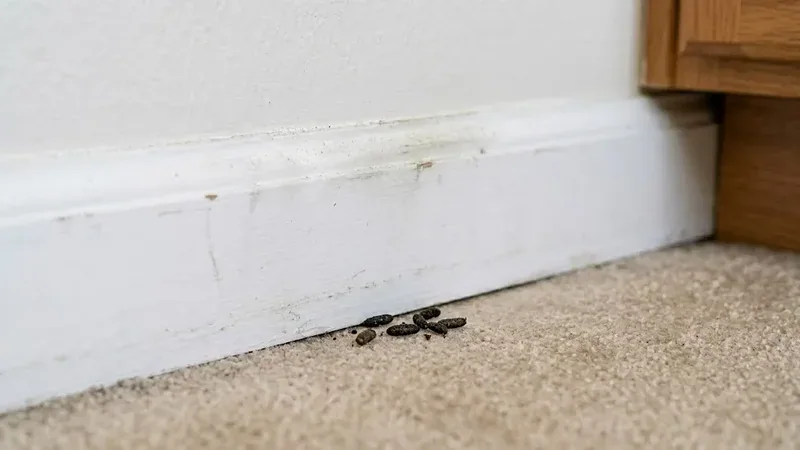
Mouse droppings look like dark grains of rice, about one eighth to one quarter inch long. A single cluster means a visitor. Droppings in the pantry, under the sink, and along the garage wall mean the colony has expanded. Droppings can vary in appearance with age and conditions, so colour or texture alone is not a reliable way to date them. Do not touch or crush droppings to check.
2. The Pile Gets Bigger Overnight
After safely cleaning a small area using the wet-disinfection method below, check it later for new droppings without touching them. Fresh evidence suggests ongoing activity, but the amount found does not reliably tell you how many mice are present.
3. Scratching Moves From One Spot to Many
Repeated noises in different parts of the home may indicate activity along more than one route. Sounds alone cannot confirm mice; note where and when they occur and look for other evidence. Mice are often active after dark.
4. You See a Mouse in Daylight
Mice avoid people. A daytime sighting often means the nest is crowded, food competition is high, or the mice have lost their fear because the home feels safe. Treat a daytime mouse as a warning of a large population.
5. A Musty or Ammonia Smell Grows Stronger
Mouse urine produces a sharp, musky odor. A faint smell in a closed cabinet is an early clue. A smell you notice in an open room tells you that urine has built up in several places. A sudden rotten smell can mean a mouse died inside a wall.
6. Greasy Runways Darken
Mice follow the same path along walls and baseboards. Their fur leaves greasy smudges that darken as traffic increases. Dark, shiny trails show heavy, repeated use.
7. Gnaw Marks Show Up on Wiring, Pipes, or Wood
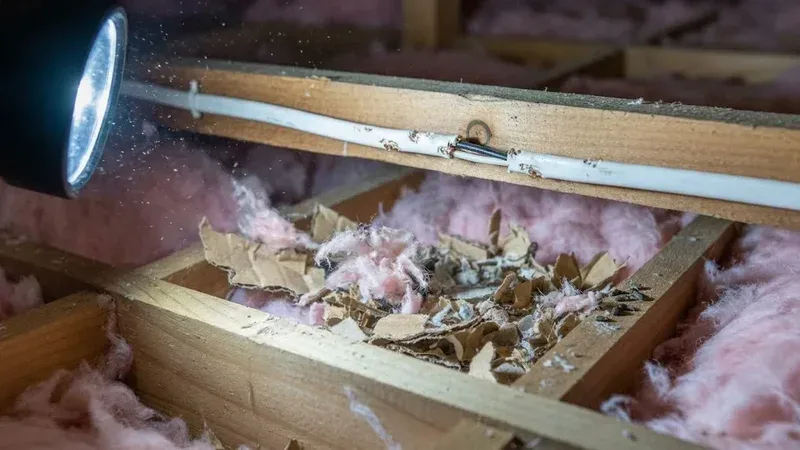
Mice chew to keep their teeth short. UC researchers note that many fires of unknown origin may come from mice gnawing on electrical wires. Fresh gnaw marks look pale and clean. Chewed wires deserve a same-day call.
8. You Find Nests
Mice shred paper, fabric, and insulation to build soft nests. Finding one nest means a female has chosen your home for raising young. Finding several nests means multiple females live there.
9. Pets Act Strangely
Dogs and cats often pinpoint mice before you do. If your pet stares at a wall, paws at the stove, or sniffs the same spot every night, mice are probably active there.
10. Traps Keep Catching Mice, or Stop Working
Catching one mouse after another means a large population is feeding nearby. Catching nothing while droppings keep appearing means the mice avoid your traps or live somewhere you have not checked. Both results mean you need a better plan.
Why a Small Mouse Problem Grows So Fast
Mice multiply quickly, and your home gives them everything they need. UC IPM notes that house mice reproduce year-round, and that a female can have many litters in a single year. A mouse reaches breeding age within weeks, so the first generation starts breeding before you finish your first set of traps.
Food, Warmth, and Shelter Fuel Growth
California homes offer mild weather but cool nights, and mice head indoors for warmth and easy meals. Pet food bowls, open pantry bags, fruit on the counter, and crumbs under appliances all feed a colony. Mice eat a surprisingly large amount for their size, and they contaminate far more food than they eat.
Hidden Space Protects the Colony
Wall voids, attic insulation, and the space behind the refrigerator give mice quiet, dark shelter. A mouse can squeeze through a gap about the size of a dime. Because you cannot see inside those spaces, the colony grows unnoticed.
Timing Matters More Than Most People Expect
In our experience, homeowners often lose two to four weeks deciding whether the problem is real. During that window, a nest can produce a new litter. That is why early action matters. A response in week one often needs a few traps and some sealing. A response in week six often needs a full exclusion and cleanup.
Week 1
A few droppings and one entry point. Traps and sealing usually work well.
Weeks 2 to 4
Mice find the nest site, and the first litter may arrive. Signs appear in more rooms.
Week 5 and beyond
Young mice mature and breed. The colony spreads into walls, the attic, and the garage.
Where a Worsening Infestation Spreads in Your Home
A mouse problem rarely stays in one room. Check the areas below in order. They show where mice move as the population grows.
Kitchen and Pantry
Look behind the stove and refrigerator, inside lower cabinets, and around the dishwasher pipe openings. Mice love the heat that appliances give off. Check the back corners of drawers and the edges of bagged foods.
Attic and Ceiling Spaces
Attics hold insulation that mice shred for nests. Look for tunnels in the insulation, scattered droppings along beams, and gnawed wire coverings. Roof rats also use attics in many California neighborhoods, so confirm which rodent you have.
Garage, Basement, and Crawl Space
Mice use stored boxes, holiday decorations, and old clothes as nesting material. Check cardboard bins, pet food storage, and the gaps around garage doors and utility lines.
Wall Voids and Vehicles
Mice travel inside walls along pipes and wires. They also nest in parked cars, especially engine compartments and air filter boxes. Chewed car wiring and droppings near the air intake signal a growing problem.

How to Check Whether Your Infestation Is Growing
Use these steps to document what you can observe; this is not a validated infestation score. Avoid disturbing droppings or nesting material. Never sweep or vacuum them dry.
Map every sign
Walk through each room with a flashlight. Note droppings, gnaw marks, grease marks, nests, and odors. Write down the room and the date.
Count the hot spots
Signs limited to one room may indicate activity near that area, while signs in several rooms suggest mice may be travelling through more of the home. Room count alone cannot determine how many mice are present.
Record signs without disturbing them
Skip loose flour or powder tracking around suspected contamination. Instead, record the location of visible signs from a safe distance and check for new evidence after the area has been cleaned safely.
Listen at night
Sit quietly in the evening and listen near ceilings and walls. Note how many areas make noise.
Check food and pet supplies
Look for chewed packaging and droppings near stored food. Move pet food into sealed metal or hard plastic containers.
Rate the result
There is no validated point threshold that can tell you whether an infestation is mild or severe. Use this checklist to record patterns, not to diagnose the size of an infestation. Seek an inspection if signs recur, appear in several areas, or include nests, strong odours, or property damage.

Not sure how to rate what you found? Describe your signs to a PestPunt specialist at (888) 217-6759 and get a clear next step.
What to Do Tonight When Mouse Signs Keep Growing
These steps can reduce food access and help you respond safely while you decide whether professional inspection is needed.
Remove food access
Store dry food in glass, metal, or thick plastic containers. Pick up pet bowls at night. Wipe crumbs and spills.
Set snap traps correctly
Place traps against walls with the trigger end touching the baseboard. Set several along each runway. UC IPM recommends snap traps for homes.
Bait traps carefully
Use a pea-sized amount of peanut butter or a small piece of soft food. Do not use too much, because mice may lick it without triggering the trap.
Seal obvious gaps
Stuff small holes with copper mesh and seal them with caulk. Close gaps around pipes and install door sweeps.
Clean safely
Put on rubber or plastic gloves. Do not sweep or vacuum droppings. Thoroughly wet the droppings and nearby contaminated area with an appropriate disinfectant, following the product label; allow the stated contact time, then wipe up with paper towels. Follow current public-health guidance, and seek professional help for heavy contamination or enclosed areas.
Call for an inspection
Consider a professional inspection when signs keep returning, appear in multiple areas, or include nests, strong odours, or damage. Chewed electrical wiring should be assessed promptly by a qualified professional.
The CDC explains that stirring up dry urine, droppings, or nesting material can send virus particles into the air. Use the wet cleaning method described in the CDC hantavirus prevention guidance.

When DIY Mouse Control Stops Working
DIY traps work well against a few mice. They struggle against a growing colony. Compare the situations below to decide whether to keep going alone.
| Situation | DIY may work | Call a professional |
|---|---|---|
| Number of signs | One or two signs in one room | Signs in three or more rooms |
| Trap results | You catch one mouse, then nothing for a week | You keep catching mice for more than a week |
| Noise | Brief sounds that stop | Nightly sounds in walls or attic |
| Damage | Chewed packaging only | Chewed wiring, insulation, or structural wood |
| Odor | No smell | Strong urine smell or dead mouse odor |
| Entry points | You can find and reach them | Entry points sit on the roof or inside walls |
Trapping removes mice that already live inside. It does not stop new mice from entering. UC IPM calls exclusion, which means sealing the entry points, the most successful and permanent form of house mouse control. A professional finds the gaps that most homeowners miss, such as roofline gaps, utility penetrations, and foundation vents.
Health and Property Risks of a Growing Infestation
Mouse activity can contaminate food-contact surfaces and stored food, and gnawing can damage property. Take extra care in homes with children, pets, or people who may be sensitive to dust or allergens.
Health risks
- Mouse urine and dander can trigger allergies and asthma, and UC IPM links urinary proteins to early asthma in sensitive children.
- Droppings contaminate food, dishes, and counters.
- Disturbing rodent urine, droppings, or nesting material can expose people to harmful particles. Avoid stirring up dust and follow current CDC cleanup guidance; extensive contamination may require trained help.
Property risks
- Gnawed wiring can cause shorts and fires.
- Shredded insulation reduces energy efficiency.
- Urine stains and odors soak into drywall and wood.
- Chewed pipes and packaging create repair and replacement costs.
If a family member develops fever, severe muscle aches, or trouble breathing after rodent exposure, contact a doctor and mention the exposure.
What Professional Mouse Control Looks Like
Knowing what to expect helps you decide with confidence. A professional assessment should explain the evidence found, likely entry points, control options, exclusion work, cleanup needs, and how follow-up will be handled.
1. Inspect
The technician checks the exterior, attic, garage, kitchen, and crawl space. They trace droppings and rub marks to the entry points.
2. Remove and exclude
The provider explains suitable control options and addresses entry points where feasible. Trapping without reducing access to food and closing entry routes may not prevent activity from returning.
3. Clean and follow up
Where needed, the provider explains safe cleanup or remediation options and arranges follow-up to check whether activity has stopped.
Questions to Ask Any Provider
- Will you inspect the whole property, including the roofline and attic?
- How will you seal entry points, and with which materials?
- Do you explain trap and bait placement, and keep bait away from pets and children?
- What follow-up do you provide after the first visit?
- Can you also handle cleanup of droppings and nesting material?
PestPunt sends field representatives directly to your property, so you do not need to visit an office. Call (888) 217-6759 and describe what you see.
Why Mouse Problems Escalate in California Homes
Mouse activity can occur throughout the year in California. Entry points vary by property and may include gaps around utility lines, doors, roof edges, vents, garages, and foundations. Older buildings, stored items, accessible food, and sheltered voids can make signs harder to spot.
Common Local Patterns
- Hillside neighborhoods: Brush, ivy, and retaining walls give mice cover next to the foundation.
- Multi-unit buildings: Shared walls and pipe chases let mice travel between units, so one neighbor's problem becomes yours.
- Homes with fruit trees and gardens: Fallen fruit and bird feeders draw rodents close to the house.
- Older houses: Worn weatherstripping, vent screens, and utility gaps create easy entry.
Los Angeles residents in older neighborhoods can read how we approach local rodent calls on our Highland Park rodent exterminator page. PestPunt serves California statewide, and our field representatives travel to your door.
Mouse or Rat?
Mice leave droppings about one quarter inch long. Rats leave larger droppings and make heavier sounds. Roof rats also nest in California attics. The right plan depends on the species, so a proper identification matters.
When to Call a Professional Right Away
Call the same day if you notice any of the following:
- You find nests or hear sounds in several areas
- You see mice during the day
- Wires look chewed, or lights flicker
- A strong urine smell or dead mouse odor fills a room
- Traps keep catching mice for more than a week
- Someone in your home has asthma, allergies, or a weak immune system
- You run a restaurant, rental, daycare, or other business
Waiting rarely lowers the cost. Each week gives mice more time to breed, spread, and cause damage.
Mice getting worse at your property? Call (888) 217-6759 any time. Dispatch runs 24/7.
How to Stop Mice From Coming Back
Once the colony is gone, protect your home from the next group. Follow this checklist each season.
- Seal gaps larger than a dime, using steel wool, copper mesh, or metal flashing, plus caulk.
- Install tight door sweeps on exterior and garage doors.
- Screen vents and repair roofline gaps.
- Store food, pet food, and birdseed in sealed containers.
- Reduce clutter in garages, closets, and attics.
- Trim vegetation back from the foundation and keep woodpiles away from walls.
- Keep trash bins lidded and away from the house.
- Check traps or monitoring stations every few weeks.
A quarterly walk around the exterior takes ten minutes and catches new gaps early.
Common Mistakes That Let Mouse Problems Grow
Waiting to see a mouse
Mice hide. Droppings and noises already tell you the problem exists.
Using too few traps
One trap per room rarely works. Place several along each runway.
Skipping the entry points
Trapping without sealing invites new mice to replace the old ones.
Dry sweeping droppings
Dry cleaning stirs up dust. Wet the area first and wipe it up.
Moving traps too often
Mice avoid new objects at first. Leave traps in place for several days.
Ignoring neighbors
In shared buildings, mice move between units. Tell your landlord early.
Frequently Asked Questions About a Worsening Mouse Infestation
Look for droppings in new rooms, noises in more than one area, stronger urine odor, greasy runways, nests, and daytime sightings. Fresh droppings that reappear within a day also show active travel. If signs recur, appear in several areas, or include nests, strong odours, or damage, consider arranging a professional inspection.
House mice can reproduce quickly when food and shelter are available. The rate varies with conditions, so a single number cannot predict how quickly a particular home’s problem will grow. For species-specific background, see the University of California Statewide Integrated Pest Management Program’s house mouse guidance.
Not necessarily. A mouse may be seen during the day for several reasons, and one sighting does not prove a severe infestation. Check for repeated sightings, fresh droppings, nesting material, and activity in other areas.
Mice gnaw on wiring, and UC researchers note that many fires of unknown origin may result from mice chewing electrical wires. If you find chewed wires or notice flickering lights, call a licensed electrician and a pest professional the same day.
You can clean small amounts safely if you follow CDC steps. Wear gloves, spray droppings with disinfectant, wait five minutes, and wipe them up with paper towels. Never sweep or vacuum dry droppings. For heavy infestations, nests, or attics, ask a professional to handle the cleanup.
New mice keep entering if entry points stay open. Trapping removes the mice inside, but only sealing gaps stops replacements. UC IPM calls exclusion the most successful and permanent method of house mouse control. A professional inspection finds the gaps you may have missed.
Call the same day if you find nests, hear sounds in several areas, see chewed wiring, smell strong urine odor, or keep catching mice for more than a week. Call immediately if you run a business or someone in your home has asthma or a weak immune system.
PestPunt serves California statewide. We operate as a Service Area Business, so our field representatives travel directly to your property and you do not visit an office. Call (888) 217-6759 any time to describe your mouse problem and arrange on-site help.
Final Takeaways
A worsening mouse problem may show up as fresh droppings in new places, repeated noises, stronger odours, nesting material, or new damage. Reduce food access, document the signs, address entry gaps safely, and clean contaminated areas using current public-health guidance.
If the signs spread to three or more areas, do not wait. Call (888) 217-6759 and let a PestPunt specialist inspect, remove, and seal the problem for good.
Mobile Rodent Control Services
Stop a Growing Mouse Infestation Before It Spreads
Call (888) 217-6759 to reach PestPunt 24/7. Our California field representatives come to your property.