How Long Do Rats Live Indoors vs Outdoors? A 2026 California Lifespan Guide
A wild rat's life expectancy depends almost entirely on where it lives. An indoor rat, sheltered inside a wall void or attic, typically survives 12 to 24 months. An outdoor rat, exposed to predators and weather, usually lasts only 4 to 12 months. This guide breaks down the biology and behavior behind that gap.
The Quick Answer: Indoor vs Outdoor Rat Lifespan
Summary: A wild rat's life expectancy depends almost entirely on where it lives. An indoor rat, sheltered inside a wall void or attic, typically survives 12 to 24 months. An outdoor rat, exposed to predators and weather, usually lasts only 4 to 12 months. This gap explains why a rat problem that starts outdoors often escalates once the colony finds a way inside a structure: the same animals suddenly gain a much longer runway to reproduce and cause damage.
Key takeaway: Indoor shelter and steady food access are the two biggest reasons captive-environment rats outlive their outdoor counterparts.
Both the Norway rat and the roof rat share a similar biological ceiling of around three years in a fully protected setting, such as a laboratory. In the real world, almost no wild rat gets close to that number. Environment, not biology, sets the practical limit.
| Environment | Typical Lifespan | Primary Cause of Death |
|---|---|---|
| Indoors (attic, wall void, crawl space) | 12–24 months | Trapping, disease, old age, secondary poisoning |
| Outdoors (yard, alley, field) | 4–12 months | Predation, vehicle strikes, weather exposure |
| Sewer or storm drain systems | 10–18 months | Flooding, disease, predation from other rats |
Juvenile mortality is the biggest hidden factor behind both averages. Most rat pups never reach adulthood; predators, siblings, and environmental hazards kill the majority before they are old enough to breed. The lifespan figures above describe rats that survive past the first few weeks, not every rat born into a colony.
Why Indoor Rats Outlive Outdoor Rats
Steady Food and Water Access
A rat living inside a kitchen wall or near a pantry rarely goes more than a few hours without food. Consistent nutrition supports a stronger immune system, faster wound healing, and a body condition that tolerates disease better than a malnourished outdoor rat. Reliable water, whether from a leaking pipe or a pet bowl, removes one of the most common outdoor killers: dehydration during hot, dry stretches.
Fewer Predators Behind Your Walls
Owls, hawks, foxes, coyotes, snakes, and outdoor cats all hunt rats, but almost none of them can reach a rat once it is behind drywall or above a ceiling. Removing predation from the equation is the single largest reason indoor lifespans run longer.
Stable Temperatures Extend Survival
Attics and wall cavities buffer against both summer heat spikes and winter cold snaps. Rats regulate body temperature poorly compared to larger mammals, and a structure's insulation does much of that regulating work for them, cutting down on heat stress and hypothermia deaths.
Reduced Exposure to Vehicles and Poison Bait
Vehicle strikes are a leading outdoor mortality cause in suburban and urban California neighborhoods. Indoor rats rarely cross roads. They also encounter fewer outdoor bait stations, though indoor rodenticide use inside a structure introduces a different mortality risk entirely.
Why Outdoor Rats Have Shorter Lifespans
Predation From Owls, Hawks, Cats, and Coyotes
Outdoor rats spend most of their active hours foraging in the open, which is exactly when raptors and ground predators hunt. A young or inexperienced rat is especially vulnerable during its first few nights outside the nest.
Weather Extremes and Exposure
California's inland valleys swing from freezing winter nights to triple-digit summer days. Burrow systems help, but flooding, sudden freezes, and extended heat waves still kill outdoor rats that cannot retreat to a stable microclimate.
Competition Within Colonies
Outdoor colonies often grow faster than the local food supply, forcing weaker or younger rats to forage in riskier locations. That competition drives higher mortality even before predators or weather come into play.
Traffic and Human Interventions
Roads, foot traffic, landscaping work, and active pest control programs all remove outdoor rats at a higher rate than indoor populations, which stay hidden and undisturbed for longer stretches.
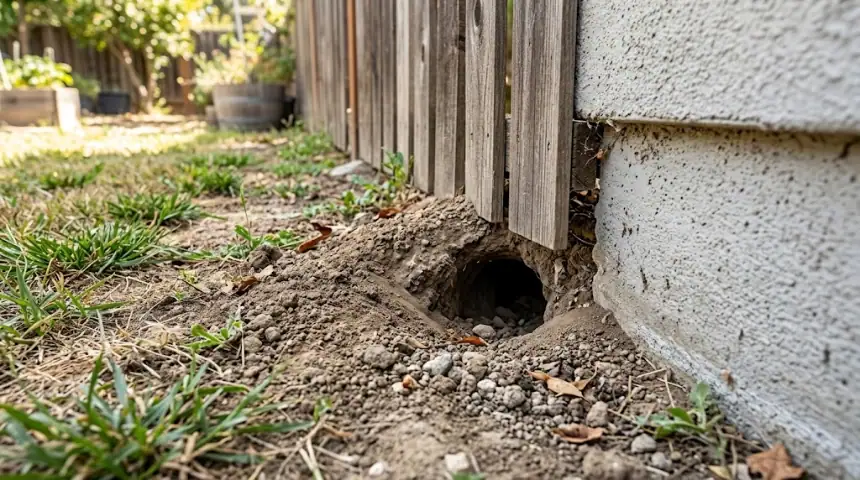
Does the Rat Species Change the Lifespan Equation?
California properties most often deal with two species: the Norway rat and the roof rat. According to University of California Statewide IPM Program guidance, Norway rats are the stockier burrowing species, typically found at ground level and in basements, while roof rats are slimmer climbers that favor attics, palm trees, and dense shrubbery.
Lifespan differences between the two species are minor when environment is held constant. The bigger practical difference is where each species nests, which changes how quickly a homeowner notices the infestation. Roof rats nesting in an attic can go undetected for months, effectively extending their functional lifespan within your structure simply because no one intervenes. If you are trying to determine which species you are dealing with before bringing in help, our rodent identification and control services page walks through the physical differences field technicians use.
What Field Experience Reveals About Rat Longevity
One pattern shows up repeatedly during on-site inspections: homeowners frequently overestimate how long a visible rat has been present, because they misidentify a young adult rat as a fully grown one. A juvenile rat, four to six weeks old, already has a body length close to a mouse but a disproportionately large head and feet. Applying a simple tail-to-body ratio test in the field, comparing tail length against head-and-body length, quickly separates a young rat from an adult mouse or vole, which matters because a "small rat" sighting is often actually a sign of an active breeding nest nearby rather than an isolated, aging animal near the end of its life.
This distinction changes the response. A single aging rat calls for monitoring. A juvenile rat calls for locating and disrupting an active nest before the litter matures and disperses.
Field note: If you can see whiskers that appear proportionally long against the head, and feet that look oversized for the body, you are very likely looking at a juvenile from an active litter, not an isolated adult.
The Reproduction Multiplier: Why Lifespan Isn't the Real Risk
A short outdoor lifespan sounds reassuring, but it rarely translates into fewer rats. A female rat reaches sexual maturity within two to three months and can produce a new litter every three to four weeks under favorable conditions, with litter sizes commonly in the range of six to twelve pups. A colony replaces individual losses from predation or weather far faster than natural mortality reduces the population.
This is why an infestation left unaddressed for a season, even outdoors, tends to grow rather than resolve on its own. The relevant question is not "how long will this rat live," but "how quickly is this colony replacing itself," and that number is almost always higher than property owners expect.
California Climate and Rat Survival in 2026
California's mix of mild coastal winters and hot, dry inland summers lets rats stay active outdoors nearly year-round across most of the state, unlike colder regions where winter substantially thins outdoor populations. Extended drought conditions and heat waves push rats toward irrigated landscaping, pet water bowls, and structures with reliable moisture, often increasing the rate at which outdoor colonies attempt to move indoors. Coastal fog belts and Central Valley heat corridors each create slightly different pressure points, but the underlying trend across the state points the same direction: fewer natural die-offs, more indoor-seeking behavior.
The CDC's rodent control guidance notes that eliminating food, water, and shelter access remains the most effective way to prevent both outdoor colonies from growing and indoor migration from succeeding, regardless of regional climate.
How to Tell If You Have an Aging Colony or a Growing One
| Signal | Likely Meaning |
|---|---|
| Mostly adult-sized rats, infrequent sightings | Small, possibly aging outdoor population |
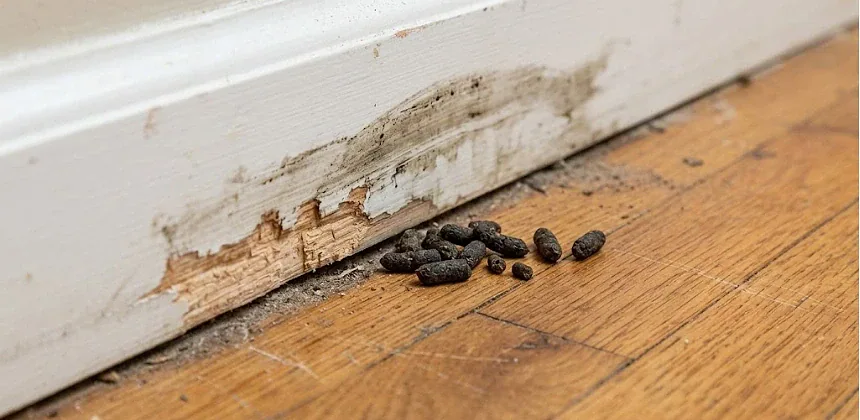
| Small rats or fresh droppings clustered in one area | Active nest with a recent litter |
| Gnaw marks appearing on new surfaces | Colony expanding its territory in search of food |
| Sightings shifting from yard to interior walls | Outdoor colony attempting indoor migration |
| Grease marks along baseboards or beams | Established, repeatedly used travel path, sign of a mature colony |
Why Lifespan Data Should Shape Your Rodent Control Strategy
Because outdoor rats die off relatively quickly on their own, some property owners assume the problem will self-correct. Reproduction rates make that assumption unreliable in practice. Because indoor rats survive far longer once established, delaying action after the first sighting gives a colony more time to breed undisturbed inside your walls, attic, or crawl space.
The practical takeaway: treat any confirmed indoor rat sighting as time-sensitive, since every additional week indoors is a week the colony is not losing members to predators or weather the way an outdoor colony would. If you are dealing with an active situation right now in the Los Angeles area, see our rapid rodent response coverage for Los Angeles. San Diego-area property owners can review emergency rodent removal options for San Diego. For guidance on safe rodenticide use if you are managing a smaller situation yourself, the EPA's bait product safety guidance is a useful reference before purchasing anything.
Common Questions About Rat Lifespan
A rat living inside a heated structure, such as an attic, wall void, or crawl space, typically survives 12 to 24 months, and occasionally longer when food and water stay reliably available and predators cannot reach it.
An outdoor rat usually survives 4 to 12 months. Predation, weather exposure, vehicle strikes, and competition for food shorten its life considerably compared to an indoor rat.
Wall voids and attics offer similar protection from predators and weather, so lifespan differences between the two are minor. The bigger factor is proximity to a reliable food source such as a kitchen or garbage area.
Owls, hawks, cats, coyotes, and snakes actively hunt outdoor rats, and temperature swings, flooding, and vehicle traffic add further mortality that indoor rats rarely face.
No. A female rat can produce several litters a year, so a colony replaces individual losses faster than natural mortality removes them. Lifespan has little bearing on whether an infestation grows or shrinks.
Mild coastal winters and hot inland summers let California rats stay active outdoors year-round in many regions, while drought and heat waves push more rats toward irrigated yards and structures, often increasing indoor encounters.
PestPunt Service Area Coverage
- Service Area (California Statewide): Providing 100% on-site mobile services directly to your property.
- As a Service Area Business (SAB), PestPunt does not have physical office visits. Our local expert field representatives are dispatched directly to your location anywhere in California.
- 24/7 Dispatch Phone: (888) 217-6759
- Email: [email protected]
- See where we currently dispatch on our service locations page, or browse the full list of rodent and pest services we provide.
California Mobile Rat Control Services
Get a Professional Assessment Today
Understanding rat lifespan is the first step. Taking action is the second. Contact our team at (888) 217-6759 to schedule a full property assessment and get a tailored plan to eliminate rats and keep them from returning.