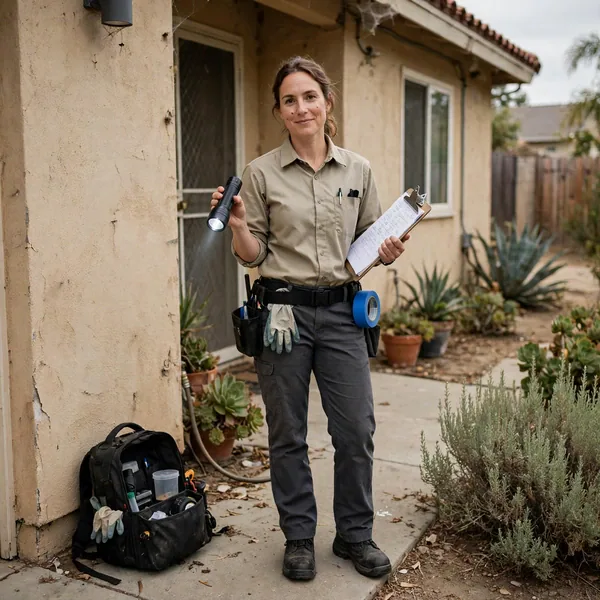
Home Rodent Proofing: Five Layers of Protection Against Rats and Mice
A single sealed gap rarely keeps rodents out for long. PestPunt proofs your whole home, from the roofline to the garage to the yard, and explains the daily habits that keep rats and mice away.
Home Rodent Proofing — At a Glance
What it covers: Roofline, walls, utilities, foundation, garage, interior and yard.
Why layers: Rodents test every route, so one fix is not enough.
What you do: Store food, trim trees and check seals each season.
Next step: Call (888) 217-6759 for on-site dispatch.
What Home Rodent Proofing Means
Home rodent proofing protects the whole house, not one hole. It combines inspection, repair, sealing and habit changes so that rats and mice find no easy way in and no reason to stay. A single sealed gap helps for a while. A proofed home keeps working for years.
Think of proofing as layers. The outer layer covers the roofline and the trees. The next layer covers the walls, vents and utility lines. The third layer covers the foundation and the garage. The inner layer covers kitchens, closets and storage. The last layer covers the yard and your daily habits.
PestPunt sends a field representative to your Los Angeles home to build those layers with you. We do not run a walk-in office. We work at your property, explain each layer in plain words and tell you which steps you can handle yourself.
How Proofing Connects to Other Services
Proofing uses the same building blocks as our other services. A rodent entry point inspection finds the openings. Repair restores damaged parts. Sealing closes the gaps. Home rodent proofing ties them together and adds prevention. Our rodent exclusion services page shows the full path from first call to final recheck.
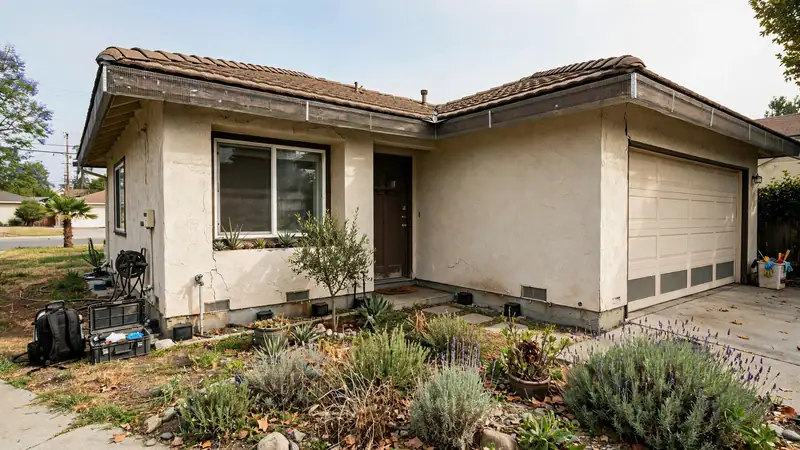
Where This Page Fits Among Our Proofing Guides
This page explains whole-house proofing. For species-specific details, read our guide to mouse proofing in Los Angeles and our guide to rodent and rat proofing in Los Angeles.
The Five Layers of a Proofed Home
Each layer blocks a different route. Together they close the building to rodents.
1. Roofline and trees
We screen vents, check eaves and tile ends, and advise on branch and palm trimming so roof rats lose their bridge.
2. Walls and utilities
We seal pipe, cable and AC line gaps, check stucco cracks and cover dryer vents.
3. Foundation and crawl space
We screen foundation vents, check access doors and look for burrow entrances.
4. Garage and doors
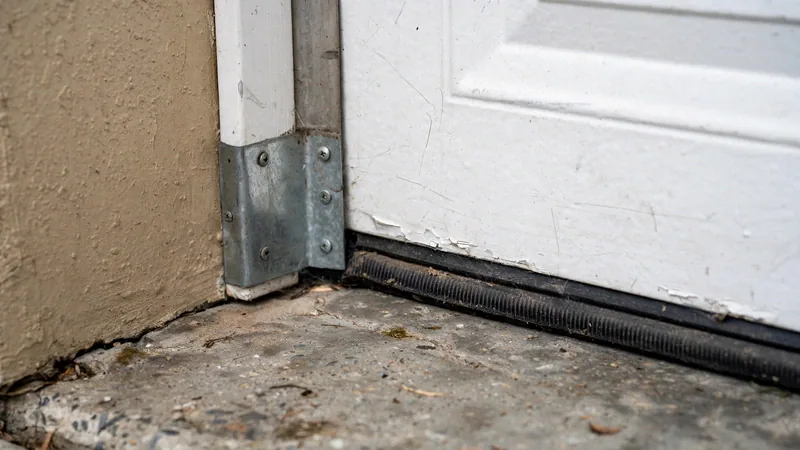
We replace worn seals and sweeps and check door corners, since mice use them often.
5. Interior
We check under sinks, behind appliances and in closets, and advise on food storage.
6. Yard and habits
We advise on trash lids, pet food, fruit trees, firewood and clutter.
Where Rodents Enter, Room by Room
The table below shows the usual weak points in each area of a home, and the fix that works.
| Area | Common weak point | Rodent-proof fix |
|---|---|---|
| Attic | Vents with torn screens, gaps at the eave | Hardware cloth over vents, metal at the eave |
| Roofline | Open tile ends, branches touching the roof | Closure pieces, trimmed trees |
| Kitchen | Gap around supply pipes under the sink | Copper mesh, sealant and a metal collar |
| Bathroom | Plumbing access panels and pipe gaps | Sealed collars and fitted panels |
| Garage | Door corners and the bottom seal | New seals and corner guards |
| Laundry area | Dryer vent and utility lines | Metal vent cover with a damper |
| Crawl space | Corroded vent screens, warped door | Hardware cloth and a rehung door |
| Yard | Open trash bins, fallen fruit, pet food | Tight lids, daily cleanup, sealed storage |
The CDC teaches homeowners to seal up, trap up and clean up. You can read more on the CDC rodent control pages.
Proofing for Roof Rats, Norway Rats and Mice
Each animal uses your home differently, so proofing adapts to the species.
Roof rats
Roof rats climb and nest high. Proofing focuses on rooflines, vents, wires and trees. The most effective step often happens outside the building: removing branches and ladders of vegetation that touch the roof.
Norway rats
Norway rats burrow and nest low. Proofing focuses on foundation cracks, drain lines, slabs and ground-level vents. Filling burrows and repairing cracks prevents re-entry.
House mice
House mice use very small gaps and live inside walls and garages. Proofing focuses on door corners, pipes and cabinet backs. UC IPM advises sealing gaps larger than ¼ inch.
Not sure which animal you have? Read our guide to the roof rat and Norway rat or call us to identify the species on-site.
How PestPunt Proofs a Home
Six steps cover a typical home. Larger properties may take longer.
Call and share your goals
Call (888) 217-6759. Tell us whether you have active rodents or want to prevent them.
Dispatch a field representative
The representative arrives at your property with materials and tools for roof, wall and ground-level work.
Inspect all five layers
We check the roofline, walls, foundation, garage, interior and yard.
Agree on a plan
You see each weak point and decide the order of work. We tell you which items need other trades.
Proof the building
The crew screens vents, seals gaps, repairs damaged parts and installs door seals.
Review and set a recheck
We walk the finished work with you and explain what to monitor.
Daily Habits That Keep a Proofed Home Proofed
Materials close the building. Habits remove the reason to come back.
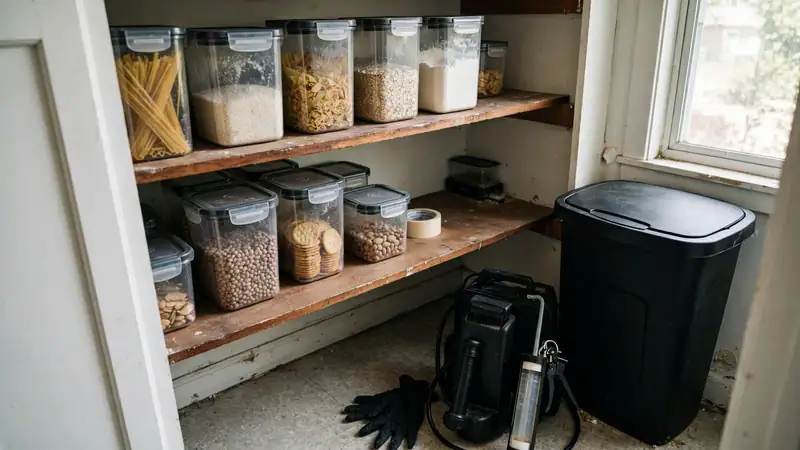
Store food in tight containers
The CDC advises keeping food in thick plastic or metal containers with tight lids.
Use tight trash and compost lids
UC IPM recommends tight-fitting lids on garbage cans and compost containers.
Pick up fallen fruit
Lemon, orange, avocado and persimmon trees feed roof rats when fruit lies on the ground.
Keep pet food indoors overnight
Pet bowls and bird seed attract rodents after dark.
Thin vegetation near walls
Trim shrubs and ivy so the wall stays visible. UC IPM advises thinning vegetation between shrubs and buildings.
Check the home each season
Look at the garage seal, vent screens and roofline at least twice a year.
The UC Statewide IPM winter pest article covers these habits in more detail.
A Seasonal Rodent-Proofing Calendar for Los Angeles
Los Angeles has a mild climate, so rodents stay active year-round. Still, the seasons change what you should check.
| Season | Check | Why it matters |
|---|---|---|
| Spring | Trim trees and palms, check vent screens | New growth reaches the roof and rooflines |
| Summer | Inspect the garage seal, clean up fallen fruit | Heat hardens rubber seals and ripe fruit attracts rats |
| Fall | Seal gaps before cooler weather | Rodents seek warmth as nights cool |
| Winter | Check the attic for sounds and droppings after storms | Rain and wind loosen vents and flashing |
Add a quick walk-around after any roof, plumbing or landscaping work. Contractors sometimes leave new gaps behind.
A 30-Minute Weekend Check You Can Do Today
You do not need special tools to start. A short walk around your home shows many of the weak points that rodents use. Take a flashlight, a pencil and gloves.
- Walk the outside. Look at the base of each wall, the vents and the places where pipes and wires enter. Note any gap you can slide a pencil into.
- Look up. Check whether branches, palm fronds or wires touch the roof or the eave.
- Check the garage. Close the door and look for light at the corners and the bottom edge.
- Open the cabinets. Look at the back wall under the kitchen and bathroom sinks for gaps around pipes and for droppings.
- Look behind appliances. Check around the water heater, the dryer and the refrigerator for droppings and grease marks.
- Check storage. Look through boxes in the garage and closets for shredded paper and fabric.
Write down what you find and take photos. When you call PestPunt, share the notes. They help our field representative plan the visit. If you find fresh droppings or a nest, wear gloves and a respirator, wet the area with disinfectant and avoid sweeping or vacuuming dry material. The CDC rodent control guidance explains safe habits around rodents.
Rodent Proofing for Renters, Landlords and HOAs
Ownership changes who decides, but the building problem stays the same. Rodents do not care who holds the lease.
If You Rent
Tell your landlord or property manager in writing when you see droppings, hear noises or find gnawed material. Keep photos and dates. Food storage, trash habits and clutter are your part of the work. Exterior sealing, roof repair and structural work usually fall to the owner.
If You Own a Rental
Schedule an inspection between tenants and after any major repair. Document the findings and the repairs. Tenants report problems sooner when they know you respond quickly.
If You Live in a Condo or HOA Community
Shared walls, trash rooms and landscaping create shared problems. Ask the board to inspect common areas and to trim trees near the roofline. A single unit can only protect itself so far, because rodents travel through shared wall voids.
PestPunt works with homeowners, landlords and property managers. Tell us who must approve the work when you call, and we will plan the visit with them in mind.
Proofing Different Types of Los Angeles Homes
Single-family homes with yards
Yards bring fruit trees, fences and shrubs. Roof rats use fences and branches to reach the roof. We focus on the roofline and the trees.
Condos and townhomes
Shared walls and common trash areas bring rodents between units. We check your unit and advise on shared areas for your HOA.
Hillside homes
Slopes, retaining walls and ivy give rodents cover. We check the foundation, the slope drainage and the plants against the walls.
Homes with ADUs and garage conversions
Added utility lines and seams between old and new walls leave gaps. We check every seam.
For active attic problems, read about our attic rodent solutions. For fast response, see our 24/7 Los Angeles rodent service.
What Home Rodent Proofing Cannot Do
Proofing reduces risk. It does not make a building absolutely rodent-proof forever. Honest providers explain the limits.
- It does not remove rodents already inside. Trapping handles them.
- It does not clean droppings or replace insulation. Cleanup is a separate step.
- It does not replace roof, electrical or plumbing repairs.
- It does not stop rodents from trying. Rodents test buildings for weak points.
- It does not last without monitoring. Seals age, trees grow and buildings settle.
A yearly recheck keeps the protection current. If you see new signs, call early.
How to Tell Your Home Is Actually Proofed
A proofed home shows results you can check. Do not rely on a promise alone. Look for these signs during the first weeks after the work.
- No new droppings in the attic, garage, pantry or under the sinks
- No scratching, running or squeaking sounds at night
- No fresh grease marks along walls, pipes or beams
- Traps stay empty after the first week, as the CDC advises for confirming that rodents are gone
- No new gnaw marks on the repaired parts
- Food, pet bowls and trash stay untouched overnight
If any sign returns, call us right away. A new sign often means that rodents found a gap the first inspection could not see, or that a new gap formed. Early action keeps the fix small. We trace the new evidence, repair the weak point and update your records.
Los Angeles Neighborhoods and ZIP Codes for Home Proofing
PestPunt proofs homes across Los Angeles. The groups below show common neighborhoods and ZIP codes. Boundaries overlap, so confirm your exact address when you call.
San Fernando Valley
- Sherman Oaks (91403, 91423)
- Studio City (91604)
- Encino (91316, 91436)
- Tarzana (91356)
- Woodland Hills (91364, 91367)
- Northridge (91324, 91325)
Westside and Coastal
- Venice (90291)
- Mar Vista (90066)
- Palms (90034)
- Westwood (90024)
- Brentwood (90049)
- Pacific Palisades (90272)
Central, Hills and Harbor
- Hollywood (90028, 90038)
- Los Feliz (90027)
- Silver Lake (90026, 90039)
- Mid-City (90019, 90035)
- Westchester (90045)
- San Pedro (90731)
For the full service area, visit our locations page.
How to Choose a Home Rodent Proofing Provider
Many companies sell proofing packages. Compare the work, not the name.
- Does the provider inspect the roof, attic, foundation and yard?
- Does the plan name each material and each opening?
- Does the provider handle live rodents before the final seal?
- Does the provider explain habits and landscape changes?
- Does the provider recheck the work?
- Does the provider tell you which repairs need other trades?
Be cautious about offers that rely on repellents, ultrasonic devices or poison as the main solution. Our review of ultrasonic rodent repellents explains why they rarely solve a building problem.
Want a proofing plan for your home? Call (888) 217-6759 and a field representative will inspect your property and explain the steps.
How to Prepare for a Proofing Visit
A short list helps the visit go smoothly.
- List the sounds, droppings or smells you notice
- Clear access to the garage, attic hatch and utility closets
- Open side gates
- Tell us about pets and children's play areas
- Note recent roof, plumbing or landscaping work
- Avoid poison before the visit
Six Home Proofing Mistakes to Avoid
Proofing only the garage
Rodents use the whole building. Check the roofline and the foundation too.
Relying on foam
Rodents chew foam. Back it with metal.
Leaving trees touching the roof
Roof rats use branches as bridges. Trim them back.
Feeding rodents by accident
Open bins, pet food and fallen fruit keep rodents nearby.
Skipping seasonal checks
Seals age and new gaps form. Check at least twice a year.
Sealing with animals inside
Trap first, then close the last opening.
Frequently Asked Questions About Home Rodent Proofing
Home rodent proofing protects an entire house from rats and mice. It combines inspection, repair, sealing and habit changes across the roofline, walls, foundation, garage, interior and yard.
Exclusion focuses on sealing openings. Proofing adds prevention: landscape changes, food and trash habits and seasonal checks. The two work together, and our exclusion page explains the sealing side.
You can handle door sweeps, food storage, trash lids and tree trimming. Roofline, attic and crawl space work needs ladders and trained eyes. A wrong seal can trap animals inside walls.
UC IPM advises sealing cracks and gaps larger than ¼ inch. Use sheet metal or hardware cloth, because rodents chew through softer materials such as plastic and wood.
Yes. Roof rats climb, so we focus on rooflines, vents and trees. House mice use tiny gaps, so we focus on door corners and pipes. Norway rats burrow, so we focus on foundations.
Check at least twice a year and after any roof, plumbing or landscaping work. Seals age, trees grow and buildings settle, so a regular check keeps the protection current.
No. Trapping removes rodents already inside. Proofing prevents new ones from entering. We trap first, then seal, then clean.
PestPunt serves neighborhoods such as Sherman Oaks, Studio City, Venice, Westwood, Hollywood and Silver Lake, and our service area covers California statewide. Share your ZIP code when you call.
Final Takeaways
Home rodent proofing works in layers. The roofline, the walls, the foundation, the garage and the yard each need attention, and your daily habits decide whether rodents have a reason to return. A complete plan inspects, repairs, seals, handles live rodents first and ends with a recheck.
When your plan is ready, the next page explains rodent entry point sealing. Call PestPunt at (888) 217-6759 to schedule on-site service.
Mobile Rodent Control Services
Proof Your Home Against Rats and Mice
Call (888) 217-6759 and a PestPunt field representative will inspect your home and explain every layer.