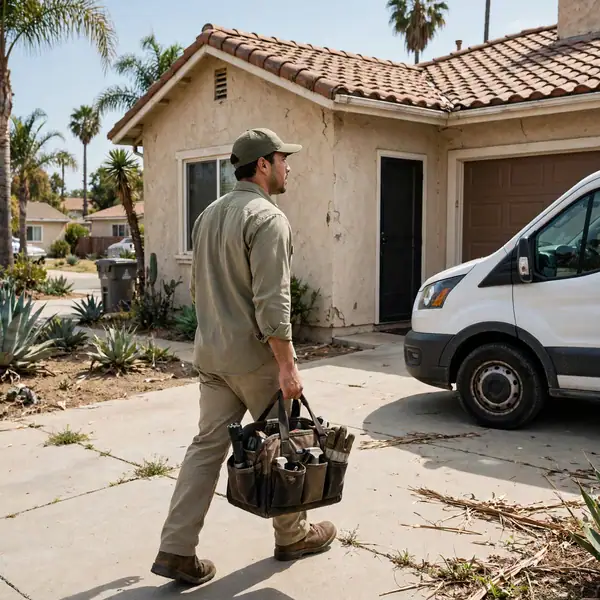
How Rodents Cause House Fires by Chewing Wires: Warning Signs and What to Do
Mice and rats gnaw on electrical wiring, and damaged insulation can lead to sparks and heat. This guide shows you the warning signs, the safe first steps, and when to call a professional before a small chewing problem becomes an electrical emergency.
Can Rodents Really Start a House Fire?
Why it happens: Rodent teeth never stop growing, so they gnaw on plastic, wood and wire insulation.
Warning signs: Flickering lights, dead outlets, burning smells, scratching in walls and fresh droppings near wiring.
Safe first step: Do not touch damaged wires. Turn off the circuit if it is safe and call a licensed electrician.
Long-term fix: Remove the rodents, seal entry points and clean up. Repairing wires alone leaves the cause in place.
How Chewed Wires Lead to House Fires
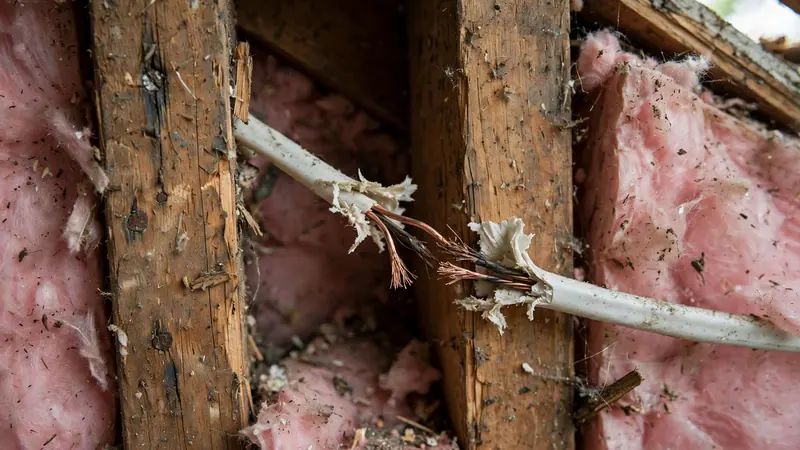
A rodent chews through the plastic or rubber jacket on a wire. The copper underneath stays exposed. Exposed conductors can touch each other, touch a metal box, or arc across a small gap. Arcing produces intense local heat. If dust, insulation, paper or dry nest material sits nearby, that heat can ignite it.
The UC IPM Rats Pest Note lists electrical fires as a hazard of rat gnawing and nest building. The UC IPM house mouse guidance also notes that house mice gnaw wires in walls and on appliance cords. Both sources describe a risk, not a certainty. Most chewed wires never start a fire. Still, no homeowner can tell which damaged wire is harmless without a proper inspection.
Three Ways Rodent Damage Creates Heat
- Exposed conductors: Stripped wire can short against another wire or a grounded surface.
- Partial chewing: A thinned conductor carries current through less metal, so it can run hot under load.
- Nests near wiring: Shredded paper and insulation add fuel close to any spark or hot spot.
Why Hidden Damage Is the Real Problem
Most rodent wire damage sits inside walls, attics and crawl spaces. You cannot see it. A fire safety problem that you cannot see keeps growing while you assume the home is fine. That is why early warning signs matter more than any single dramatic event.
Why Mice and Rats Chew on Electrical Wires
Rodent incisors grow throughout their lives. Gnawing wears the teeth down and keeps them usable. Wire insulation offers a convenient target, because it is hard enough to wear teeth and easy to reach along the edges of attics and walls.
Wires Sit Where Rodents Travel
Rodents follow edges, pipes and cables. Wiring runs through the same dark, protected routes that rodents prefer. A rat moving along an attic joist often touches several cables on every trip. Each trip gives it another chance to gnaw.
Warmth and Nesting Draw Them Closer
Rodents nest near warmth. Transformers, junction boxes, appliance motors and insulated ceiling spaces all hold heat. Nests built there bring flammable material next to the very components that can fail. This overlap explains why nest location matters as much as the chewing itself.
Roof Rats and House Mice in California
California homes see both house mice and roof rats. Roof rats climb well and use utility lines, fences and tree limbs to reach attics. House mice squeeze through gaps around a quarter inch wide and live inside walls and cabinets. Both species chew wires. Roof rats leave larger gnaw marks and often work in upper spaces, so attic wiring faces the most exposure in many neighborhoods.
Warning Signs That Rodents Have Chewed Your Wiring
Rodent wire damage rarely announces itself. Look for a pattern of small signs. Any one of them can have another cause, but several together deserve action.
Electrical Signs
- Lights that flicker, dim or buzz without a clear reason
- Outlets or switches that stop working or feel warm
- Breakers that trip repeatedly with no overload
- A burning or hot plastic smell near a wall, outlet or panel
- Appliances that shut off or restart on their own
Rodent Signs
- Scratching, scurrying or gnawing noises in walls or ceilings at night
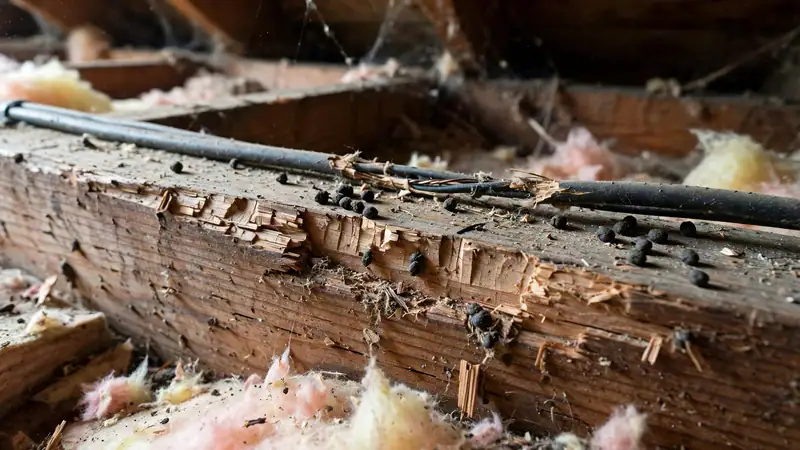
- Dark droppings along baseboards, attic joists or near the electrical panel
- Greasy rub marks on beams and pipes
- Shredded insulation or paper stuffed into corners
- Gnaw marks on cords, boxes or wood trim
What These Signs Cannot Tell You
A flickering light does not prove a rodent chewed the wire. Loose connections and aging breakers also cause it. Likewise, droppings do not prove wire damage. The signs tell you to look closer. They do not give you a diagnosis. An electrician and a rodent professional each answer one half of the question.
What to Do First When You Suspect Chewed Wires
Electricity and rodent contamination are two separate hazards. Handle them in order. Protect yourself from shock and fire first, then deal with the rodents.
Immediate Safety Steps
- Stay away from any visibly damaged wire or scorched outlet
- Switch off the affected circuit at the panel only if you can reach the panel safely and dry
- Unplug appliances on that circuit
- Keep children and pets out of the area
- Call a licensed electrician to test and repair the circuit
If you see smoke, smell burning, or notice sparking from a wall or outlet, leave the home and call 911. Do not use water on an electrical fire, and do not open walls to investigate. Fire departments and electricians handle active electrical hazards. Pest control starts after the building is safe.
Why You Should Not Open Walls Yourself
Cutting into drywall near live wiring invites shock. It also spreads rodent droppings and nesting debris into the air. Let trained people locate the damage with the right tools and the right protection.
How to Check for Rodent Wire Damage Safely
You can gather useful evidence from the outside of the problem without touching any wiring. Follow these six steps, then hand the findings to a professional.
Walk the Home and Listen
Spend a quiet five minutes in each room at night. Note where you hear scratching or gnawing. Write the location down.
Check the Electrical Panel Area
Look for droppings, shredded material and gnaw marks around the panel and nearby conduit. Do not open the panel cover.
Inspect Visible Cords
Check appliance cords in garages, kitchens and utility rooms. Look for nicks, exposed copper and bite marks. Unplug any damaged cord.
Look at Attic Edges From the Hatch
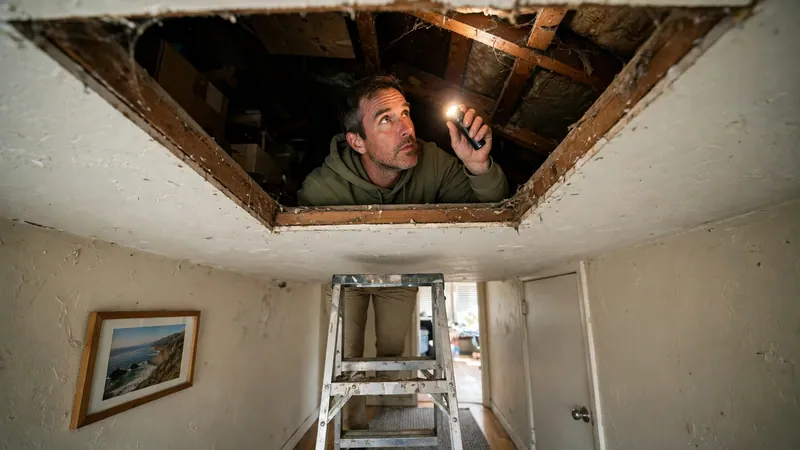
Shine a flashlight along joists and insulation. Look for droppings, runways in insulation and nests. Do not walk on bare joists or touch wires.
Map Your Evidence
Mark droppings, noises and electrical symptoms on a simple floor plan. Overlapping marks show where risk concentrates.
Book Both Professionals
Share your map with a licensed electrician and a rodent control team. Each handles a different part of the same problem.
How to Stop the Problem After the Wires Are Repaired
Replacing a chewed wire fixes the symptom. These six steps remove the cause so the damage does not return.
Confirm the Species
Droppings size, gnaw marks and nest location show whether you face house mice, roof rats or both. The method depends on the species.
Find Every Entry Point
Inspect the roofline, vents, utility penetrations, garage doors and foundation. Roof rats often enter high. Mice enter low.
Remove the Rodents
Use traps and exclusion first. Place them along walls where activity is strongest. Check them daily. Avoid loose poison, which can leave dead rodents inside walls.
Seal the Gaps
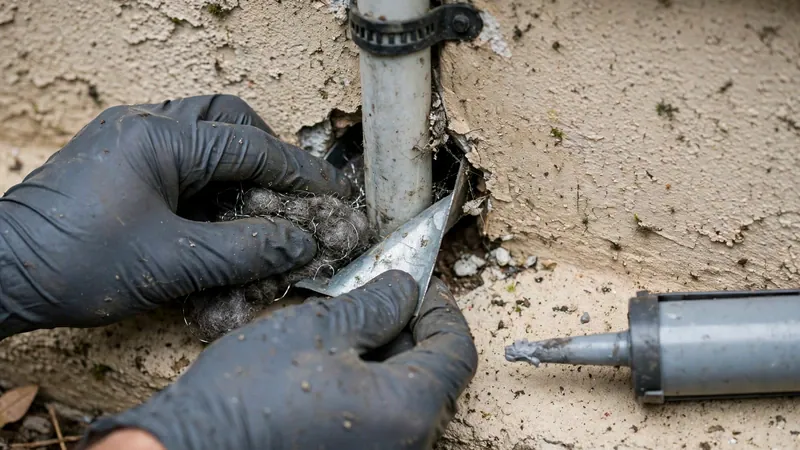
Use steel wool with sealant, metal flashing or hardware cloth. Rodents chew through foam, plastic and wood.
Clean With Wet Methods
Wet droppings and nests with disinfectant before wiping. Never sweep or vacuum them dry.
Verify and Monitor
Check traps and signs for several weeks. Ask your electrician to confirm the circuits stay stable.
Close entry points only after you confirm the home is rodent free. Sealing live rodents inside a wall can push them toward living spaces and wiring.
Where Rodents Chew Wires Most Often in a Home
Wire damage clusters in places where rodents travel, nest and stay undisturbed.
Attics
Attics hold exposed cables, junction boxes and insulation. Roof rats favor them. Dry insulation and dust sit right beside the wiring.
Wall Voids and Behind Appliances
Mice move through wall cavities along cables and pipes. Refrigerators, stoves and dishwashers give them warmth, food crumbs and cover.
Garages and Crawl Spaces
Garage wiring, door openers, freezers and storage boxes attract rodents. Crawl spaces carry cables and lighting circuits at low height, which is easy for mice to reach. If you worry about vehicles, read our guide to rodent damage to car engines and wiring.
Panels, HVAC and Outdoor Fixtures
Furnace wiring, air conditioner lines, pool equipment and landscape lighting also suffer chewing. Damage to these systems can show up as a failed appliance before anyone suspects rodents.
Rodent Wire Damage vs Other Electrical Problems
Not every electrical fault involves rodents. Use this comparison to decide which professional to call first. When you are unsure, call both.
| Clue | Likely Rodent Damage | Likely Other Electrical Fault |
|---|---|---|
| Noises | Scratching or gnawing in walls at night | Buzzing or humming from a fixture or breaker |
| Droppings or nests | Present near wiring | Absent |
| Pattern | Problems appear after nighttime activity | Problems follow heavy appliance use |
| Location | Attic edges, wall voids, appliance backs | Outlets, switches, aged breakers |
| First call | Electrician plus rodent control | Licensed electrician |
An electrician repairs the circuit. A rodent professional removes the animals that caused the damage. Booking only one leaves half the problem open.
What to Do After You Find Chewed Wiring
Act in a calm, fixed order. Each step protects the next one.
- Make the area safe and de-energize the circuit if you can
- Photograph the damage from a safe distance
- Call a licensed electrician for repair
- Call PestPunt at (888) 217-6759 to inspect for active rodents and entry points
- Keep receipts, photos and reports in one folder
Document Everything
Your photos and invoices help if you later file an insurance claim. Policies treat rodent damage differently, and many exclude it. Read our guide to insurance coverage for rodent damage in California before you assume anything is covered.
Health Risks and Safe Cleanup After Rodent Chewing
Chewed wires usually come with droppings, urine and nesting material. These carry health risks. Follow the CDC rodent cleanup guidance and use wet methods only.
Safe Cleanup Steps
Ventilate the area. Wear gloves, eye protection and a fitted respirator. Spray droppings and nests until they are very wet, let them soak for the label time, then wipe up with paper towels. Seal the waste in double bags. Wash your hands afterward.
Never Do This
Do not sweep, vacuum or blow dry droppings. Dust can carry particles into the air. Do not handle wiring while cleaning. Do not reuse contaminated insulation near electrical components.
Contaminated attic insulation around live wiring is not a casual cleanup. Professionals remove it with protective equipment and replace it. See our rodent cleanup and decontamination services for details.
DIY Rodent Control vs Professional Help When Wires Are at Risk
Homeowners can handle light rodent activity in a garage or shed. Wire risk changes the calculation, because a missed entry point or a failed trap can mean continued chewing inside walls.
When DIY May Be Enough
- You saw one mouse and found no droppings near wiring
- The activity sits in an open, easy-to-inspect area
- You can find and seal the entry point yourself
When to Call a Professional
- You hear activity inside walls or the attic
- Electrical symptoms appear alongside rodent signs
- Droppings sit near the panel or junction boxes
- Your DIY traps have not stopped the activity
DIY traps also fail more often than people expect. Our guide on why DIY rat traps often fail long-term explains the common reasons. Likewise, repellents rarely protect wiring. See whether ultrasonic rodent repellers actually work before you spend money on them.
How to Prevent Rodents From Chewing Your Wiring
Prevention costs less than repair. Focus on denying access, food and shelter.
Seal and Protect
- Seal gaps larger than a quarter inch with metal, not foam
- Close utility penetrations and vent openings with hardware cloth
- Install door sweeps on garage and exterior doors
- Trim tree limbs that touch the roof
Remove Food and Shelter
- Store pet food and birdseed in sealed metal or hard plastic bins
- Pick up fallen fruit in yards
- Keep stored boxes off the garage floor
- Clear clutter from attics and crawl spaces
Inspect Every Year
Schedule a seasonal inspection. Early signs in fall and winter often appear when rodents seek warmth. Peppermint oil and other home remedies give weak protection. Read whether peppermint oil really works against mice before you rely on it.
Rodent Wire Risk Across California Neighborhoods
California's mild climate keeps rodents active all year. Older housing stock, dense tree cover and hillside homes add to the pressure. Our field representatives travel directly to each property. Several neighborhoods show up often in our dispatch calls:
- Highland Park, Los Angeles (90042): older bungalows with attic wiring. See Highland Park rodent exterminator.
- Sunset District, San Francisco (94122): row houses with shared wall voids. See San Francisco rodent control.
- Land Park, Sacramento (95818): mature trees that give roof rats rooftop access. See Sacramento rodent control.
- Hillcrest, San Diego (92103): canyon edges and dense landscaping. See San Diego emergency rodent removal.
- Willow Glen, San Jose (95125): older homes with fruit trees. See San Jose rodent exterminators.
- Tower District, Fresno (93728): historic homes near mature landscaping. See Fresno rodent exterminators.
- Belmont Shore, Long Beach (90803): dense housing near the coast. See Long Beach rodent control.
View the full list on our locations page or review our rodent services.
Six Mistakes That Raise the Fire Risk
Repairing Wires Only
Fixing the wire without removing the rodents invites repeat damage.
Ignoring Night Noises
Scratching in walls is an early warning. Waiting lets damage spread.
Using Foam to Seal Gaps
Rodents chew foam quickly. Use metal and sealant.
Sweeping Droppings
Dry cleaning spreads contaminated dust. Use wet methods.
Handling Damaged Wires
Never touch a suspect wire. Call an electrician.
Assuming Insurance Pays
Many policies exclude rodent damage. Confirm coverage early.
Frequently Asked Questions About Rodents, Chewed Wires and Fire Risk
Yes, they can contribute to fires. UC IPM states that rats may cause sparks and fires through gnawing and nest building. Most chewing never causes a fire, but exposed wiring and nearby nest material create a real hazard that deserves inspection.
Rodent teeth keep growing, so they gnaw to wear them down. Wire insulation is easy to reach along edges, joists and wall voids. Warmth near electrical components also draws them to nest nearby.
Common signs include flickering lights, dead outlets, repeated breaker trips, a burning smell and scratching noises in walls. Fresh droppings near wiring add to the concern. Any single sign can have another cause, so ask an electrician to test the circuit.
Turn off the affected circuit only if you can reach the panel safely and your hands and floor are dry. Unplug appliances on that circuit and keep people away. If you see smoke or sparks, leave the home and call 911.
Call an electrician first for any burning smell, hot outlet or visible damage. Then call pest control to remove the rodents and seal entry points. The electrician repairs the wire, and the rodent team stops the cause.
You can clean small areas with gloves, a respirator and wet methods. Do not sweep or vacuum. Leave contaminated insulation around wiring to professionals, because the job involves both contamination and electrical hazards.
It depends on your policy. Many policies exclude rodent damage, though a resulting fire may be treated differently. Read your policy and ask your agent directly. Keep photos, reports and invoices to support any claim.
Remove the rodents, seal every entry point with metal materials, store food in sealed bins and clear clutter. Schedule yearly inspections. Repairing wires alone does not stop the next round of chewing.
Final Takeaways
Rodents chew wires because their teeth never stop growing. Exposed conductors and nearby nests can create heat and ignition risk. Watch for flickering lights, burning smells, warm outlets and scratching in walls. Make the area safe, call a licensed electrician for repairs, and remove the rodents so the damage does not return. Use wet cleanup methods and seal entry points with metal.
To schedule an inspection, call PestPunt at (888) 217-6759. Our field representatives travel directly to your property anywhere in California. Next, read about rodent damage to car engines and wiring.
Mobile Rodent Control Services
Stop Rodents Before They Damage Your Wiring
Early action costs far less than electrical repair. Call (888) 217-6759 to schedule an on-site inspection and get a clear plan to remove rodents and seal your home.