
Mouse Noises in Walls at Night: 10 Early Signs of Rodent Infestation (And What to Do)
Hear scratching, scurrying, or squeaking inside your walls after dark? Mouse noises in walls usually mean mice already live in your home. This guide lists ten early signs of rodent infestation, shows you how to trace the sound, and explains what to do in the first 48 hours.
Mouse Noises in Walls — At a Glance
What you hear: Light scratching, quick scurrying, and soft squeaks after dark.
What confirms it: Droppings, grease marks, gnaw marks, and a musky smell.
What to do first: Trace the noise, set snap traps, and seal gaps larger than ¼ inch.
When to call: Trapping does not quiet the walls, or the noise moves between rooms.
What Mouse Noises in Walls Really Mean
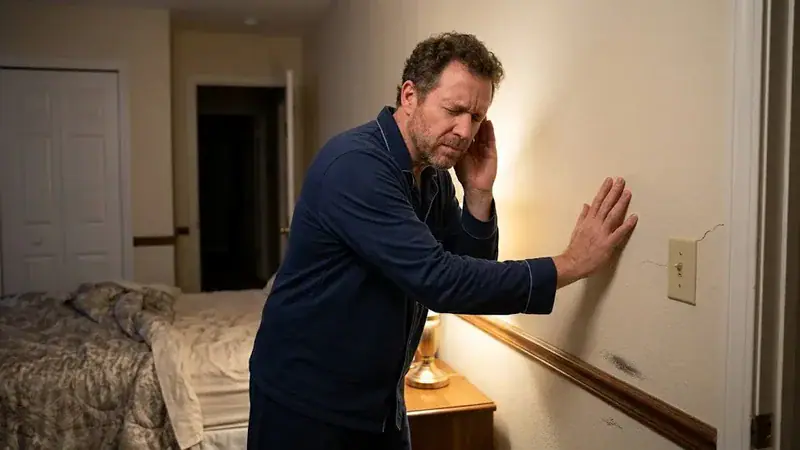
You lie in bed, the house goes quiet, and a faint scratching starts behind the wall. That sound rarely comes from the house itself. In most homes, it means a mouse is moving through a gap between the studs, along a pipe, or through insulation.
Mice make several kinds of mouse noises in walls. You may hear light scratching, quick scurrying, soft squeaks, or a dry gnawing sound. Each noise gives you a clue about what the mouse is doing. Scratching usually means travel or nest building. Gnawing means the mouse is working on a new opening or on something to eat. Squeaks can mean young mice, or mice that meet inside the wall.
One sound does not tell the whole story. This page helps you read the sound together with the physical evidence, so you can decide quickly and act with confidence.
Why Walls Make Small Animals Sound Bigger
A wall cavity works like a hollow box. Drywall, studs, and open space amplify tiny movements, so a mouse that weighs less than an ounce can sound like something much larger. Sound also travels along pipes and wiring, so the noise you hear often sits several feet from the real location.
This travel effect explains a common mistake. Homeowners place traps right where they hear the noise, then catch nothing. Trace the sound first, and you will place traps where mice actually run.
Why You Hear Mouse Noises in Walls at Night
Mice are mostly nocturnal. They rest in nests during the day and search for food, water, and nesting material when the house goes quiet. Our guide to mouse activity patterns explains this rhythm in detail. Three things combine to make night the loudest time.
The House Goes Quiet
Televisions, dishwashers, traffic, and conversation hide small sounds during the day. After bedtime, a mouse becomes the loudest thing in the room.
Mice Start Their Shift
Mice leave the nest after dark and follow the same routes along walls, pipes, and wires. They repeat those routes night after night, so you hear the same sound in the same area.
Cooler Weather Pushes Mice Indoors
In California, cooler nights and the first rains can send mice looking for warmth. Fall often brings the first scratching of the season. Warm rooms, quiet closets, and wall voids near water heaters attract them.
What Daytime Noise Can Tell You
Mice can make noise during the day too. Daytime activity can point to a crowded nest or a disturbed one, so inspect sooner when you hear scratching at midday.
10 Early Signs of Rodent Infestation to Check Today
Noise usually comes first, but other clues appear early too. Check these ten early signs of rodent infestation. Each one helps you confirm what the sound means.
1. Scratching, Scurrying, or Squeaking in the Walls
Light, quick sounds that start after dark and repeat in the same area point to a mouse. Heavier thumping suggests a larger animal, such as a rat.
2. Droppings
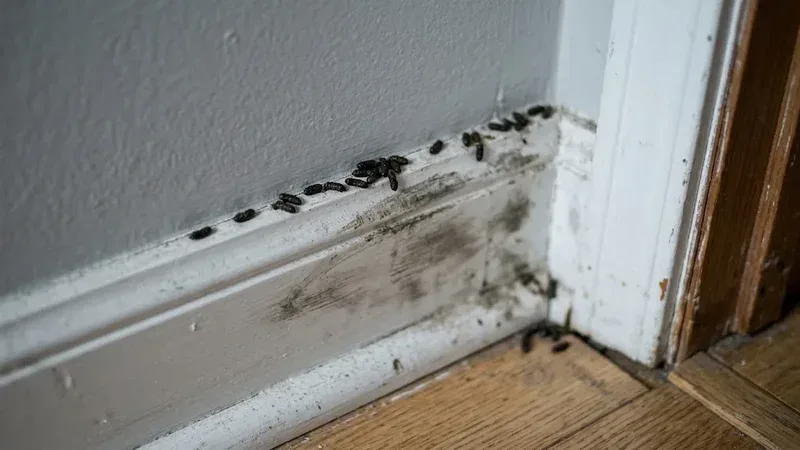
Mouse droppings look like dark grains of rice, about ¼ inch long, with pointed ends. Check behind appliances, inside cabinets, and along baseboards. Fresh droppings look dark and soft. Old droppings look gray and crumble.
3. Grease and Rub Marks
Mice follow the same path and rub their fur against walls. Over time, the oils and dirt leave dark smudges along baseboards and around holes. UC IPM lists smudge marks as a classic sign of rodent travel.
4. Gnaw Marks
Mice gnaw on wood, packaging, soap, and wiring. UC IPM describes mouse gnawing as fine, scratchy marks about 1/12 inch wide. Rat gnawing leaves larger tooth marks.
5. Shredded Nesting Material
Look for loose balls of paper, fabric, insulation, or dry plants in quiet corners, drawers, and storage boxes. Nests often sit near a heat source.
6. Musky or Ammonia-Like Odor
A stale, musky smell in a closet, cabinet, or wall corner often comes from urine. The odor grows stronger as activity continues.
7. Pets That Stare at One Spot
Dogs and cats often hear and smell mice before you do. A pet that sniffs, paws, or stares at one wall or appliance deserves a closer look.
8. Damaged Food Packaging
Torn cereal boxes, chewed bread bags, and small holes in pet food bags show that mice found a meal. Check the pantry and the garage.
9. Tracks and Tail Marks in Dust
In dusty garages, basements, and attics, mice leave tiny footprints and thin tail drag lines. A flashlight held low to the surface makes them easier to see.
10. A Live Mouse or a Small Hole
A live mouse in daylight, or a hole near the base of a wall, confirms the problem. Mice squeeze through gaps larger than ¼ inch, so even small holes matter.
No single sign proves a large problem. Several signs in the same area, however, make a strong case that mice live there. Write down what you find and where you find it. That record speeds up every later step.
Tools and Safety Gear for Tracing Mouse Noises
Good preparation protects your health and saves time. Gather these items before you start to listen and inspect.
Listening and Inspection Tools
- Flashlight or headlamp: A headlamp keeps both hands free.
- Drinking glass or stethoscope: Press the open end of a glass to the wall and put your ear to the base. The sound grows louder near its source.
- Phone voice recorder: A recording helps you compare the sound night after night, and helps a technician judge it.
- Inspection mirror or borescope: A small camera lets you look into gaps without cutting the wall.
- Notepad: Log the time, room, and type of sound.
Protective Gear
- Disposable nitrile or rubber gloves
- A fitted respirator if the area looks heavily contaminated
- Safety goggles when you work overhead
- Long sleeves and closed shoes
Electrical Caution
Mice chew wires. Before you open any wall or outlet cover, turn off power to that circuit. Never cut into drywall unless you know what runs behind it. If you suspect chewed wiring, call a licensed electrician.
How to Find Where Mouse Noises in Walls Come From
Work through these six steps before you place a single trap. A few quiet minutes of listening save days of guessing.
Record the Sound and the Time
Note when the noise starts, how long it lasts, and which room you hear it in. Record a short clip on your phone. Mice often repeat the same pattern, so a log shows you the route.
Listen With the House Quiet
Turn off fans, televisions, and the heating or cooling system. Stand still for several minutes in the room where you hear the sound. Quiet conditions let you judge the direction.
Use a Glass or Stethoscope on the Wall
Press the open end of a drinking glass to the wall and put your ear to the base. Move a few inches at a time. The scratching grows louder as you near the source.
Check Both Sides of the Wall
Look in the rooms above, below, and next to the noise. Open cabinets, closets, and the space behind the fridge and stove. Mice often enter the wall from a kitchen or utility area.
Look for Evidence at the Hot Spot
Shine a flashlight along baseboards and around pipes under sinks. Look for droppings, grease marks, gnaw marks, and gaps around pipes. Wear gloves, and wet any droppings before you touch them.
Map the Route and Mark Entry Gaps
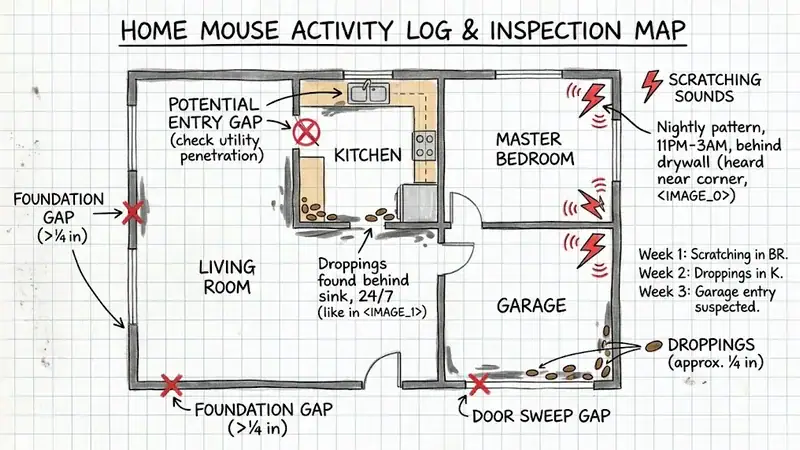
Sketch a simple floor plan. Mark each sound, each sign, and each gap larger than ¼ inch. This map tells you where to set traps, and where to seal once the activity stops.
What to Do in the First 48 Hours After You Hear Mice
Early action keeps a small problem small. Follow this order, because each step supports the next.
Remove Easy Food Sources
Store pantry food in glass, metal, or thick plastic containers with tight lids. Pick up pet food at night. Wipe crumbs from counters and floors. Mice stay where food stays easy to find.
Set Snap Traps Along the Route
UC IPM and the California Department of Public Health recommend snap traps. Place them against walls, with the trigger end close to the baseboard, where your map shows travel. Use a pea-sized dab of bait, and keep traps away from children and pets.
Seal Gaps Outdoors, and Keep Traps Active Indoors
Close gaps larger than ¼ inch around pipes, vents, and utility lines. Keep your trap line active inside until the noise stops. Sealing too early can trap a mouse inside the wall, where it may die and cause odor.
Clean With Wet Methods Only
Wear gloves. Spray droppings with disinfectant until they look wet, wait, and wipe them up with paper towels. Never sweep or vacuum. Bag the waste and throw it out.
Check Traps and Update Your Log
Check traps every day. Wear gloves, and seal each catch in a bag. Record the catch and any change in the noise. A log shows whether the activity is shrinking or spreading.
Decide on Day Two: Continue or Call
If the noise stops and the traps stay empty, finish sealing. If the noise continues, moves to new rooms, or you find new signs, call a professional for a full inspection.
Where Mouse Noises Start in California Homes
Mouse noises rarely start in the middle of an open room. They start where food, warmth, and cover meet. Check these hot spots first. For more room-by-room examples, read our guide to mouse noises in the house.
Kitchens and Pantries
Gaps around plumbing under the sink give mice a direct path into the wall. Appliances hide crumbs and warmth. Many homeowners hear the first scratching behind the fridge or dishwasher.
Water Heater and Laundry Closets
Utility closets stay warm and quiet. Pipes, vents, and wiring pass through the floor and wall, and those openings often stay unsealed.
Garages
Garages hold stored food, pet food, and boxes that make perfect nests. Gaps under the garage door and around utility lines let mice in, and the shared wall carries sound into the house.
Attics and Ceilings
Mice use wires and pipes to climb between floors. If you hear noise overhead, read our guide to finding a mouse nest in walls or the attic.
Crawl Spaces and Slab Homes
Many California homes sit on crawl spaces or concrete slabs with stucco walls. Openings where pipes and cables enter the foundation often give mice their first way in. Check the exterior near each utility penetration.
Mouse, Rat, or Something Else? Wall Noise Comparison
Not every noise in a wall comes from a mouse. Rats, birds, pipes, and larger wildlife can also make sounds. Use this table as a first filter, then confirm with physical evidence.
| Sound or Clue | Most Likely Source | What to Check |
|---|---|---|
| Light, quick scratching at night | House mouse | Droppings about ¼ inch long, grease marks, and small gaps |
| Heavier scratching or thumping above the ceiling | Roof rat | Larger droppings, fruit remnants, and trees that touch the roof |
| Steady gnawing | Mouse or rat | Gnaw marks: about 1/12 inch for mice, about 1/6 inch for rats (UC IPM) |
| Soft squeaking from one spot | Young mice, or mice that meet in the wall | A hidden nest near warmth, such as a water heater closet |
| Ticking or tapping that follows temperature changes | Pipes or ducts expanding | Whether the sound tracks heating cycles or running water |
| Flapping or chirping at sunrise | Birds in a vent or soffit | Outdoor vents with broken screens |
| Heavy thumps in daylight | Squirrel or larger wildlife | Entry holes at the roofline and tree limbs near the roof |
If the sound comes from the upper walls or attic and the animal feels heavy, read our guide on roof rats and Norway rats, because the two species need different control steps. For attic-specific clues, see our page on scratching in the attic. To compare sounds, read about squeaking versus scratching.
What to Do When Mouse Noises Keep Going or Suddenly Stop
When the Noise Continues
Noise that lasts after a few nights of trapping usually means one of three things. A nest may sit inside the wall. Mice may still find an easy way in. Or more mice may live there than the traps can catch. Mice reproduce quickly, as our guide to mouse reproduction and population growth explains, so a delay makes the job harder.
Increase the number of traps, move them to new spots on your map, and check each gap again. If the noise still continues, a professional inspection finds routes that homeowners often miss.
When the Noise Suddenly Stops
Sudden silence does not always mean success. A mouse may have died inside the wall. Watch for a stale, sweet, or rotten smell that grows stronger over several days, and for new flies near a wall or ceiling. Odor from a dead rodent can last for weeks. Our team handles this situation through dead rodent removal in California.
When You Hear Different Sounds
A change in the sound also carries information. Louder, heavier sounds can point to a rat. Squeaking can point to a nest. Record any change and share it when you call.
Health Risks and Safe Cleanup After Mice in Walls
Mice leave droppings, urine, and nesting material in wall voids. Dried waste can release particles into the air when you disturb it. In California, deer mice can carry hantavirus. The California Department of Public Health reports about three cases of Sin Nombre hantavirus infection each year in the state. The illness is rare, but it can be serious, so cleanup deserves care.
Read the full guidance on the California Department of Public Health hantavirus page. For a full walkthrough, see our guide to cleaning areas contaminated by mice.
Wet Cleanup in Four Moves
- Open doors and windows and air out the room for at least 30 minutes.
- Put on gloves, and consider a respirator in heavily infested areas.
- Spray the area with disinfectant or a fresh 10% bleach solution until very wet, and let it soak for at least 5 minutes.
- Wipe with paper towels or a sponge, bag the waste, and wash your hands.
When to See a Doctor
Fever, headache, muscle aches, and trouble breathing can appear 4 to 42 days after exposure to contaminated air. If you have these symptoms after contact with rodents or their waste, talk to a healthcare provider right away. Tell the provider about the rodent exposure.
DIY Trapping or Professional Inspection? How to Decide
You can handle a small problem on your own when you catch it early. Some situations call for a professional. Use these lists to decide.
When DIY Works
- You hear a light sound in one area, and you can reach the wall and nearby gaps.
- Snap traps catch mice within a few nights, and the noise fades.
- You can find and seal every gap you locate.
When to Call a Professional
- The noise continues after steady trapping.
- You hear sounds in several rooms, or on more than one floor.
- You find heavy droppings, large nests, or signs of rats.
- You suspect chewed wiring or a hidden nest in a wall.
- Anyone at home has asthma, a weak immune system, or a pregnancy and wants less exposure.
- You smell odor but cannot find the source.
How a PestPunt Visit Works
PestPunt operates as a Service Area Business across California. We do not run a walk-in office. Our field representatives travel directly to your property, so you never need to bring anything to us. A typical visit follows this order:
- You call our 24/7 dispatch line and describe the sounds, the rooms, and any signs you found.
- A field representative inspects the walls, attic, garage, and exterior for entry points.
- The representative explains what he or she found, which species is likely, and which steps come next.
- The team sets traps, seals gaps, and recommends cleanup, based on what the inspection shows.
See all PestPunt services and service locations across California.
Prevention Checklist: Keep Mice Out of Your Walls
Exclusion gives the longest-lasting protection. UC IPM calls exclusion the most successful strategy for rodent control around buildings. Use this checklist once the noise stops.
- Seal every opening larger than ¼ inch. The California Department of Public Health advises sealing holes the width of a pencil or larger.
- Use steel wool, wire screen, or sheet metal. Rodents chew through plastic, foam, wood, and caulk.
- Cover vents with ½-inch galvanized mesh. UC IPM warns against lightweight chicken wire.
- Seal gaps around pipes, cables, and wires where they enter walls or the foundation.
- Install door sweeps and repair damaged window screens.
- Store food in rodent-proof containers, and take pet food inside at night.
- Keep firewood, boxes, and clutter off the ground and away from walls.
- Thin dense plants near the house, and trim branches that touch the roof.
Read the full exclusion advice on the UC IPM rodent management page. Recheck the seals every season, because weather and settling open new gaps.

Common Mistakes When You Hear Mouse Noises in Walls
1. Trapping Where You Hear the Noise
Sound travels along pipes and studs. Trace the route first, then set traps along the wall where mice run.
2. Using Glue or Live Traps
The California Department of Public Health advises snap traps and warns against glue and live traps. Snap traps act quickly and keep handling to a minimum.
3. Sealing Before You Trap
Sealing too early can leave mice inside the wall. Keep traps active until the noise stops, then close every gap.
4. Trusting Repellents and Sound Devices
UC IPM reports that rodents quickly get used to repeated sounds, and that California has registered no effective rat repellents. Focus on sealing and trapping.
5. Sweeping Droppings Dry
Dry sweeping and vacuuming stir particles into the air. Wet the area, wipe it up, and wash your hands.
6. Ignoring Sudden Silence
A mouse may have died in the wall. Check for odor and flies, and call a professional if the smell grows stronger.
Frequently Asked Questions About Mouse Noises in Walls
Mice stay mostly nocturnal. They rest in nests during the day and search for food and nesting material after dark. The house also goes quiet at night, so small sounds in the wall stand out. Cooler weather can push more mice indoors.
Mice usually make light, fast scratching and scurrying sounds. You may also hear soft squeaks and a dry gnawing sound. Heavier thumping or loud scampering often points to a rat or larger animal, so check droppings and gnaw marks for confirmation.
Yes. Mice rest more in daylight, but they can still move, gnaw, and squeak. Daytime noise can point to a crowded or disturbed nest. Inspect sooner if you hear scratching at midday, and look for droppings and grease marks.
Compare the droppings, gnaw marks, and sound. Mouse droppings measure about ¼ inch, and mouse gnaw marks look fine and scratchy. Rats leave larger droppings and larger tooth marks, and they sound heavier. Roof rats often live in upper walls and attics.
Yes. A wall cavity amplifies small movements, so a single mouse can sound large. Still, one sign rarely tells the full story. Check for droppings, grease marks, and nests, because more than one mouse may live in the wall.
Rarely. Mice stay where they find food, warmth, and shelter. Noise may pause when the weather changes, but the activity usually returns. Trap, seal every gap larger than ¼ inch, and remove food sources to end the problem.
The noise itself causes no harm, but mice leave droppings and urine that can carry germs. In California, deer mice can carry hantavirus. Wear gloves, wet the area with disinfectant, never sweep or vacuum, and see a healthcare provider if you develop symptoms after exposure.
Call PestPunt at (888) 217-6759 for 24/7 dispatch. PestPunt operates as a Service Area Business across California, and field representatives travel directly to your property. Describe the sounds, the rooms, and any signs you found, and we explain your next step.
Final Takeaways
Mouse noises in walls at night usually mean mice move through hidden gaps near food and warmth. Trace the sound with a glass or stethoscope, then confirm it with droppings, grease marks, gnaw marks, odor, and nests. Set snap traps along the route, keep them active, and seal every gap larger than ¼ inch. Clean with wet methods only, and never sweep or vacuum dry waste.
If the noise continues, moves to new rooms, or suddenly stops and a smell follows, call PestPunt at (888) 217-6759. Our field representatives travel directly to your property anywhere in California.
Mobile Rodent Control Services
Stop the Scratching Before It Spreads
Mouse noises in your walls signal an early window to act. Call (888) 217-6759 to book an on-site inspection and get a clear plan to remove mice and keep them out.