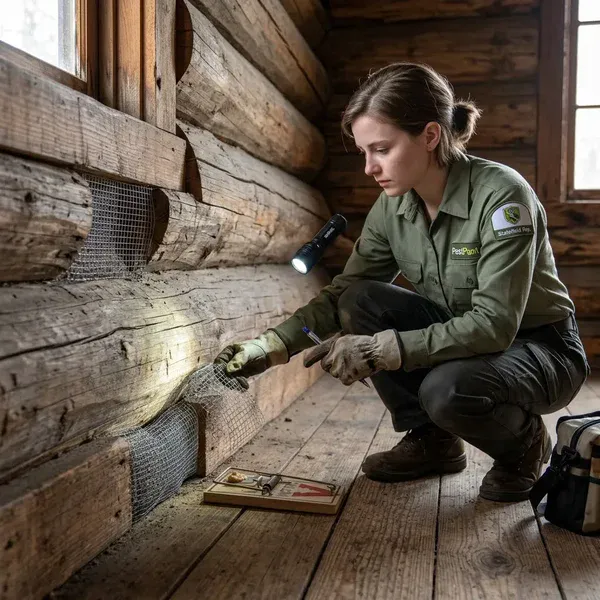
Hantavirus Symptoms and Risk: What Homeowners Need to Know
Hantavirus is rare, but it can be serious. In California, deer mice carry the virus, and the risk centers on mountain and foothill areas, cabins, sheds, and garages. This guide explains the symptoms, the timeline, the places that raise risk, and when to call a doctor or a rodent professional.
Hantavirus Symptoms and Risk — At a Glance
Early signs: Fever, tiredness, muscle aches in the thighs, hips, back, or shoulders, headache, chills, dizziness, and stomach symptoms.
Late signs: Coughing and shortness of breath. Breathing trouble after rodent exposure is an emergency.
California risk: Deer mice live across California. Most reported cases involve the interior mountains and the eastern Sierra Nevada.
What to do: Avoid dust, use wet cleanup, control rodents, and tell your doctor about any exposure.
What Hantavirus Is and Why It Matters in California
Hantaviruses are a family of viruses carried by rodents. In North America, the main illness is hantavirus pulmonary syndrome (HPS), a rare but severe respiratory disease. The CDC hantavirus overview describes how people can become ill after breathing in particles from infected rodent urine, droppings, or nesting material.
The virus in California is Sin Nombre virus, and its main carrier is the deer mouse. The California Department of Public Health (CDPH) reports that deer mice live throughout the state. Not every deer mouse carries the virus, and most people who live near deer mice never become ill. Even so, the illness can be serious, so a clear understanding of the risk helps you act sensibly instead of fearfully.

Hantavirus Is Not a Common Household Illness
CDPH data show that hantavirus infection has been diagnosed in 93 California residents since 1980. That number is small compared with the many people who share space with wild rodents. Still, the CDC reports that about 38 percent of people with HPS die, so a small chance carries a large consequence. This page gives you facts, not alarm, and points you to the steps that lower risk the most.
Where the Risk Is Highest in California
CDPH reports that most California cases were exposed to Sin Nombre virus in the interior mountain ranges or the eastern Sierra Nevada. Mono County Public Health stated in 2025 that it has recorded 26 confirmed hantavirus cases tied to exposures in the county since 1993, the most of any California county. Deer mouse testing in the county has found around one quarter of captured deer mice with evidence of the virus.
Why Mountains and Foothills Stand Out
- More deer mice: Wild habitat supports larger deer mouse populations.
- Seasonal cabins: Closed buildings let rodents nest undisturbed for months.
- Outbuildings: Sheds, barns, and garages offer shelter and food.
- Cleaning after storage: Reopening a cabin can stir up dust that holds dried droppings.
Risk is not limited to remote places. CDPH epidemiology summaries note that some California patients may have been exposed at home or at work, which shows that deer mice can enter areas of human activity. Treat any deer mouse presence in a building seriously, wherever you live.
Early Hantavirus Symptoms: What They Feel Like
Early HPS symptoms resemble many common viral illnesses, so people often dismiss them. According to the CDC, early symptoms include fatigue, fever, and muscle aches, especially in the large muscle groups such as the thighs, hips, back, and sometimes the shoulders.
Other Early Signs
- Headache and dizziness
- Chills
- Nausea, vomiting, diarrhea, or abdominal pain
These signs usually appear for several days. They do not prove hantavirus. The context makes the difference: a recent encounter with rodent droppings, nests, or live rodents, followed by a flu-like illness, deserves a conversation with a doctor.

When Symptoms Usually Begin
The CDC states that symptoms usually appear one to eight weeks after exposure to infected rodents. CDPH clinician guidance describes the typical range as two to three weeks, and occasionally up to five weeks. Because the window is wide, many people no longer remember the exposure by the time they feel ill. Keep a mental note, or a written one, of any cleanup or cabin visit with rodent signs.
Late Symptoms and When to Get Medical Care
After the early phase, HPS can progress. The CDC notes that late symptoms appear around four to ten days after the early illness begins and include coughing and shortness of breath. These symptoms may worsen quickly as fluid builds in the lungs.
Get Urgent Care Right Away If
- You have trouble breathing or chest tightness after possible rodent exposure
- You cough and feel short of breath along with fever
- You feel faint, confused, or unusually weak
Tell the clinician about the rodent exposure at the start. Early recognition and intensive care make a major difference, according to public health sources. PestPunt does not diagnose illness, and nothing on this page replaces medical advice.
There Is No Specific Cure or Vaccine
Public health agencies state that no specific antiviral treatment or vaccine exists for hantavirus pulmonary syndrome. Care focuses on supportive treatment, such as oxygen and intensive monitoring. That fact makes prevention, rather than treatment, your best tool.
What to Do After a Possible Exposure: Step by Step
If you disturbed droppings, a nest, or a dead rodent without protection, stay calm and follow these steps. They help you and your doctor respond early.
Leave the Dusty Area
Walk out of the space and ventilate it by opening doors and windows. Do not keep working in a closed, dusty room.
Write Down the Details
Note the date, the location, what you disturbed, and whether you wore a mask or gloves. A short note can help a clinician weeks later.
Wash Up Safely
Wash your hands and face with soap and water. Launder clothes in hot water if they were in the area.
Watch for Symptoms
Monitor yourself for fever, aches, fatigue, headache, cough, or trouble breathing for up to eight weeks after exposure.
Contact Your Doctor if Symptoms Appear
Call a healthcare provider and mention the exposure at the start of the call. If you have breathing trouble, seek emergency care.
Control the Rodent Source
Arrange rodent control and inspection so that new exposure does not continue. Do not return to heavy cleaning until you have the right protection.
How to Lower Your Risk at Home: Step by Step
Hantavirus prevention comes down to three habits: keep rodents out, keep dust down, and clean the wet way.
Seal Entry Points
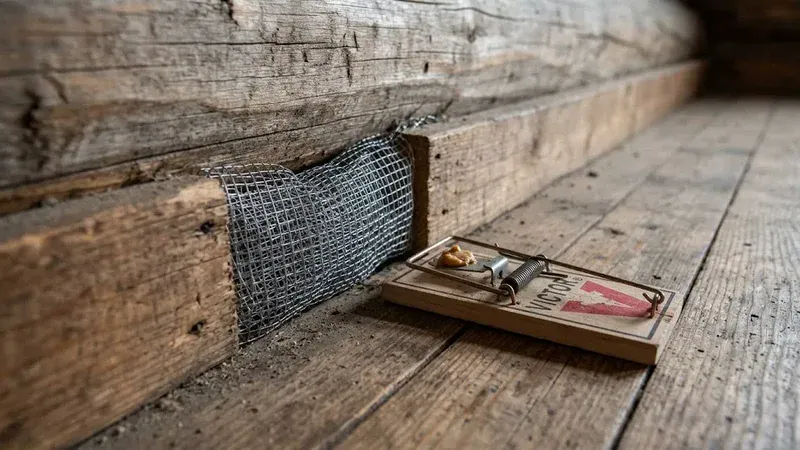
Close gaps larger than 1/4 inch with metal mesh and sealant. Our guide to rodent entry points around your home shows where to look.
Remove Food and Shelter
Store pet food, birdseed, and trash in tight containers. Clear brush and woodpiles away from the house, cabin, or shed.
Trap Safely
Use snap traps along walls, and check them daily. Wear gloves and handle dead rodents with a bag after you spray them with disinfectant.
Ventilate Closed Spaces
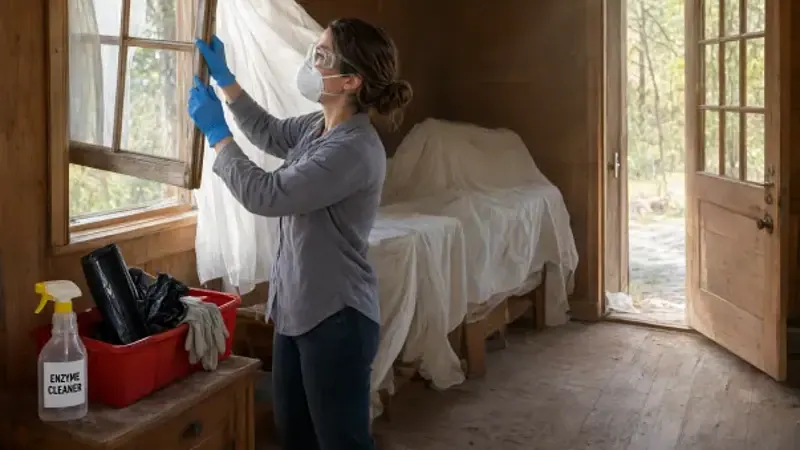
Open doors and windows for at least 30 minutes before you enter a closed cabin or shed, and then leave the area while it airs out.
Wet Before You Wipe
Spray droppings and nests with disinfectant until wet, wait the label contact time, and wipe up with paper towels.
Protect Yourself
Wear gloves, and use a fitted respirator for enclosed or heavily contaminated spaces. Wash your hands after you finish.

Hantavirus Risk by California Region and Neighborhood
PestPunt field representatives travel across California. The notes below describe where deer mouse exposure matters most and which communities often ask about it. They do not mean any one neighborhood is unsafe.
Eastern Sierra and Sierra Nevada
Communities such as Mammoth Lakes (93546), Bishop (93514), Truckee (96161), and South Lake Tahoe (96150) sit in or near deer mouse habitat. Cabins, vacation homes, and garages in these areas deserve a careful reopening routine after months of vacancy.
Southern California Mountains and Foothills
In mountain towns such as Big Bear Lake (92315), Idyllwild (92549), and Julian (92036), seasonal homes and sheds can hold deer mice. Homes in canyon edges across Los Angeles and San Diego counties, including Highland Park (90042) and North Park (92104), also share space with wild rodents, though most urban rodent problems involve roof rats and house mice.
Bay Area, Sacramento, and Central Valley
Neighborhoods such as the Sunset District in San Francisco (94122), Midtown Sacramento (95816), and Fresno's Tower District (93728) see rodent problems that usually involve other species, but any rodent waste calls for wet cleanup. For local help, see our pages for San Francisco, Sacramento, and Fresno.
Hantavirus Symptom Timeline at a Glance
This table summarizes the stages that public health agencies describe. Timing varies from person to person, so use it as a guide and not as a diagnosis tool.
| Stage | Typical Timing | What May Happen | What to Do |
|---|---|---|---|
| Exposure | Day 0 | Breathing dust or contact with rodent waste | Leave the area, ventilate, wash up |
| Incubation | 1 to 8 weeks | Usually no symptoms | Watch for changes, note the date |
| Early illness | Several days | Fever, fatigue, muscle aches, headache, stomach upset | Call a doctor and mention exposure |
| Late illness | About 4 to 10 days after early phase | Cough, shortness of breath, chest tightness | Seek emergency care |
| Recovery or critical care | Varies | Supportive care in a hospital | Follow medical advice |
Many illnesses share early signs with hantavirus, including flu and COVID-19. A doctor uses your exposure history and lab tests to decide what applies, so always mention any rodent contact.
Activities That Raise Exposure Risk
Risk depends on what you do, not on who you are. People get exposed when they breathe in particles from rodent waste, so any task that disturbs droppings or nests can matter.
Higher-Exposure Activities
- Opening and cleaning a cabin, shed, barn, or garage after months of vacancy
- Working in an attic, crawl space, or under a house that has rodent signs
- Moving stored boxes, firewood, or hay that rodents used
- Cleaning a nest or a dead rodent without protection
- Camping or sleeping in rodent-infested shelters
Lower-Exposure Situations
Walking past a deer mouse outdoors, seeing a rodent in a yard, or living in a clean home with sealed gaps carries a lower exposure risk. Good housekeeping and sealing reduce the chance that rodents ever enter your living space.
Safe Cleanup of Rodent Waste at Home
Safe cleanup is the single most useful skill for hantavirus prevention. The CDC guidance on cleaning up after rodents describe the wet method. Our own safe hantavirus cleanup guide turns the steps into a printable checklist.
Light Cleanup
Ventilate for 30 minutes. Wear gloves and a respirator. Spray droppings with disinfectant until wet. Wait the label contact time. Wipe up with paper towels and bag the waste. Disinfect the surface and wash your hands.
Heavy Cleanup
Large amounts of droppings, nests in insulation, or contamination in an attic or crawl space call for professional help and protective equipment. Do not attempt dry removal in these spaces.
DIY vs Professional Help for Hantavirus Risk Reduction
You can handle small, light cleanups with the right steps. Some situations call for a trained professional.
When DIY Works
- You find a few droppings on a hard surface.
- The space is open and well ventilated.
- You have gloves, disinfectant, and a respirator.
- You can complete the cleanup using wet methods.
When to Call a Professional
- You find heavy droppings or nests in an attic or crawl space.
- The cabin or shed has been closed for months and shows rodent activity.
- You see deer mice indoors repeatedly.
- Rodents keep returning after sealing.
- Someone at home has a lung condition or weakened immunity.
What PestPunt Does and Does Not Do
PestPunt field representatives inspect for rodents, identify entry points, and arrange control and sealing plans. We do not diagnose illness or test for hantavirus. For symptoms or exposure questions, contact a healthcare provider or your local health department.
Hantavirus Prevention Checklist for California Properties
Use this checklist before each season, and before you reopen any closed building.
- Seal gaps larger than 1/4 inch with metal mesh
- Store food and pet food in sealed containers
- Keep woodpiles and brush away from walls
- Set snap traps in cabins and sheds during vacancy
- Ventilate closed buildings before you enter
- Wet droppings before cleanup
- Wear gloves and a respirator for enclosed cleanup
- Tell your doctor about any rodent exposure if you feel ill
Six Hantavirus Mistakes and Myths to Avoid
Sweeping Dry Droppings
Sweeping lifts particles into the air. Wet and wipe instead.
Ignoring Early Symptoms
Flu-like illness after rodent exposure deserves a doctor call that mentions the exposure.
Assuming It Only Happens in Cabins
Cases are most common in mountain regions, but deer mice can enter homes elsewhere.
Thinking People Pass It On
Sin Nombre virus in the United States is not known to spread between people.
Cleaning Without Protection
Gloves and a respirator matter, especially in enclosed spaces.
Skipping Rodent Control
Cleaning alone does not stop new waste. Seal entry points and control rodents.
Frequently Asked Questions About Hantavirus in California
Early hantavirus pulmonary syndrome symptoms include fever, fatigue, and muscle aches, especially in the thighs, hips, back, and shoulders. Some people also have headache, dizziness, chills, nausea, vomiting, or diarrhea. These signs resemble the flu, so tell your doctor about any recent rodent exposure.
The CDC says symptoms usually start one to eight weeks after contact with infected rodents. CDPH clinician guidance describes two to three weeks as common and up to five weeks as possible. Because the window is wide, note the date of any rodent cleanup or cabin visit.
Yes. CDPH reports that deer mice live throughout California and that hantavirus infection has been diagnosed in 93 California residents since 1980. Most reported cases involve exposure in the interior mountains or the eastern Sierra Nevada, though some patients may be exposed near home.
The Sin Nombre virus that causes hantavirus pulmonary syndrome in the United States is not known to spread between people. Infection comes from contact with infected rodents, mainly through breathing particles from their urine, droppings, or nesting material.
Public health agencies state that there is no specific cure or vaccine for hantavirus pulmonary syndrome. Doctors provide supportive care such as oxygen and intensive monitoring. Prevention through rodent control, sealing, and wet cleanup remains the best protection.
Contact a doctor if you develop fever, aches, fatigue, cough, or breathing trouble within eight weeks after exposure to rodent droppings, nests, or live rodents. Tell the clinician about the exposure first. If you have trouble breathing, call 911 or go to the emergency room.
Ventilate the area, wear gloves and a respirator, and spray droppings with disinfectant until wet. Wait the label contact time, wipe up with paper towels, and bag the waste. Never sweep or vacuum dry droppings. The CDC provides step-by-step instructions for wet cleanup.
No. PestPunt does not diagnose illness or test for hantavirus. Our California field representatives inspect for rodents, find entry points, and arrange control and sealing plans. For health questions, contact your doctor or local health department. Call (888) 217-6759 to schedule a rodent inspection.
Final Takeaways
Hantavirus is rare in California, but it can be serious. Early symptoms look like the flu, and late symptoms include cough and shortness of breath. Symptoms usually start one to eight weeks after exposure. Seal entry points, control rodents, ventilate closed buildings, wet droppings before cleanup, and tell your doctor about any exposure. To understand the route of infection in detail, read our guide to how hantavirus spreads from deer mice droppings.
If you see droppings, nests, or deer mice, call PestPunt at (888) 217-6759. Our field representatives travel directly to your California property.
Mobile Rodent Control Services
Lower Your Rodent Exposure Risk With an On-Site Inspection
Rodent control and sealing reduce the chance of contact with droppings and nests. Call (888) 217-6759 to schedule an on-site inspection anywhere in California and get a clear plan.