Do Ultrasonic Rodent Repellers Actually Work? What the Evidence Shows
Plug-in repellers promise a quiet, chemical-free fix for rats and mice. The research tells a more careful story. This guide explains what UC IPM says, what one published field test found, why devices struggle in real homes, and what removes rodents for good.
Do Ultrasonic Repellers Work? — At a Glance
UC IPM position: Frightening devices, including high-frequency and ultrasonic sounds, are ineffective for controlling rats in homes and gardens.
The best counterexample: One Wisconsin farmhouse test found fewer mice with the unit on, but it used traps, one unit, and a hall full of reflective paint.
Why homes differ: Walls, insulation, furniture, and attics block or absorb ultrasound, and food and entry gaps stay in place.
What works: Trap, seal gaps larger than a quarter inch, remove food and shelter, and monitor.
What Ultrasonic Rodent Repellers Claim to Do
An ultrasonic repeller plugs into a wall outlet or runs on batteries and emits sound above the range most people hear, usually above 20 kilohertz. The packaging often says the sound irritates rodents, drives them out, and keeps them from coming back. Some units add pulsing lights or electromagnetic features. The appeal is clear: you plug it in, you skip the traps, and you never touch a dead mouse.
Rats and mice do hear high frequencies, so the idea sounds reasonable. The real question is not whether a rodent can hear a device. The question is whether the sound changes where rodents live, feed, and nest inside a real building, and whether that change lasts. The answer depends on the evidence, which we review below.
Why Homeowners Try Them First
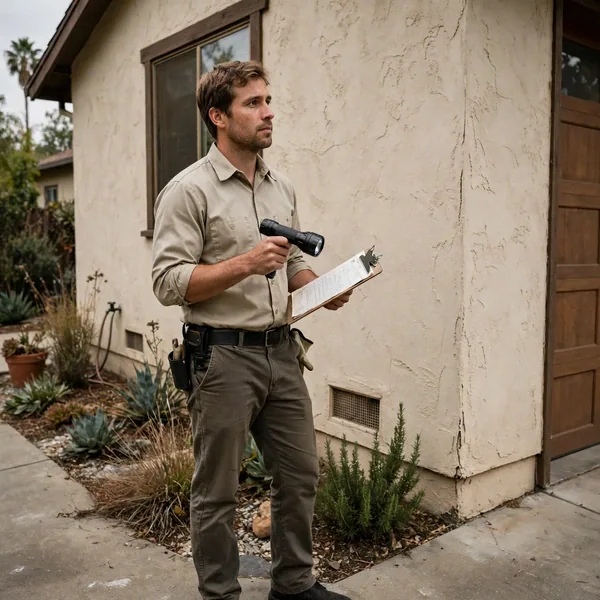
Most people reach for a repeller after the first droppings appear. They want a quick, quiet fix before they call anyone. We understand that. Our field representatives often meet homeowners who bought one or two devices, waited a few weeks, and then called us when scratching continued. If that sounds like you, you did nothing wrong, and the next sections will help you decide what to do now.
What UC IPM and Field Research Say About Ultrasonic Devices
The University of California Statewide Integrated Pest Management Program (UC IPM) publishes research-based guidance for California residents. In its UC IPM Pest Notes on rats, the authors state that rats are wary of strange noises but quickly become accustomed to repeated sounds. They conclude that frightening devices, including high-frequency and ultrasonic sounds, are ineffective for controlling rats in homes and gardens.
The same page adds that rats may avoid some odors and tastes at first, but no repellents have been found to solve a rat problem for more than a very short time. It also says there are no truly effective rat repellents registered for use in California. We treat those statements as the baseline for rats.
The Strongest Evidence in Favor
Fairness matters, so here is the best published case for the other side. A 2018 Vertebrate Pest Conference paper reported a multi-year test of one sonic and ultrasonic unit in an old farmhouse in Wisconsin. The author compared periods with the unit on and off. Across three periods with the unit on, nine mice were caught and 14 droppings were found on a kitchen counter. Across three periods with the unit off, 91 mice were caught and 154 droppings were counted. The author concluded that the combination of snap traps and the unit worked as an integrated pest management system.
Why That Study Does Not Settle the Question for Your Home
- One building. The test took place in a single old farmhouse, so the result may not transfer to other homes.
- One device. The author tested one commercial model, so the result does not cover every product on the market.
- Deer mice, not rats. The mice in that house were almost entirely native deer mice, and UC IPM's statement concerns rats.
- A special hallway. The author attributes part of the effect to many coats of enamel paint that reflect ultrasound, and he placed the unit where mice had to pass it.
- Traps stayed in place. Snap traps ran during every period, so the paper describes a combined approach, not a device on its own.
That paper actually helps make a practical point. The author himself notes that earlier studies found ultrasound ineffective or only partly effective, and he lists reasons: sound fades quickly in air, soft materials absorb it, and solid objects create silent zones. Those same limits apply in your attic, your wall voids, and your garage.
Why Plug-In Repellers Often Fail in Real Homes
A lab bench and a living room are very different places. Several practical problems explain why repellers disappoint homeowners, even when a device produces the sound the box describes.
Rodents Get Used to Repeated Sounds
UC IPM notes that rats quickly become accustomed to repeated sounds. A device that plays the same pattern night after night becomes background noise once a rat learns it does not signal danger. A rat will tolerate almost any annoyance if food and shelter sit nearby.
Sound Does Not Travel Through Walls and Soft Materials
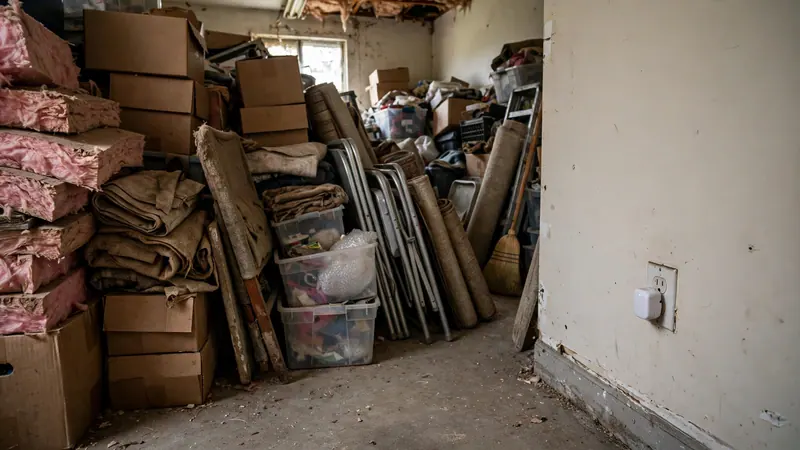
High-frequency sound is highly directional and fades fast. Insulation, drywall, boxes, furniture, and curtains absorb it. A rodent in a wall void, behind a refrigerator, or under attic insulation may sit in a quiet pocket that the device never reaches. A single unit in a hallway cannot protect an attic, a crawl space, and a garage at the same time.
Food, Water, and Shelter Still Draw Them In
Rodents choose a nest site for warmth, cover, and a short walk to food. A repeller changes none of those things. If pet food sits open in the garage, if fruit falls under your trees, or if a gap behind the dishwasher stays open, the animals have strong reasons to stay.
Entry Points Remain Open
A device does not close a gap. UC IPM recommends sealing openings larger than a quarter inch and calls exclusion the most successful and longest-lasting strategy around structures. A house with open entry points will keep receiving new rodents, whatever sound plays inside.
Rodents Reproduce Quickly
A delay costs more than time. Our guide to mouse reproduction and population growth shows how quickly a small group becomes a large one. Weeks spent waiting on a device can let the problem grow.
Ultrasonic Devices Compared With Methods That Work
The table below places repellers beside the other common options. It reflects UC IPM guidance and our field experience, and it avoids price claims because prices vary.
| Method | What it does | Evidence and limits | Best use |
|---|---|---|---|
| Ultrasonic repeller | Emits high-frequency sound | UC IPM calls frightening devices ineffective for rats; one small mouse study reported benefits alongside traps | Optional extra, never the foundation |
| Snap traps | Remove rodents directly | UC IPM calls them the safest, most effective, and most economical way to trap rats | Core method for active rodents |
| Exclusion (sealing) | Blocks entry | UC IPM calls it the most successful and longest-lasting strategy around structures | Every infestation |
| Sanitation | Removes food and shelter | UC IPM calls it fundamental and says it must be ongoing | Every infestation |
| Scent or spray repellents | Aim to deter by smell or taste | UC IPM reports no repellent has solved a rat problem for more than a very short time | Short-term experiment only |
| Cats and other predators | Hunt rodents | UC IPM says predators cannot significantly control prolific rodents | Not a control plan |
| Professional program | Inspect, trap, seal, and monitor | Combines the methods above with trained species identification | Established or repeated problems |
Notice the pattern: methods that remove rodents, block entry, and reduce food and shelter lead the table. Methods that try to persuade rodents to leave without changing those conditions sit at the bottom.
How to Run a Fair Test If You Already Own a Repeller
If you already own a device and want to know whether it helps, test it fairly instead of guessing. These six steps give you real evidence without letting the problem grow.
Record a Baseline First
Before you plug in the device, photograph droppings, note where you hear noises, and count trap catches or droppings on a set schedule for a week. Wear gloves and wet-clean droppings after you photograph them.
Seal and Remove Food Before You Start
Close visible gaps and store food in sealed containers. Otherwise you cannot tell whether the device or your cleanup caused any change.
Place the Device Near a Known Route
Put it low and aimed toward the suspected entry point, with no furniture or boxes in the way. Remember that walls and soft objects block the sound.
Keep Snap Traps Running
Place snap traps along walls and travel routes during the test, out of reach of children and pets. This protects your home while you test, and it shows how many rodents remain.
Compare the Same Measures Weekly
Count droppings and trap catches the same way each week for at least a few weeks. Keep notes so you can compare with your baseline.
Decide With the Data
If activity falls but never stops, book an inspection to find the source. If activity continues or grows, stop relying on the device and call a professional.

What Actually Removes Rats and Mice
Successful control combines sanitation, exclusion, and population control. Here is the sequence we follow in the field, based on UC IPM guidance.
Identify the Species
Droppings size, gnaw marks, and where you hear noise help separate house mice, Norway rats, and roof rats. Species determines where traps and seals go. See our guide to mouse versus rat droppings.
Find the Entry Points
Check pipes, vents, rooflines, garage doors, and foundation gaps. Our entry point guide shows where rodents most often get in.
Set Traps Where Rodents Travel
Use snap traps along walls, behind objects, and on ledges for roof rats. UC IPM advises using enough traps so the trapping period stays short.
Seal Gaps With Durable Materials
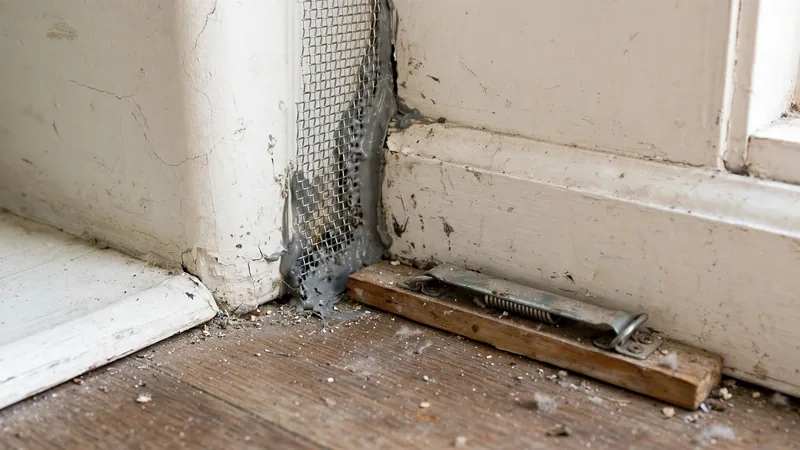
Use steel wool, wire screen, or sheet metal for gaps larger than a quarter inch. UC IPM warns that rats can chew through plastic, foam, wood, and caulk.
Remove Food, Water, and Shelter
Store pet food in sealed containers, tighten trash lids, pick up fallen fruit, and thin dense plantings near walls.
Clean Up Safely and Monitor
Wet-clean droppings with gloves and a respirator, and check traps and entry points on a schedule. Our droppings cleanup safety guide explains the method.
Where California Homeowners Reach for Repellers
Our field representatives meet repeller owners in every part of California. The pattern changes with the housing stock, so we share a few examples. We serve every community in the state, and we list these neighborhoods only to help you picture your own situation.
Apartments, Flats, and Duplexes
In the Mission District of San Francisco (ZIP 94110), many residents live in older flats and apartments with shared walls and basements. Tenants often plug in devices because they cannot seal the building themselves, and rodents then travel along shared pipes and walls. In that setting, tell your landlord in writing and keep a dated record. See our San Francisco 24/7 rodent removal page.
Hillside Homes and Open Floor Plans
In Studio City in Los Angeles (ZIP 91604), homes with large attics, hillside landscaping, and tall trees give roof rats cover and rooflines. A device in the living room never reaches the attic where the noise comes from. Our Highland Park rodent exterminator page and the Los Angeles cleanup service page describe nearby service.
Coastal and Inland Neighborhoods
In Pacific Beach in San Diego (ZIP 92109), coastal landscaping and dense plantings offer cover close to homes. In East Sacramento (ZIP 95819), mature trees and older garages create travel routes from yard to roof. See our San Diego emergency rodent removal page, the Sacramento rodent pest control page, and the full locations list.
DIY Control or Professional Help After a Repeller Fails
A repeller that does not work tells you something useful: the rodents have strong reasons to stay. Use the comparison below to decide your next step.
When DIY Control Can Work
- You see signs in one small area and can reach it safely.
- You can find and seal the entry gap yourself.
- You are comfortable setting snap traps and wet-cleaning droppings with protection.
- Activity drops within the first week or two.
When to Call a Professional
- Scratching continues in walls or the attic after weeks of effort.
- You suspect roof rats, which need above-ground trapping and rooflines checked.
- You cannot find where rodents enter.
- You see droppings in several rooms.
- You found chewed wires or insulation.
- Someone at home has asthma, a weakened immune system, or pregnancy.
Our professional rat removal, same-day rodent removal, and mouse proofing pages describe what our field representatives do after a device fails. A representative inspects the property, identifies the species, places traps where rodents travel, and recommends exclusion and sanitation.
When you finish with sound devices, you may wonder about home remedies. We cover one popular choice in the next guide: whether peppermint oil really works on mice.
Prevention Checklist: Habits That Beat Any Gadget
Prevention succeeds when you remove the reasons rodents come. Review this checklist each season, and again after storms or construction nearby.
Block Entry
- Seal gaps larger than a quarter inch around pipes, wires, and vents.
- Cover vents with heavy-gauge mesh, not lightweight chicken wire.
- Fit door sweeps and check garage door corners.
- Repair damaged screens under eaves and around the foundation.
Remove Food and Shelter
- Store pet food and bird seed in sealed metal or thick plastic containers.
- Keep trash lids tight and rinse grease from bins.
- Pick up fallen fruit, nuts, and pet waste in the yard.
- Raise boxes, lumber, and firewood off the ground and away from walls.
Manage the Landscape
- Trim branches at least 3 feet from the roof.
- Thin ivy, star jasmine, and other climbing plants on fences and walls.
- Keep shrubs at least 2 feet apart and away from buildings.
Our article on what attracts mice into a home adds more detail, and our list of early rodent infestation signs helps you catch problems sooner.
Six Mistakes People Make With Rodent Repellers
Relying on One Device
A single unit cannot cover an attic, a garage, and several rooms. Walls and soft objects block ultrasound.
Skipping Traps
UC IPM calls snap traps the safest, most effective, and most economical way to trap rats. Devices do not remove animals.
Ignoring Entry Points
A device never closes a gap. Seal openings larger than a quarter inch.
Leaving Food Out
Open pet food and fallen fruit outweigh any sound. Remove the reward.
Waiting Months
Rodents breed quickly, so delay lets the problem grow. Set a short trial and then act.
Using Poison Inside Walls
Poisoned rodents can die in walls and vents, and baits can harm pets and wildlife. Leave bait use to licensed professionals.
How to Choose a Provider and Avoid Gadget-First Sales Pitches
Some companies sell devices as the main solution. Ask these questions before you agree to any plan.
- Will you inspect the whole property and identify the species?
- How will you handle entry points, not only traps or devices?
- What evidence supports each part of your plan?
- How will you protect children, pets, and wildlife?
- What should I do to help, and what will you do?
A good provider explains the plan plainly and ties each step to the cause. A warning sign is a plan that centers on a plug-in device and promises results without inspection. PestPunt sends local field representatives to your property to inspect first. Learn more on our about page and our services page.
How to Prepare for an Inspection and What Happens Next
A few minutes of preparation help your field representative find the source faster.
- Note where and when you hear noise and where you see droppings.
- Write down which devices you used, where you placed them, and for how long.
- Clear access to the attic hatch, garage walls, and under-sink cabinets.
- Secure pets in another room.
- Photograph droppings or damage before you clean.
After the inspection, we explain what we found and what we recommend. If rodents damaged a car or your property, our guide on insurance coverage for rodent damage in California explains how to document the loss. You can also review our guide to rodent damage to car engines and wiring.
Frequently Asked Questions About Ultrasonic Rodent Repellers
Not reliably. UC IPM states that rats quickly get used to repeated sounds, so ultrasonic and other frightening devices are ineffective for controlling rats in homes and gardens. One small published test in a single house reported benefits for mice when a unit ran alongside traps.
Rodents become used to repeated sounds, and walls, insulation, and furniture absorb ultrasound. Food, shelter, and open entry points also keep drawing them in. A device changes none of those conditions, so animals often stay.
A 2018 Vertebrate Pest Conference paper reported fewer mice and droppings in one Wisconsin farmhouse when a unit ran with snap traps. It tested one building, one device, and mostly deer mice, so it cannot settle the question for every home.
You can, but treat the traps as the real control. Snap traps remove rodents, while a device only might influence movement. Seal gaps and remove food, and track droppings and trap catches so you know what helps.
Safety depends on the animal and the device. Some small mammals, including hamsters, guinea pigs, and rabbits, may hear ultrasound, and some dogs and cats may react. Ask your veterinarian before you run a device in a home with pets.
Give a fair test a few weeks at most while you keep sealing and trapping. Record droppings and trap catches weekly. If activity continues or grows, stop waiting and book an inspection, because rodents reproduce quickly.
UC IPM describes successful control as sanitation, exclusion, and population control. In practice, that means sealing gaps larger than a quarter inch, trapping with snap traps, and removing food and shelter. A professional inspection can confirm the species and routes.
Yes. PestPunt is a Service Area Business that dispatches local field representatives across California. Call (888) 217-6759 at any hour, and we will explain how we can reach your property.
Final Takeaways
UC IPM says ultrasonic and other frightening devices do not control rats in homes and gardens, and one small test in a single house does not change that for most homes. Devices can fail because rodents get used to them, walls and soft materials block the sound, and food and entry gaps stay in place. Trap, seal, and remove the reasons rodents stay.
If a repeller has not worked, call PestPunt at (888) 217-6759. We dispatch a field representative to your property anywhere in California.
Mobile Rodent Control Services
Replace Guesswork With a Field Inspection
A representative can find how rodents enter, set traps where they travel, and explain how to seal and clean up. Call (888) 217-6759 for 24/7 dispatch anywhere in California.