Understanding Mouse Noises in Your Home
Scratching in the walls late at night. Scurrying overhead in the attic. A faint squeak from behind an appliance. If you are hearing these sounds, identifying the specific noise pattern is the first step to resolving an established rodent presence.
Why Do You Hear Mouse Noises Consistently?
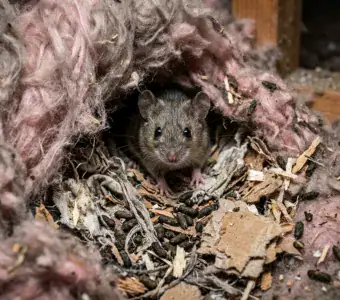
A house mouse (Mus musculus) rarely announces itself with a single, isolated noise. They build quiet, established pathways between a nest and a reliable food source. The repeating noise you hear is simply that route being utilized nightly along your wall cavities and floor joists. Understanding the sound provides valuable insight into the infestation.
Wall Cavities Amplify Sound:
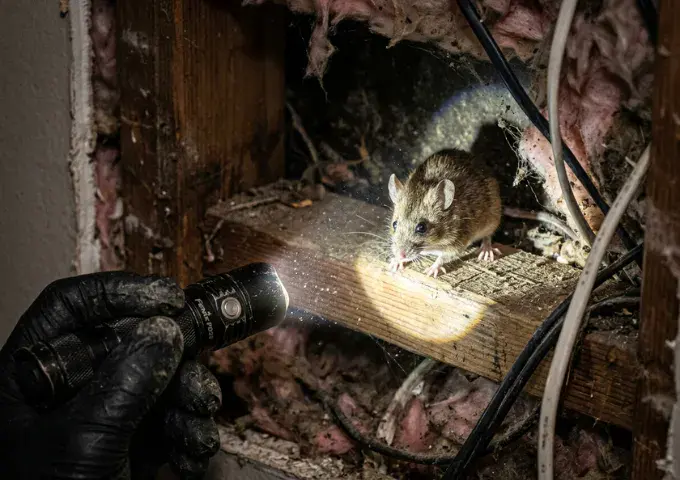
Consistent scratching over multiple nights indicates an established presence. Insulation, drywall, and stud bays transmit vibrations efficiently, making even a 15-20 gram house mouse sound disproportionately large from inside a quiet bedroom.
Recognizing Four Distinct Sound Categories
The pattern of the noise can assist our technicians in narrowing down the rodent species and determining the likely nest location.
Light Scratching / Scraping
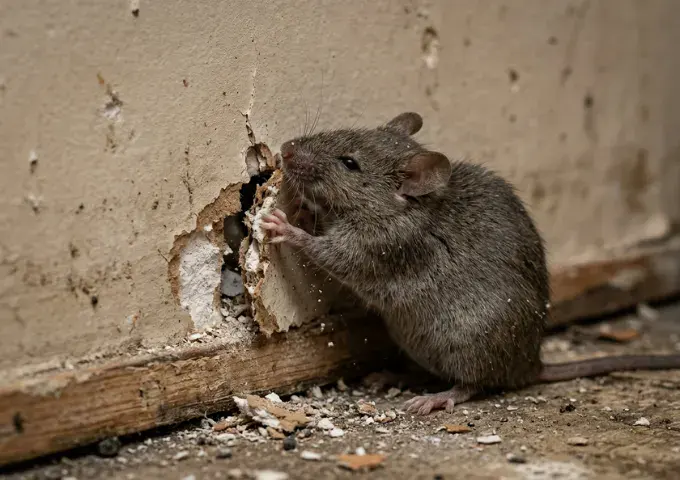
A mouse traveling along a wall cavity. Commonly heard between 9 p.m. and 2 a.m. behind baseboards or cabinets.
Quick Pattering / Scurrying
Rapid movement across flat surfaces, such as attic floor insulation or suspended ceiling panels during the evening.
High-Pitched Squeaks
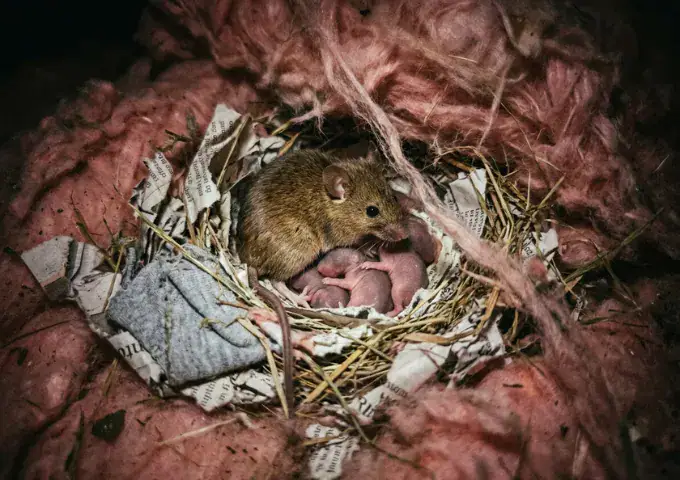
Often indicates short-range communication near an active nesting site hidden within wall voids or insulation.
What Scratching in Walls at Night Signifies
Consistent scratching in the same wall section over multiple nights is a strong indicator of an established travel route rather than a transient visitor. Our mobile service technicians use these patterns to determine where the exclusion work and trapping should be focused.
Differentiating Rodent Sounds from Above
Attic noise identification depends on speed, weight, and pattern. A professional evaluation can reliably distinguish species based on these sounds and physical evidence.
House Mice
Light, fast scurrying near eaves and insulation edges; minimal thumping; activity concentrated near a nest.
Roof Rats
Heavier movement along ridge beams and rafters, audible thumping when jumping, and prominent gnawing sounds.
Deer Mice
Common in rural properties or attics adjacent to wildland. Known carriers of specific localized pathogens.
Norway Rats
Less common in attics (they prefer burrows), but produce the heaviest, slowest movement when present.
Are Squeaking Noises Dangerous?
The squeak itself isn't hazardous, but it often confirms the presence of an active, breeding population. Squeaking is a primary way pups communicate with the female. An established nest carries genuine risks, including shedding salmonella through droppings, contaminating stored food, and triggering allergy symptoms.
Why Do You Hear Them but Never See Them?
House mice are photophobic—they actively avoid light and exposed spaces. A gap the width of a pencil (about a quarter inch) is sufficient for entry. Because they prefer low-light, established routes, they utilize the same hidden cavities night after night. This is why the noise remains highly localized and the animal stays hidden.
Regulatory Compliance and Exclusion Techniques
Our mobile technicians operate strictly within current state regulations to ensure safety and effectiveness.
In many jurisdictions, the use of Second-Generation Anticoagulant Rodenticides (SGARs) and other specific compounds has been heavily restricted to protect wildlife (like owls and hawks) from secondary poisoning. This is why professional, licensed service is crucial; we focus heavily on mechanical trapping and permanent structural exclusion rather than relying solely on restricted chemicals.
Mobile Property Inspection
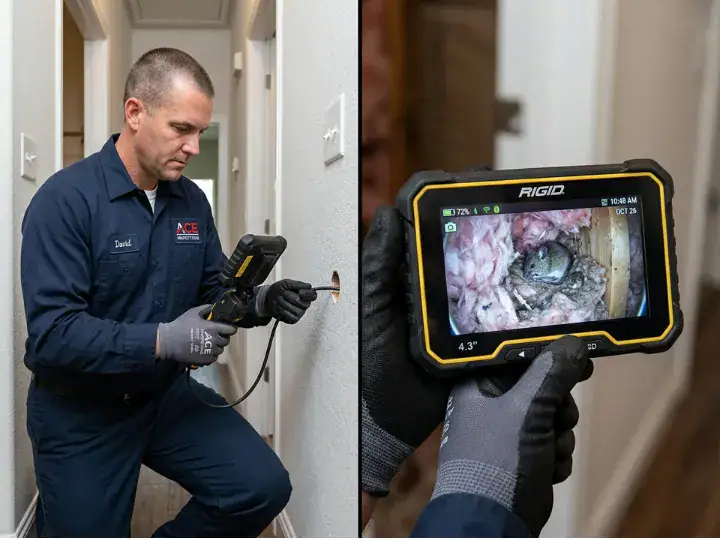
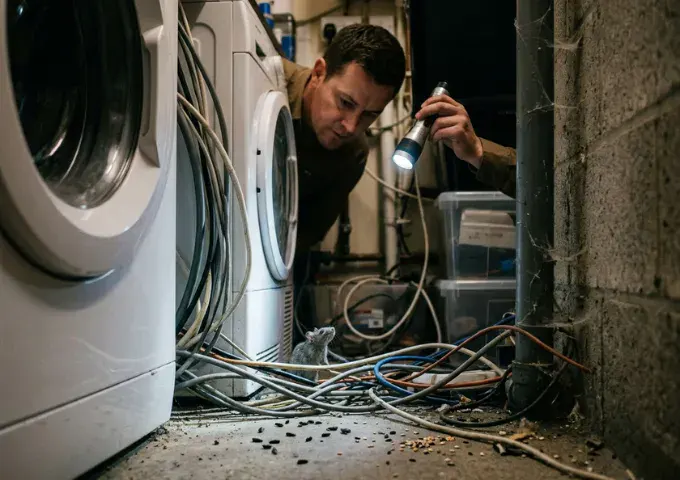
Our dispatched technicians conduct a thorough perimeter sweep to find the exact, often hidden entry points allowing rodents inside.
Professional Exclusion
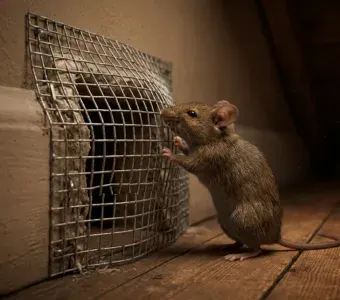
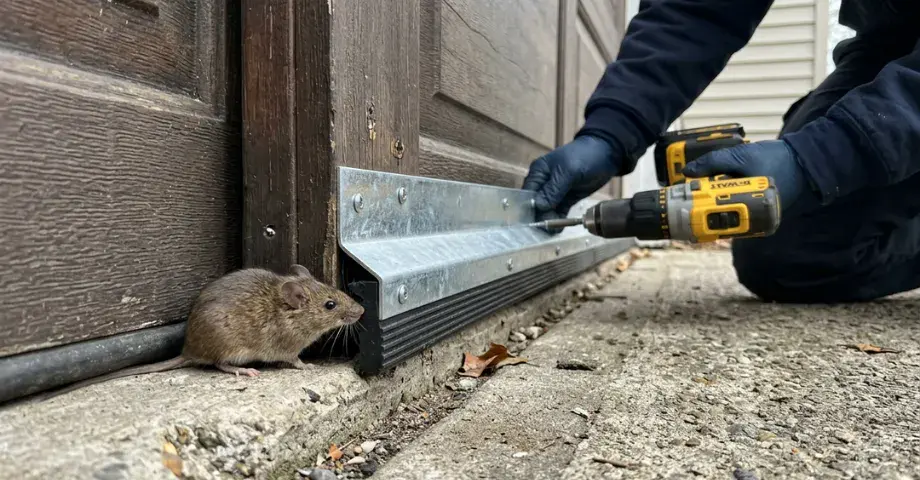
We seal gaps larger than a quarter inch using durable materials like hardware cloth, steel mesh, and professional-grade sealants to prevent re-entry.
Compliant Trapping
Implementation of enclosed bait stations or snap traps placed strictly along documented travel paths, fully compliant with structural pest regulations.
Sanitation Guidance
Advising property owners on removing the specific food or nesting incentives that attracted the rodents initially.
What Kind of Service Should You Expect?
Mouse-specific control falls under structural pest control. A qualified provider focuses on the building envelope rather than just general trapping. A thorough service includes:
DIY vs. Professional Assessment
A single, isolated noise with no other signs might resolve with basic cleaning and a couple of traps. However, recurring nightly noise, frequent squeaking, visible droppings, or noises spanning multiple rooms strongly suggest a population that requires professional exclusion.
Other Rodent Control Solutions
Common Rodent Behavior Questions
Reliable Service Area Providers
PestPunt operates as a mobile pest control service directly dispatching field technicians to residential properties across our coverage areas. Our operational focus is structural pest exclusion—meaning we prioritize locating the exact entry points rodents use to enter walls and attics.
Operating without the overhead of retail storefronts allows our mobile teams to concentrate entirely on arriving at your property equipped for thorough evaluation, code-compliant sealing, and effective mitigation. We maintain active continuing education to stay current with evolving state regulations.
Professional Exclusion Focus
We pride ourselves on comprehensive gap sealing to address rodent entry permanently, standing firmly behind the quality of our exclusion work.
Ready for a Professional Assessment?
Contact us for mobile property evaluation and effective rodent exclusion.
PestPunt · Mobile Dispatch Services · (888) 217-6759