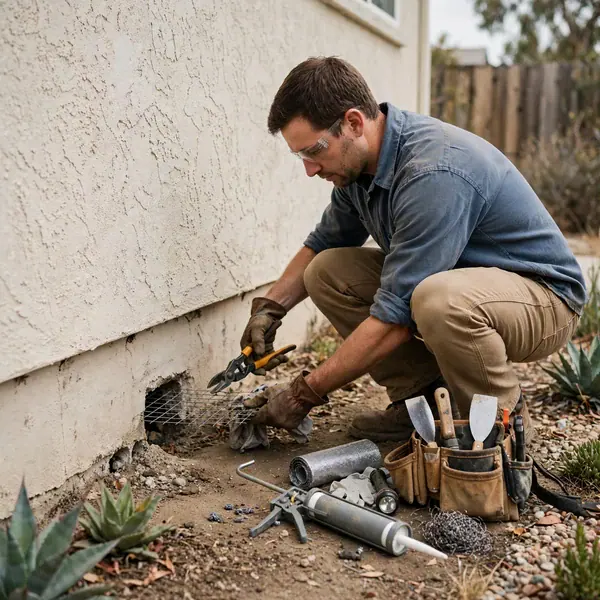
Rodent Entry Point Sealing That Rats and Mice Cannot Chew Through
Foam and caulk alone fail against rodent teeth. PestPunt seals each entry point with metal, backing and sealant, protects your airflow and safety systems, and records every opening we close.
Rodent Entry Point Sealing — At a Glance
What it uses: Hardware cloth, sheet metal, copper mesh and exterior-grade sealant.
What it avoids: Foam, caulk, plastic and wood as stand-alone barriers.
What it protects: Attic airflow, dryer exhaust and appliance venting.
Next step: Call (888) 217-6759 for on-site dispatch.
What Rodent Entry Point Sealing Includes
Rodent entry point sealing closes the gaps that rats and mice use, with materials they cannot chew through. It is the hands-on step that follows inspection and repair. The goal is simple: leave no opening larger than a rodent needs.
Good sealing uses layers. A metal barrier stops the gnawing. Sealant locks the barrier in place and blocks drafts, moisture and insects. Backing material fills deep gaps so the sealant has something to hold. Skip any layer and the seal weakens.
PestPunt sends a field representative to your Los Angeles home or business to perform the sealing. We do not run a walk-in office. The crew works at your property, marks each sealed opening and explains the work in plain language.
Where Sealing Fits in the Sequence
Sealing follows a rodent entry point inspection and any rodent entry point repair. It comes before cleanup, so rodents cannot recontaminate a freshly cleaned space. For whole-house protection, continue to home rodent proofing.
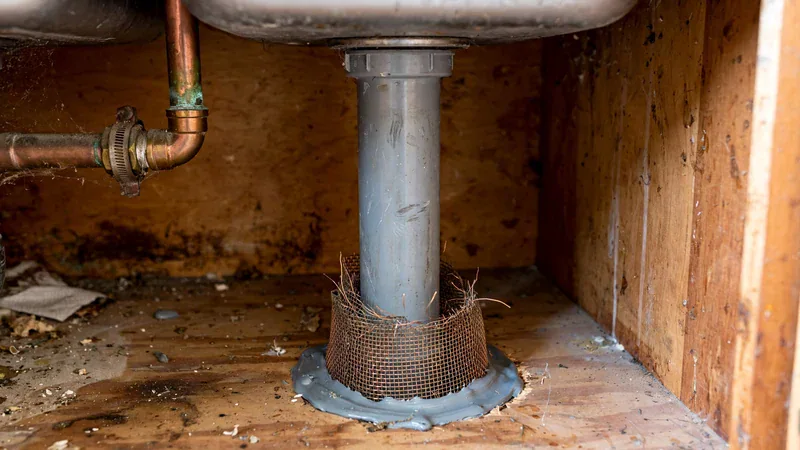
The Rule Behind Every Seal
UC IPM advises sealing cracks and gaps larger than ¼ inch and using sheet metal or hardware cloth, since rodents gnaw softer materials such as plastic and wood. We follow that rule at every opening. Read the details in the UC Statewide IPM article.
The Three-Layer Method We Use at Most Gaps
Most gaps need three layers: backing, barrier and sealant.
1. Backing
We pack deep or irregular gaps with copper mesh or a similar material. Backing fills the space and gives the sealant a base. Steel wool alone does not last. UC IPM calls it a temporary fix.
2. Barrier
We cover the opening with galvanized or stainless hardware cloth or sheet metal. The barrier carries the load, because rodents cannot chew through it easily.
3. Sealant
Exterior-grade sealant locks the edges, blocks air and moisture and keeps the barrier from shifting. Sealant never serves as the barrier itself.
The three layers work together. If a crew uses only foam or only caulk, rodents often reopen the gap within weeks.
How We Seal Each Type of Opening
Different openings call for different techniques. The table below shows what we use and what to watch for.
| Opening | Technique | Watch for |
|---|---|---|
| Round pipe gap | Copper mesh packed in, sealant over, metal collar if loose | Seal both the wall side and the exterior side |
| Attic and soffit vent | Hardware cloth fastened with screws and washers | Keep airflow open so the attic still breathes |
| Foundation vent | Hardware cloth over the frame, edges fastened | Match mesh size to mice or rats |
| Roof eave and tile end | Metal flashing or eave closures | Needs safe roof access |
| Garage door corner | Corner guard, side seal and bottom seal | Check with the door fully closed |
| Stucco crack or hole | Metal backing, patch and exterior sealant | Cracks around windows and vents recur |
| Dryer exhaust | Dampered metal cover, not fine mesh | Lint clogs mesh, so use a cover instead |
| AC line-set gap | Metal cover plate with sealed edges | Seal around the line and the plate |
| Chimney and roof penetrations | Metal cap or screen designed for the opening | Do not block exhaust or code-required airflow |
Our crews match each technique to the opening, the material around it and the species that uses it.
Materials That Fail Against Rodents
Some popular fixes look good on the first day and fail within weeks. Avoid these as stand-alone barriers:
- Expanding foam. Rodents chew through it quickly. It works only when metal protects it.
- Plain caulk. It closes drafts but not rodents.
- Steel wool alone. It rusts and shifts. UC IPM notes that steel wool is only a temporary fix.
- Plastic screening. Rodents gnaw through it.
- Wood patches. Wood gnaws and rots.
- Tape, rags and cardboard. These offer no protection.
Our article on why rats chew through wires and wood explains why the right material matters. Rodent teeth grow throughout their lives, so chewing is a constant habit.
How a PestPunt Sealing Visit Works
Six steps keep the work safe, tidy and permanent.
Call and confirm the openings
Call (888) 217-6759. Share inspection notes if you have them, or ask for a new inspection.
Dispatch the crew
A field representative arrives with hardware cloth, sheet metal, copper mesh, sealant and fastening tools.
Confirm no animals remain
We check for active signs. If rodents remain inside, trapping comes first.
Seal the highest-risk openings first
We start with roofline, vent and utility gaps, then move to the garage and foundation.
Inspect each seal
We check every seal from both sides, press on the barrier and look for light or movement.
Record and review
We mark the sealed openings, review the work with you and set a recheck.
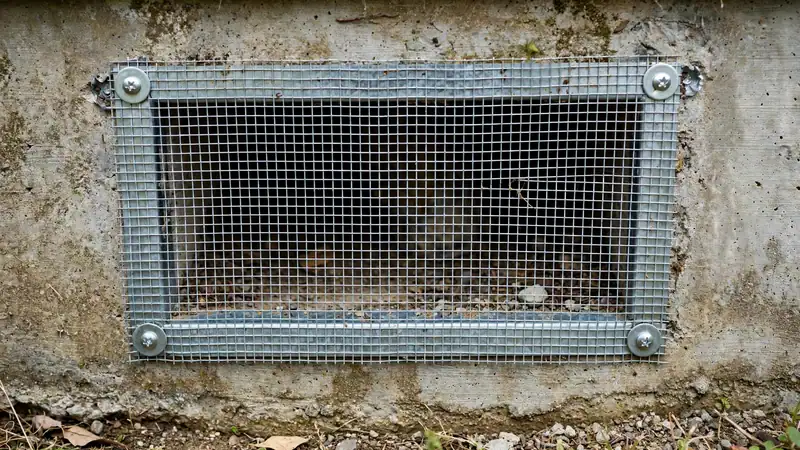
What Happens After the Sealing Is Done
A sealed home still needs a brief monitoring period.
Watch for new signs
Check for droppings, sounds and gnaw marks in the attic, garage and cabinets.
Keep traps in place
The CDC advises continued trapping for about a week after sealing to confirm that no rodents remain.
Clean contaminated areas
Wet droppings with disinfectant, wipe them up and bag the waste. Do not sweep or vacuum dry material.
Replace soiled insulation
Replace damaged insulation after the openings are sealed.
Adjust habits and landscape
Store food in tight containers, close trash lids and trim branches.
Schedule a recheck
A seasonal recheck catches new gaps and aging seals.
For cleanup after sealing, see our rodent droppings cleanup in Los Angeles and rodent cleanup and decontamination pages.
Sealing Without Blocking Airflow or Safety Systems
Sealing must never harm the way your building breathes or vents. Some openings serve a purpose, and a careless seal creates new risks.
Attic and Crawl Space Ventilation
Attics and crawl spaces need airflow to control heat and moisture. We screen these vents with hardware cloth and leave the airflow open. We never cover a vent with a solid barrier.
Combustion Appliances
Water heaters, furnaces and fireplaces need clear exhaust and combustion air. We do not block flues, vent pipes or air intakes. If a gap sits next to a gas appliance, we explain the issue and refer you to a qualified technician when needed.
Dryer Exhaust
Dryer vents collect lint. A fine mesh over the exhaust can clog and create a fire risk. We use a dampered metal cover that closes against rodents and opens for airflow.
Electrical and Gas Lines
We seal around lines, not over junctions. If we find gnawed wiring, we recommend a licensed electrician. We do not repair electrical or gas systems.
Tell us about recent HVAC, roof or plumbing work when you call. We plan around it.
Sealing the Garage and the Crawl Space
Two areas cause more repeat problems than any others: the garage and the crawl space. Both sit close to the ground, both connect to the outside and both receive little attention until rodents appear.
The Garage
A garage door leaves long edges that must seal tightly against the floor and the frame. Rubber seals harden in sun and curl at the ends. Mice slip through the corners, and rats widen small gaps. We replace worn bottom seals, add side seals and fit corner guards where the door meets the frame. We also check the wall that joins the house, because a gap around a pipe or a vent there gives rodents a path into the living space.
The Crawl Space
Older Los Angeles homes with raised foundations rely on small vents and a narrow access door. Rusted screens, warped doors and open pipe gaps let rodents in. We screen each vent with hardware cloth, rehang or repair the access door and seal pipe penetrations. If the crawl space shows droppings or nests, we recommend cleanup after the openings close.
Why These Two Areas Matter
Rodents that nest in a garage or crawl space move into the house along pipes, wires and wall voids. Closing these two areas first cuts off a major route. It also reduces the odor and contamination that can travel into the home.
Our droppings cleanup service handles the cleanup once the sealing is complete.
Sealing Restaurants, Offices and Apartment Buildings
Commercial sealing follows the same principles as home sealing, but the building layout changes the work. Large buildings have more openings, more doors and more shared spaces, so the plan must cover the whole structure.
Restaurants and food businesses
- Back doors, loading doors and dock gaps
- Floor drains and grease trap areas
- Pipe chases behind kitchen equipment
- Dumpster enclosures and trash rooms
Offices, retail and apartments
- Shared wall voids and ceiling gaps
- Mechanical rooms and utility closets
- Roof penetrations and rooftop units
- Trash rooms, laundry rooms and parking areas
For commercial properties, we record each sealed opening and give property managers a clear list. A written record helps managers prove that they responded and helps them plan the next check. Rodents travel between units through shared walls and plumbing chases, so a single unit cannot solve the problem alone. We coordinate with managers and owners when the work spans several units.
Call (888) 217-6759 and tell us about the building. We plan the visit around business hours, access rules and any health inspection requirements you face.
Los Angeles Conditions That Affect Sealing
Local weather and building styles shape which materials last and where rodents push hardest.
Coastal air
Salt air near Venice, Playa del Rey and San Pedro speeds up rust. Stainless hardware cloth and coated fasteners last longer there.
Sun and heat
Intense sun hardens rubber seals and dries sealant. We use exterior-grade products and check them at recheck.
Winter storms
Rain and wind loosen flashing, vent covers and screens. A post-storm check keeps the seals tight.
Tile roofs
Barrel tile roofs need closure pieces at the eave. Metal flashing and closures block the gaps.
Stucco walls
Stucco cracks around windows and vents. We seal cracks with a metal backing and sealant.
Hillside and older lots
Slopes, ivy and retaining walls hide openings. We clear access and check the foundation.
For fast help with active infestations, read about rapid rodent control in Los Angeles and our 24/7 Los Angeles service.
How to Judge Sealing Work Yourself
You can check the quality of sealing work without special tools. Use this short list after any provider finishes.
- Metal covers every gap larger than ¼ inch
- Hardware cloth sits flat and fastened with screws, not only glue
- Sealant closes the edges evenly with no cracks
- Vent airflow remains open
- Door seals touch the floor and the sides without light showing
- The provider recorded each sealed opening
- The provider explained what to monitor and when to recheck
If you see gaps, loose mesh or foam used alone, ask the provider to correct the work.
Los Angeles Neighborhoods and ZIP Codes for Sealing
PestPunt seals entry points across Los Angeles. ZIP codes below guide you, but boundaries overlap, so confirm your address when you call.
Harbor and South LA
- San Pedro (90731, 90732)
- Wilmington (90744)
- Watts (90002)
- Hyde Park (90043)
- Leimert Park (90008)
- West Adams (90016, 90018)
Westside and Coastal
- Venice (90291)
- Playa del Rey (90293)
- Westchester (90045)
- Mar Vista (90066)
- Palms (90034)
- Brentwood (90049)
Valley and Northeast
- Van Nuys (91401, 91405)
- Sun Valley (91352)
- Sylmar (91342)
- Northridge (91324)
- Eagle Rock (90041)
- Highland Park (90042)
See the full list on our locations page, or learn about local work in Highland Park.
How to Choose a Rodent Sealing Provider
Ask these questions before you hire anyone:
- Which materials do you use at each type of opening?
- Do you fasten metal barriers, or do you rely on glue and foam?
- How do you handle rodents that remain inside?
- How do you protect attic ventilation and dryer exhaust?
- Will you record each sealed opening?
- What do you do if new activity appears?
Strong providers answer these questions in plain language. Weak providers stay vague or lean on poison and repellents.
Ready to close the gaps? Call (888) 217-6759 and a field representative will inspect your property and explain the sealing plan.
How to Prepare for Sealing Day
A few steps help the crew work faster:
- Clear access to garage door corners, vents and utility areas
- Move vehicles from the driveway if roof access is needed
- Trim plants that block the work
- Tell us about pets and children
- Share inspection notes or photos
- Avoid poison before the visit
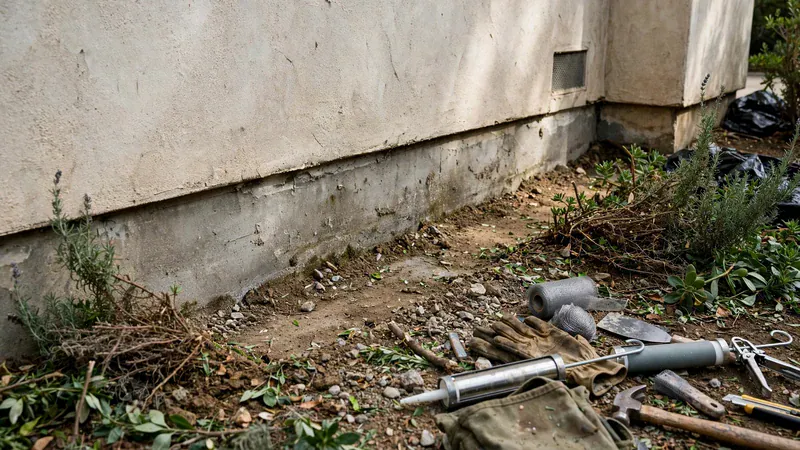
Six Sealing Mistakes That Fail Within Weeks
Most sealing failures trace back to a small set of habits. A rushed job skips the backing layer, a cheap job uses foam, and a careless job forgets the second side of a pipe gap. Rodents find these weak points within days or weeks. Use the list below to review any sealing plan before work begins, whether you hire PestPunt or another provider.
Sealing with animals inside
Trapped rodents chew new exits or die in the wall. Trap first.
Using foam alone
Rodents chew foam. Always use metal.
Blocking airflow
A solid cover over an attic or crawl space vent causes moisture problems.
Covering the dryer vent with mesh
Lint clogs mesh. Use a dampered cover.
Sealing one side only
Seal both the interior and exterior side of pipe gaps.
Skipping the recheck
Seals age and buildings settle. Recheck each season.
Frequently Asked Questions About Rodent Entry Point Sealing
Rodent entry point sealing closes the gaps that rats and mice use to enter a building. The work uses layers: backing, a metal barrier such as hardware cloth or sheet metal, and exterior-grade sealant.
Hardware cloth and sheet metal stop rodents because they resist gnawing. UC IPM recommends them for gaps larger than ¼ inch. Copper mesh and sealant support the barrier at pipes and edges.
Rodents chew through foam. Foam works only behind a metal barrier. Foam alone reopens quickly and can even serve as nesting material.
No. UC IPM notes that steel wool is only a temporary fix. We use backing material under a metal barrier and sealant so the seal lasts.
No. We screen vents with hardware cloth and leave the airflow open. We never cover attic or crawl space vents with a solid barrier.
We install a dampered metal cover. Fine mesh clogs with lint and can create a fire risk, so we avoid it on dryer exhaust.
Handle live rodents first. Sealing the last exit with animals inside creates new damage and odor. The CDC advises trapping for about a week after sealing to confirm that no rodents remain.
PestPunt serves neighborhoods such as San Pedro, Venice, Westchester, Van Nuys, Highland Park and Hyde Park, and our service area covers California statewide. Share your ZIP code when you call.
Final Takeaways
Sealing works when you use the right materials in the right order. Back the gap, cover it with metal, lock the edges with sealant, protect airflow and safety systems and handle live rodents first. A recorded recheck keeps the seal reliable over time.
To see how sealing fits into the whole project, return to our rodent exclusion services page. Call PestPunt at (888) 217-6759 to schedule on-site service.
Mobile Rodent Control Services
Close the Gaps Rodents Use
Call (888) 217-6759 and a PestPunt field representative will inspect your property and seal each opening.