Rodent Droppings Cleanup Service in Los Angeles
Safe removal of mouse and rat droppings, urine residue, and nesting material from attics, garages, kitchens, and more. Our mobile specialists follow CDC wet-cleaning methods and come to your property in Los Angeles County and surrounding areas.
Rodent Droppings Cleanup — At a Glance
What to do first: Stop dry cleaning, keep people and pets out, open doors and windows for 30 minutes, then assess how much waste there is.
Safe method: Wet the droppings with disinfectant, wait 5 minutes (or the label time), wipe with paper towels, bag them, and disinfect again.
Call a pro when: Droppings are in an attic, crawl space, or duct, insulation is soiled, or the infestation is heavy. CDC lists HEPA respirators and coveralls for those jobs.
Key takeaway: Cleanup only lasts if entry points are sealed and active rodents are removed first.
What a Rodent Droppings Cleanup Service Actually Does
Finding droppings in a pantry, garage, or attic means rodents have already been living there. A rodent droppings cleanup service deals with what they left behind: feces, urine residue, nesting material, and sometimes dead rodents. It is not the same job as pest control. An exterminator or exclusion crew stops the rodents. A cleanup crew removes the contamination and disinfects the space so it is safe to use again.
PestPunt is a mobile service. We do not run a storefront. Our field specialists travel directly to your Los Angeles property, look at the scope, and explain what needs to be removed, what can be disinfected in place, and what should be replaced.
Cleanup and Pest Control Work Best in Order
CDC advises trapping rodents and sealing entryways before cleaning, so new droppings do not appear right after you finish. If rodents are still active, tell us. We can pair cleanup with our rodent control in Los Angeles or our rodent cleanup and decontamination options.
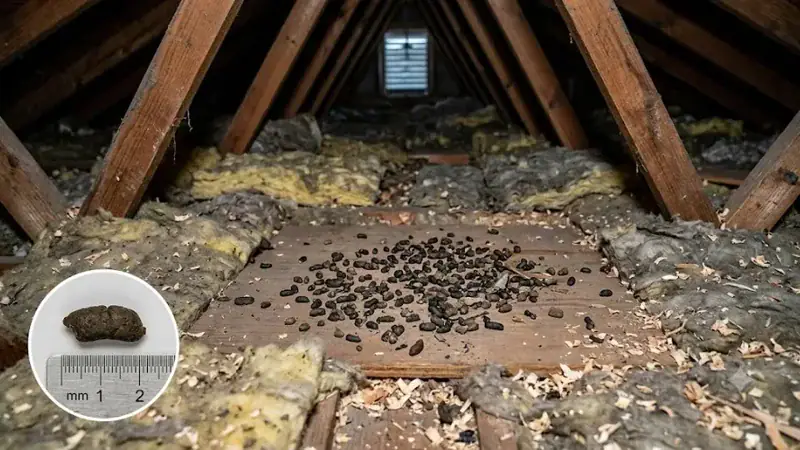
Found Droppings? What to Do in the First Hour
What you do in the first hour matters more than the product you choose. Follow these steps before you touch anything.
- Do not sweep, vacuum, or dust. Dry cleaning puts particles into the air you breathe. CDC's rodent cleanup guidance says the same.
- Ventilate and step out. Open doors and windows and leave the area for 30 minutes before you return.
- Keep children and pets out. Close the room if you can.
- Look at the scope. A few droppings on a shelf are a small job. A pile, a strong urine smell, or droppings in an attic or duct are not.
- Check for active rodents. Fresh, dark, shiny droppings and new gnaw marks mean rodents are still around.
If You Already Vacuumed or Swept
It happens often. CDC says to follow the same wet-cleaning steps afterward. Ventilate, wear gloves, and disinfect the area and the surfaces nearby. Empty or clean the vacuum outdoors, and do not use it again until the area is clean. Watch for flu-like symptoms over the following weeks and tell a doctor about the exposure if they appear.
Mouse, Rat, or Deer Mouse? What Droppings Can and Cannot Tell You
Droppings give useful hints. They are not proof of species, and you do not need to identify the animal to clean safely. Use size and shape as a starting point.
| Rodent | Droppings (approximate) | Where you often find signs |
|---|---|---|
| House mouse | Small, rod-shaped, roughly 1/4 inch or less | Kitchens, pantries, wall voids, garages |
| Roof rat | Pointed ends, roughly 1/2 inch | Attics, upper wall voids, rooflines, trees and fences |
| Norway rat | Larger and capsule-shaped, up to about 3/4 inch | Basements, ground floors, burrows near foundations |
Why Roof Rats Matter in Los Angeles
According to UC IPM Pest Notes: Rats, roof rats are climbers that prefer warm and coastal areas of Southern California. Due to our local climate, they typically nest in attics, wall voids, and ceiling voids rather than burrowing underground. They also show strong nest-site loyalty. If the nest site is not removed during sanitation, they tend to return. That is one reason attic cleanup and sealing belong together for LA properties.
What About Hantavirus?
Hantavirus gets the headlines, so here is the balanced picture. The California hantavirus fact sheet hosted by LA County Public Health states that deer mice are the only rodent known to carry hantavirus in California, and that rodents in urban and suburban homes are more likely house mice or roof rats. It also notes the risk for most Californians is extremely low. The CDC hantavirus overview adds that Seoul virus, carried by rats, exists in the U.S. as well. Droppings are hard to tell apart, and other illnesses such as salmonellosis and leptospirosis are also linked to rodent waste. So we treat every dropping the same way: wet it, remove it, and disinfect.
Rodent Droppings Cleanup Process: Step by Step
Every job follows the same order so exposure stays low from the first minute to the last. Scope changes the tools, not the method.
Assess and Confirm Activity
We inspect the area, estimate the amount of waste, and check for active rodents and open entry points. Cleanup works best after trapping and sealing, as CDC recommends.
Ventilate and Contain
Doors and windows are opened for ventilation, and the work area is separated from living space. Dust movement is kept low.
Put on Protective Gear
Gloves are used on every job. Heavy contamination calls for coveralls, boots, goggles, and a HEPA respirator, with fit testing where local requirements apply.
Wet and Disinfect
Droppings, urine spots, and nesting material are saturated with an EPA-registered disinfectant or a fresh bleach solution and left for 5 minutes or the label time.
Remove and Bag Waste
Waste is wiped up with disposable towels or bagged by hand, then sealed. Heavily soiled insulation and cardboard are removed instead of cleaned.
Sanitize and Treat Porous Items
Hard surfaces are mopped or wiped with disinfectant. Carpet and upholstery get steam cleaning or commercial disinfectant, and washable fabrics are laundered hot.
Where We Clean: Attics, Garages, Kitchens, and More
Attics and Crawl Spaces
Droppings, urine-soaked insulation, and nesting debris collect out of sight. Removal and replacement of contaminated insulation is common. See our attic rodent solutions page.
Garages, Sheds, and Outdoor Kitchens
Stored boxes, shelves, and outdoor cooking areas give rodents shelter. We remove waste, clean surfaces, and advise on what to discard.
Kitchens and Pantries
Mouse droppings in cabinets and drawers are the most common call. Food-contact surfaces are disinfected, and open food that was exposed should be thrown away.
Dead Rodent and Nest Removal
A dead rodent in a wall or ceiling adds odor and flea risk. Our dead rodent removal service covers locating, removing, and deodorizing.
Attic Cleanup in Los Angeles: Why It Is a Different Job
Attics are where heavy contamination usually hides. They are rarely checked, they stay warm, and the insulation is soft bedding for roof rats. Scratching or running sounds overhead at night are a common first clue.
CDC says contaminated insulation should be bagged for removal, and that people should stay upwind and keep dust away from the face when moving contaminated material outside. In practice, a proper attic job usually includes:
- Inspecting insulation for urine saturation and droppings volume
- Removing contaminated insulation instead of trying to disinfect it in place
- Disinfecting exposed framing, ductwork, and flooring
- Treating odor where urine soaked into porous materials
- Replacing insulation once the space is confirmed clean and sealed
If rodents reached your ducts, CDC recommends contacting a professional because duct cleaning has its own risks. Attic work also involves heat and weak ceiling drywall, so it is not a casual weekend task.
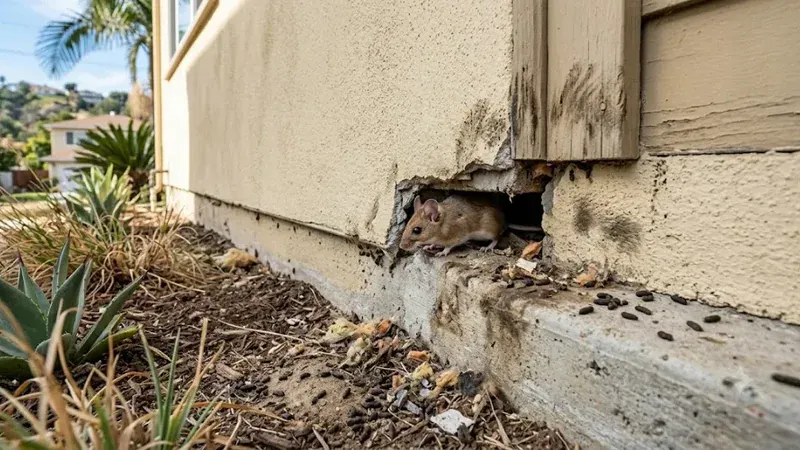
Can You Clean Up Rodent Droppings Yourself?
Sometimes, yes. A handful of droppings in one open, ventilated spot, such as a garage shelf, can be handled at home with the CDC method below. The decision comes down to scope and location.
The Safe DIY Method for Small Jobs
- Ventilate for 30 minutes, leaving the area while it airs out.
- Put on rubber or plastic gloves.
- Spray droppings with an EPA-registered disinfectant or a fresh bleach solution (1.5 cups of household bleach in 1 gallon of water) until very wet.
- Let it soak for 5 minutes or the label time.
- Wipe up with paper towels and place them in a covered trash can.
- Mop or sponge hard surfaces with disinfectant.
- Wash gloved hands, remove the gloves, then wash with soap and warm water.
Reasonable to DIY
- A few droppings in an open, ventilated area
- Hard surfaces you can wipe, like shelves and tile
- Rodent activity has stopped and entry points are sealed
Call a Professional When
- Droppings or nests are in an attic, crawl space, or duct
- Insulation, drywall, or carpet is soaked or heavily soiled
- You see large piles, strong urine odor, or ongoing activity
- Anyone in the home is immunocompromised or has breathing problems
CDC points out that heavy infestations call for coveralls, boots, goggles, and a HEPA half-mask respirator or powered air-purifying respirator. A paper dust mask does not do the same job. At that point the equipment and training are the reason people hire a service.
Health Risks of Rodent Droppings: What Is Real
Rodent waste can carry bacteria and viruses, and the main exposure routes are breathing contaminated dust and contact with droppings or urine. UC IPM Pest Notes: Rats lists typhus, leptospirosis, foodborne illness such as Salmonella, and rat-bite fever among rat-associated diseases. It also notes that rats and mice in California do not carry rabies.
Hantavirus Symptoms to Know
Per the CDC hantavirus overview, hantavirus pulmonary syndrome symptoms start 1 to 8 weeks after contact. Early signs are fatigue, fever, and muscle aches. Cough and shortness of breath follow 4 to 10 days later. CDC reports that 38 percent of people who develop respiratory symptoms may die, so early care matters.
When to See a Doctor
If you develop fever, body aches, cough, or trouble breathing in the weeks after cleaning, tell your doctor about the rodent exposure. Early symptoms resemble the flu, so the exposure history is what prompts the right questions.
What Cleanups Often Miss: Porous Materials, Odor, and Fleas
Visible droppings are only part of the contamination. These are the items people miss most often.
1. Porous Materials
Insulation, cardboard, and drywall absorb urine. CDC says to throw away cardboard boxes contaminated with urine or droppings, and to shampoo or steam clean carpets and upholstery. Hot-water laundering covers bedding, clothing, and stuffed animals.
2. Lingering Odor
If the smell stays weeks later, urine has likely soaked into something porous. Surface cleaning will not reach it. The source has to be removed or treated.
3. Fleas on Rodents
CDC notes fleas are common on rodents and suggests insect repellent on clothing, shoes, and hands when handling dead rodents or nests.
4. Open Entry Points
Cleaning without sealing leaves the door open for the next round. UC IPM advises sealing holes larger than 1/4 inch.
How to Keep Rodents From Coming Back
A clean space only stays clean if rodents cannot get back in. These steps follow UC IPM and CDC advice and fit Los Angeles homes.
- Seal gaps larger than 1/4 inch around pipes, vents, and foundations with hardware cloth, steel wool, or metal flashing. Never use lightweight chicken wire.
- Check above ground level. Roof rats climb, so rooflines, soffits, and attic vents need attention too.
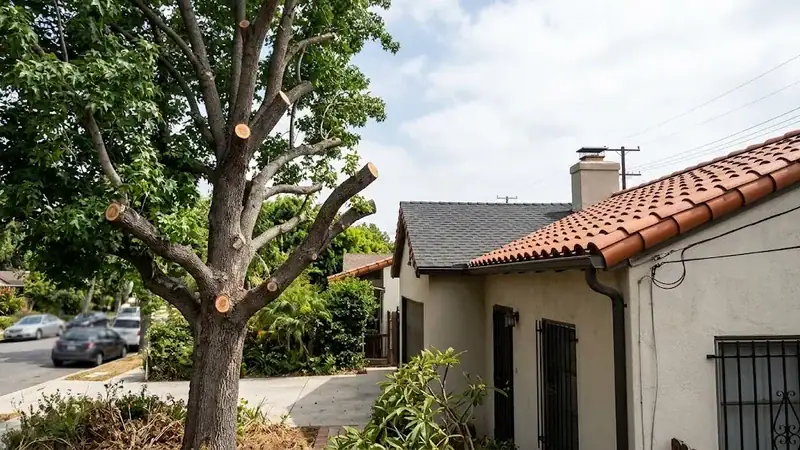
- Trim tree limbs so they stay at least 6 feet from the roof, per UC IPM.
- Thin dense ivy and climbing vines such as star jasmine and honeysuckle on fences and walls.
- Store pet food, birdseed, and pantry items in sealed containers, and remove fallen fruit and nuts from the yard.
- Replace cardboard storage in garages and attics with sealed plastic bins.
Rodent Droppings Cleanup Cost: What Affects the Price
Cleanup is not a flat-rate job, and published numbers vary widely, so we do not quote one here. Scope sets the price. A single cabinet and a full attic are different projects.
Area Size and Access
Open garage shelves are quick. Tight crawl spaces and attics take longer and need more protective gear.
Contamination Level
Scattered droppings cost less than saturated insulation or heavy nesting.
Materials to Remove
Insulation, cardboard, and drywall removal adds labor and disposal.
Odor and Decontamination
Urine in porous materials may need extra treatment beyond standard disinfection.
How to Compare Any Quote
Ask what is included: removal, disinfection, odor treatment, insulation replacement, and disposal. Ask whether the price covers sealing entry points or only cleanup. Ask what happens if more contamination is found. For us, defined pricing comes after we see the space, which is why we call (888) 217-6759 to start.
Common Mistakes With Rodent Droppings Cleanup
Sweeping or Vacuuming Dry
It lifts particles into the air. Wet the droppings first, every time.
Cleaning Before Rodents Are Gone
New droppings appear within days. Trap and seal first, then clean.
Skipping the Soak Time
Disinfectant needs about 5 minutes or the label time to work. Wiping immediately defeats the purpose.
Using Weak Protection
A paper mask is not a respirator. Heavy jobs need HEPA protection and fit testing.
Keeping Soaked Insulation
Disinfecting urine-soaked insulation rarely removes odor. Replace it.
Forgetting the Attic and Ducts
Roof rats nest overhead. Check the attic, and call a professional if ducts were reached.
Frequently Asked Questions About Rodent Droppings Cleanup
Do not sweep or vacuum. Ventilate the room for 30 minutes, wear rubber or plastic gloves, and spray the droppings with an EPA-registered disinfectant or a fresh bleach solution until very wet. Let it soak for 5 minutes or the label time, wipe with paper towels, put them in a covered trash can, then disinfect hard surfaces and wash your hands.
For a few droppings in an open, ventilated area, yes, if you wet them first and wear gloves. Attics, crawl spaces, ducts, heavy piles, and soaked insulation carry more exposure risk and need respirators and training. Those jobs are better left to a professional cleanup service.
Price depends on the size of the area, how heavy the contamination is, whether insulation or other materials must be removed, and whether odor treatment is needed. We provide defined pricing after seeing the space, because a small garage shelf and a full attic are very different jobs.
Yes, rodent waste can carry pathogens, and the main risk comes from breathing contaminated dust or touching droppings and urine. Conditions linked to rodents include salmonellosis, leptospirosis, and hantavirus. In California, deer mice are the only rodent known to carry hantavirus, but wetting and wiping is still the right method.
They inspect the space, contain the work area, and wear protective gear. They wet droppings and nesting material, bag and remove contaminated insulation, disinfect framing and surfaces, treat odor, and recommend sealing entry points so rodents do not return.
Droppings and urine can keep releasing particles when disturbed, and they cause lingering odor in insulation and other porous materials. They also continue to expose occupants, and they can attract fleas and other pests. Leaving them in place usually makes the later cleanup harder.
Not always. A few surface droppings may be handled with spot cleaning. If insulation is soaked with urine, full of nesting material, or heavily soiled, CDC advises bagging it for removal. Replacing it is the only way to remove odor and exposure risk reliably.
No. Bleach does not dissolve droppings. It disinfects them. CDC suggests 1.5 cups of household bleach in 1 gallon of water (1 part bleach to 9 parts water), made fresh, or an EPA-registered disinfectant. Spray until very wet, wait 5 minutes or the label time, then wipe up with paper towels.
Final Takeaways
Wet the droppings, never sweep or vacuum, and disinfect for the full soak time. Small jobs in open areas are reasonable to handle yourself with gloves and ventilation. Attics, ducts, heavy contamination, and soaked insulation need protective gear and a professional. Trap and seal first, because cleanup only lasts when rodents cannot return.
If you are unsure what you are looking at, call PestPunt at (888) 217-6759. Our field specialists travel directly to your Los Angeles property.
Mobile Rodent Control Services
Connect With a Rodent Cleanup Specialist in California
Droppings, urine, and nesting material need proper decontamination. Call (888) 217-6759 to talk through your situation and learn what cleanup would involve at your property.