
Rat-Bite Fever: Symptoms and Causes
Rat-bite fever is rare, but it can become serious when people miss it. This guide explains what causes it, how rats, and sometimes mice, spread it, which symptoms to watch for, what to do after a bite or scratch, and how California homeowners can lower the risk.
Rat-Bite Fever at a Glance
Cause: Streptobacillus moniliformis in North America. Spirillum minus causes most cases in Asia.
How it spreads: Bites, scratches, handling rodents, and contaminated food or drink. Person-to-person spread has not been reported.
Symptoms: Fever, chills, headache, vomiting, joint pain, and a rash that often starts on the hands and feet.
Best response: Wash the wound, call a doctor, mention the rodent contact, and remove rats from your property.
Rat-Bite Fever in Plain Language
Rat-bite fever, often shortened to RBF, is an infectious disease caused by bacteria that live in the mouths and throats of rodents. The CDC’s clinical overview describes two bacteria that cause RBF: Streptobacillus moniliformis and Spirillum minus. The first causes most cases in North America. The second causes most cases in Asia.
The name misleads people. You do not need a bite to get sick. The CDC notes that close contact with an infected rodent, or food and drink contaminated with the bacteria, can also lead to infection. Rodents that carry the bacteria usually look healthy.
How Rare Is It?
The CDC calls RBF rare in the United States. It is not a reportable disease in any state, so health agencies keep no complete count. Rarity does not mean you can ignore it. Doctors often miss RBF because its early signs look like the flu, and untreated cases can turn severe.
Why This Matters for Homeowners
Most Californians never see a rat bite. The more common risks are handling a trapped or dead rat, cleaning heavily contaminated areas, and eating food that rats touched. A homeowner who understands those routes can avoid them.

What Causes Rat-Bite Fever and How People Catch It
Four routes explain nearly every case. Each route needs a different precaution.
1. Bites and Scratches
A bite or scratch breaks the skin and gives the bacteria a path into the body. Rats bite when they feel cornered. Homeowners get bitten when they try to handle a trapped rat or corner one in a garage or attic.
2. Handling Infected Rodents Without a Bite
The CDC states that infection can result from handling a rat without any reported bite or scratch. Wear thick gloves any time you must touch a live trap, a dead rodent, or a nest.
3. Contaminated Food or Drink
Eating or drinking items contaminated with rat waste can cause a form of the illness called Haverhill fever. The CDC notes that this route may cause more nausea, vomiting, and sore throat. Throw out exposed food, as our guide on salmonella and rodent contamination explains.
4. Pet Rats and Rodent Workplaces
Recent case reports highlight pet rodents, pet stores, and research laboratories as exposure settings, and they point out a rising risk for children and teens who keep pet rodents. If you keep pet rats, wash your hands after every contact and avoid kissing or holding them near your face.
Rats, Mice, and Other Rodents
Rats cause most cases, but mice, gerbils, and other rodents can also carry the bacteria. A mouse problem deserves the same careful cleanup.
Rat-Bite Fever Symptoms to Watch For
Symptoms often start suddenly. In North America, the first signs usually appear within a few days to about two weeks after exposure.
Early Symptoms
- Fever and chills
- Headache and muscle aches
- Vomiting and nausea
- Sore throat in some patients
Rash and Joint Symptoms
A rash usually appears two to four days after the fever starts. It often shows up on the hands and feet, and it may look like flat or raised red or purple spots. Many patients also develop joint pain or swelling. These features help doctors recognize RBF when the patient mentions rodent contact.
Complications if Untreated
Untreated infection can lead to abscesses, joint infection, and other serious problems. A CDC report on two fatal cases states that the case-fatality rate for untreated patients is about 7% to 10%. Treatment changes that outlook, which is why quick medical attention matters.
How Rat-Bite Fever Usually Unfolds
This table shows a general pattern for the North American form. Every patient differs, and a doctor makes the diagnosis.
| Stage | Typical timing | What may happen | What to do |
|---|---|---|---|
| Exposure | Day 0 | Bite, scratch, handling, or contaminated food | Wash the area and note the date |
| Early illness | About days 3 to 10 | Fever, chills, headache, vomiting | Call a doctor and mention the rodent contact |
| Rash phase | 2 to 4 days after fever begins | Rash on the hands and feet, joint pain | Seek care without delay |
| Complications | If untreated | Joint infection, abscesses, severe illness | Emergency care when severe |
| Treatment | As soon as diagnosed | Antibiotics chosen by the doctor | Finish the full prescription |
The CDC notes that doctors diagnose RBF by growing the bacteria from blood or joint fluid, and that specimens work best when collected before antibiotics start. Your report of rodent contact helps them decide what to test.
Six Steps After a Rat Bite or Scratch
A rat bite or scratch needs prompt care, even when the wound looks small. Follow these six steps and then talk with a clinician.
Move Away From the Rat
Step back calmly and stop trying to handle the animal. Keep children and pets away from the area.
Wash the Wound for Several Minutes
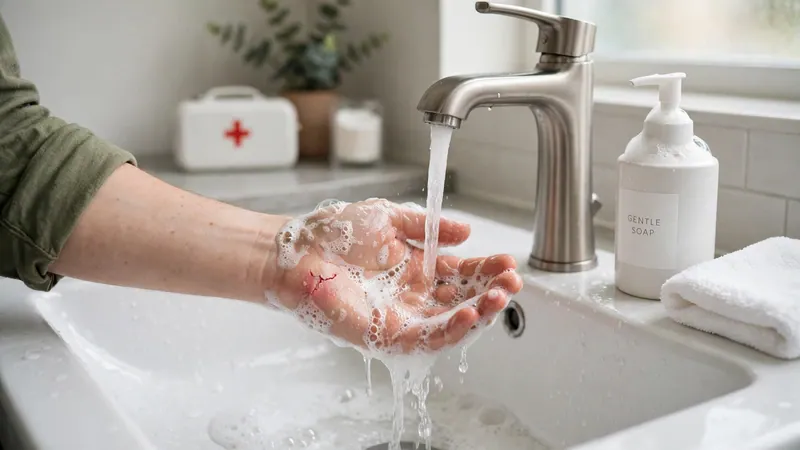
Wash the bite or scratch with soap and running water for at least five minutes. Let the water flow over the wound.
Control Bleeding and Cover the Wound
Press a clean cloth on the wound if it bleeds. Cover it with a clean dressing after washing.
Call Your Doctor or Urgent Care
Describe the bite, the date, and where it happened. Ask whether you need antibiotics, a tetanus update, or an exam.
Write Down the Details
Record the date, the animal involved, and any food or cleanup exposure. Notes help clinicians choose the right tests.
Watch for Fever, Rash, or Joint Pain
Check yourself daily for about two weeks. Return to your doctor if any symptom appears, even if the wound looks healed.
Who Faces a Higher Risk of Rat-Bite Fever?
Most people face a very low risk. A few groups meet rats more often or less safely.
Pet Rat Owners and Children
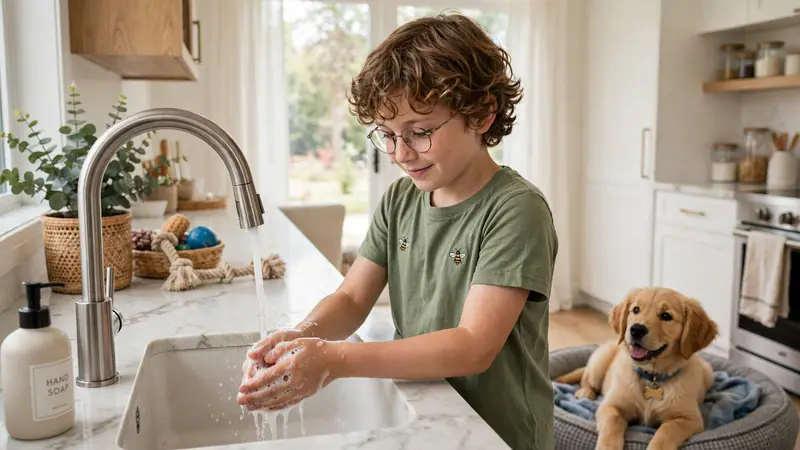
Children handle pets closely, kiss them, and forget to wash up. Teach children to wash their hands after every contact, and keep pet rodent cages out of kitchens and bedrooms.
Pet Store and Laboratory Workers
Workers who handle rodents every day need training, gloves, and strict hand hygiene. Employers should provide those basics.
Homeowners With Active Infestations
People who set traps, remove nests, and clean droppings meet rats at close range. They face bites, scratches, and contaminated surfaces. A trained field representative reduces that exposure.
People in Crowded or Unsanitary Housing
Heavy infestations raise the chance of contact and of food contamination. Property owners should treat the whole building and fix sanitation problems.
Anyone With a Weakened Immune System
Any infection can hit harder when the immune system is weak. Avoid direct rodent cleanup and ask a professional to do it.
Six Steps to Handle Rats and Rat Cleanup Safely
You can avoid most exposure by keeping distance, wearing protection, and cleaning with wet methods. See our guide to safe droppings cleanup for more detail.
Never Corner or Grab a Live Rat
A frightened rat bites. Call a field representative for live rats in attics, garages, and walls.
Wear Thick Gloves and Eye Protection
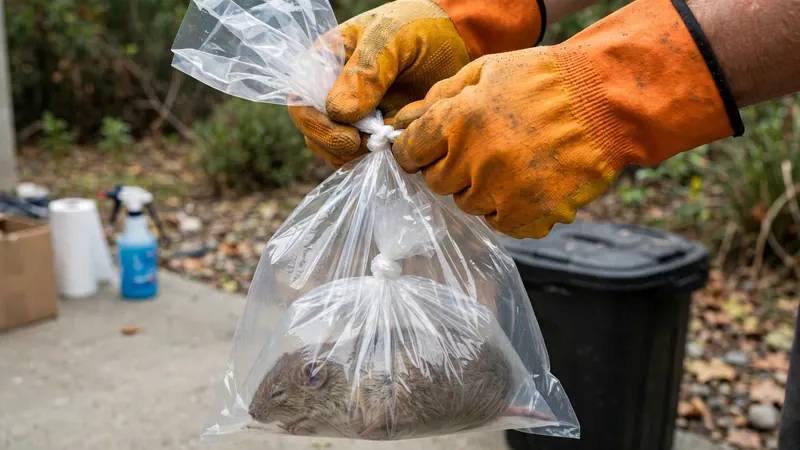
Use heavy gloves when you handle traps and dead rodents. Wear eye protection and closed shoes.
Wet the Area Before You Clean
Spray droppings, urine stains, and nests with disinfectant until they are soaked. Never sweep or vacuum dry material.
Bag Waste Twice and Remove It
Seal the dead rodent and cleanup materials in one bag, then place it in a second bag and throw it out.
Wash Hands Before You Eat or Touch Your Face
Wash your hands with soap and water after you remove your gloves. Do not eat, drink, or smoke during cleanup.
Remove the Cause
Seal entry points, remove food sources, and bring in a professional to eliminate the remaining rats.
Rat Removal Across California Neighborhoods
Our field representatives travel to the property and handle live rats, dead rats, and cleanup planning. Typical dispatch neighborhoods include:
- Los Angeles: Highland Park (90042), Echo Park (90026), Van Nuys (91401), Venice (90291), and Sherman Oaks (91403). See our professional rat removal services in California and the page for a Highland Park rodent exterminator.
- San Francisco and Oakland: Mission District (94110), Sunset District (94122), Richmond District (94118), and Rockridge (94618). See our San Francisco rodent pest control page.
- San Diego: North Park (92104), Pacific Beach (92109), and Ocean Beach (92107).
- Sacramento and the Central Valley: Midtown (95816), East Sacramento (95819), and the Tower District in Fresno (93728).
- San Jose and Long Beach: Willow Glen (95125), Downtown San Jose (95113), Belmont Shore (90803), and Bixby Knolls (90807).
Roof rats dominate many California neighborhoods with mature trees, such as Rockridge, East Sacramento, and Willow Glen. They climb fences, palm trees, and power lines to reach attics. We plan each visit to match the species and the building. Our locations page lists every area we serve.
Rat-Bite Fever Compared With Other Rodent Illnesses
Several illnesses share early symptoms such as fever and aches. This comparison helps you tell what each one involves.
| Illness | Typical route | Distinguishing clue | Key precaution |
|---|---|---|---|
| Rat-bite fever | Bites, scratches, handling, contaminated food | Fever with rash and joint pain after rodent contact | Avoid direct contact, wash wounds, seek care |
| Leptospirosis | Urine on broken skin or mucous membranes, contaminated water | Red eyes, muscle aches, possible jaundice | Gloves, boots, wet cleanup |
| Hantavirus | Breathing dust from droppings and nests | Cough and shortness of breath after early fever | Ventilate, never sweep or vacuum |
| Salmonella | Contaminated food and surfaces | Diarrhea and stomach cramps | Discard exposed food, wash hands |
For more detail, read about leptospirosis from rat urine and then continue to our guide on mouse droppings, asthma, and allergies.
When to Call a Professional for Rats
Rats are larger, smarter, and more cautious than mice, so a DIY approach fails more often. Use these lists to decide.
DIY May Work When
- You find a single dead rodent on a hard surface.
- You wear gloves and can wet-clean the spot.
- You can fix the entry point the same day.
- No one at home has a weakened immune system.
Call a Professional When
- You hear rats in the attic or walls.
- You find burrows, runways, or gnawed wires.
- A live rat sits in a trap or corner.
- Someone has been bitten or scratched.
- Rats return after you seal and clean.
Our team provides dead rodent removal and live rat control, and our attic rodent solutions address high-nesting roof rats. Browse the full list of PestPunt services.
A Rat Prevention Checklist for California Homes
The UC Integrated Pest Management program stresses that long-term control depends on sanitation and exclusion. Use this list to shut rats out of your home.
- Seal gaps larger than a quarter, especially around pipes, vents, and rooflines.
- Trim trees and shrubs that touch the roof or walls.
- Remove fallen fruit, pet waste, and bird seed from the yard.
- Keep trash in tightly lidded containers.
- Store pet food and pantry items in sealed containers.
- Fix leaking hose bibs, irrigation lines, and pipes.
- Stack firewood and stored items away from walls.
- Check the attic and garage every season for droppings and gnaw marks.
Read the UC IPM house mouse guide for more detail on exclusion materials and methods.

Six Mistakes That Raise the Risk
1. Handling a Live Rat Bare-Handed
You invite a bite and expose open skin. Call a professional instead.
2. Ignoring a Small Scratch
A scratch can carry bacteria. Wash it and call a doctor if you feel sick later.
3. Skipping the Rodent Detail
Doctors cannot test for what they do not know. Always report rodent contact.
4. Eating Exposed Food
Contaminated food and drink can cause illness. Throw out anything rodents touched.
5. Kissing or Cuddling Pet Rats
Close face contact spreads bacteria. Wash your hands after every handling session.
6. Treating Symptoms Without Seeing a Doctor
Fever, rash, and joint pain can signal serious infection. Get medical care early.
Frequently Asked Questions About Rat-Bite Fever
Rat-bite fever is a bacterial infection that people catch from rodents. In North America, Streptobacillus moniliformis causes most cases. You can catch it from a bite, a scratch, handling a rodent, or food and drink contaminated with rodent waste. Doctors treat it with antibiotics.
Symptoms include fever, chills, headache, vomiting, muscle and joint pain, and a rash that often appears on the hands and feet. The rash usually starts two to four days after the fever. Call a doctor if you feel sick after rodent contact.
Yes. The CDC states that handling an infected rat can cause infection with no reported bite or scratch. Contaminated food or drink can also cause it. Wear gloves, avoid direct contact, and wash your hands after any rodent exposure.
For the North American form, symptoms typically begin within about three to ten days. The Asian form can take seven to twenty-one days. Watch for fever, rash, and joint pain for at least two weeks after a bite or heavy exposure.
Person-to-person spread has not been reported. People catch the infection from rodents or contaminated food and drink. You can still protect household members by washing wounds, cleaning with wet methods, and removing rats.
It can be. The CDC reports a case-fatality rate of about 7% to 10% among untreated patients, and it can cause joint infection and abscesses. Prompt antibiotic treatment improves the outlook, so seek care early.
Doctors consider the patient’s symptoms and rodent contact, then confirm the diagnosis by growing the bacteria from blood, joint fluid, or other samples. Specimens work best before antibiotics start. Tell your doctor about any rodent exposure.
Remove rats, seal entry points, store food in sealed containers, and wear gloves for any cleanup. Wash your hands after contact with rodents or droppings. A PestPunt field representative can inspect your California property 24/7.
Final Takeaways
Rat-bite fever comes from bacteria that rodents carry. People catch it from bites, scratches, handling rodents, and contaminated food or drink. Symptoms include fever, vomiting, headache, joint pain, and a rash, and antibiotics treat it. Wash wounds, wear gloves, and tell your doctor about any rodent contact.
Prevent exposure by removing rats and sealing your home. Call (888) 217-6759 to schedule an inspection, then read our next guide on mouse droppings, asthma, and allergies.
Mobile Rodent Control Services
Let a Trained Team Handle the Rats
Call our team at (888) 217-6759 for a California on-site inspection. We will find how rats enter, remove them safely, and explain what to do next.