
Can Mouse Droppings Cause Asthma or Allergies?
Yes, they can contribute. Mice shed allergen proteins in urine, dander, and droppings, and research links those proteins to asthma symptoms and allergic reactions. This guide explains how the allergen spreads indoors, how to recognize symptoms, how to reduce exposure safely, and how to end the source.
Mouse Droppings, Asthma, and Allergies at a Glance
The trigger: Mouse urinary proteins and other allergens, not just the droppings you can see.
Who reacts: People who are sensitive to mouse allergen, especially children and those with asthma.
Typical signs: Sneezing, runny nose, itchy eyes, cough, wheeze, chest tightness, and asthma flare-ups.
Best fix: Remove the mice, seal entry points, wet-clean the area, and talk with your doctor about symptoms.
Yes: Mouse Allergens Can Trigger Asthma and Allergic Reactions
Mice do more than leave droppings behind. They also leave proteins that some people’s immune systems treat as threats. University of California pest guidance states that exposure to house mouse urinary proteins has been linked to early-onset asthma in sensitive children and to other allergic reactions later in life.
Researchers have also measured mouse allergen in many American homes. The first national survey of this problem found mouse allergen is associated with asthma symptoms in U.S. homes, not only in inner-city apartments. Allergen levels rise where mice live, and they stay in dust after the mice leave.
What This Does Not Mean
One dropping does not cause asthma. Most people who find mouse evidence do not develop new asthma. The risk grows with heavy, long-term exposure, and it matters most for people who already have asthma or allergies. If you worry about a child or a family member, bring it up with a doctor.
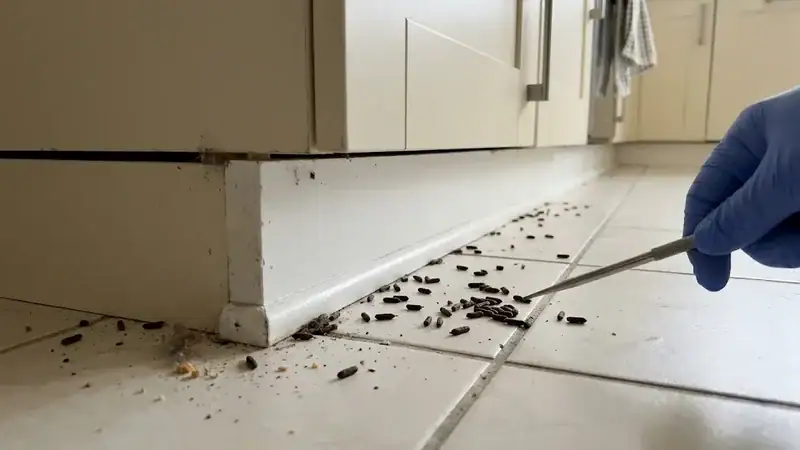
How Mice Trigger Symptoms: Droppings vs. Allergen
People often blame droppings alone. In fact, droppings are only part of the story. Understanding the difference helps you clean the right way.
Where Mouse Allergen Comes From
Mice shed allergens in their urine, hair, skin flakes (dander), saliva, and droppings. Male mice produce especially high amounts of one major urinary protein. Mice urinate in small amounts all day, so protein collects along runways, in nests, and on stored items.
Why the Allergen Travels
The particles are tiny and light. They settle in dust, cling to fabric, and drift back into the air when you move, vacuum dry dust, or disturb a nest. Once airborne, you can breathe them in and feel symptoms within minutes or hours.
Why You May Not See Mice
Studies of California housing found that detectable allergen was common, and a Los Angeles study noted that {X(LA, "allergen was not reliably predicted by rodent sightings")}. In plain terms, a home can hold mouse allergen even when no one has seen a mouse. Scratching sounds, droppings, and grease marks all deserve attention.
Droppings Carry Other Risks Too
Droppings and nests can also carry germs. The CDC explains that {X(HANTA, "wet cleaning protects you from hantavirus")}, which spreads when you breathe dust from deer mouse waste. Our guide on {A("cleaning-rodent-droppings-safety", "cleaning rodent droppings yourself")} covers that method in detail.
Mouse Allergy and Asthma Symptoms to Recognize
Symptoms vary from person to person. Some people react within minutes in a dusty garage. Others notice a slow rise in symptoms over weeks.
Allergy Symptoms
- Sneezing and a runny or stuffy nose
- Itchy, red, or watery eyes
- Itchy skin or a rash after touching contaminated items
- Scratchy throat and postnasal drip
Asthma Symptoms
- Wheezing or a whistling sound when you breathe out
- Coughing, especially at night or early in the morning
- Chest tightness
- Shortness of breath after cleaning or entering storage areas
A Pattern Worth Noticing
Ask yourself where symptoms get worse. If someone coughs more in the garage, the pantry, or a bedroom with scratching in the wall, mouse allergen may play a role. If symptoms ease when you leave the house, that clue also matters. Share the pattern with your doctor.
Who Reacts Most Strongly to Mouse Allergen?
Not everyone reacts the same way. Allergy depends on the immune system, so two people in the same house can feel very different symptoms.
Children With Asthma
Children spend more time on floors, in bedrooms, and near dusty corners. Their airways are smaller, and a flare-up can escalate faster. Researchers who study home allergens in city neighborhoods focus on children for this reason.
Adults With Existing Allergies
People who already react to dust mites, pollen, or pet dander often react to mouse allergen too. Their symptoms can seem like a year-round cold.
Workers Who Handle Rodents or Cleanup
Laboratory staff, pet store workers, and cleanup crews face repeated exposure. Employers should provide respirators, gloves, and training.
People Who Feel Fine Today
Some people develop sensitivity after months of exposure. If you start to cough, sneeze, or itch in a room with mouse evidence, do not wait for symptoms to settle on their own. Reduce exposure and talk with a doctor.
Allergy, Asthma, or Something Else? A Quick Comparison
Mouse exposure can lead to different problems. This table helps you describe symptoms accurately to a doctor, who makes the diagnosis.
| Condition | How it relates to mice | Typical signs | Next step |
|---|---|---|---|
| Mouse allergy | Immune reaction to mouse proteins | Sneezing, runny nose, itchy eyes, rash | Reduce exposure and ask an allergist |
| Asthma flare-up | Allergen irritates and inflames airways | Wheeze, cough, chest tightness | Follow your asthma plan and call your doctor |
| New or worsening asthma | Long-term exposure in sensitive people | Frequent night cough, repeated flare-ups | See a doctor and remove the source |
| Hantavirus illness (rare) | Breathing dust from certain wild rodents’ waste | Fever, aches, then cough and breathlessness | Seek urgent care and mention rodent exposure |
Related reading: our guides to leptospirosis from rat urine and rodent dander and indoor air quality explain two other ways rodents affect health at home.
Six Steps to Reduce Mouse Allergen While You Wait for Removal
You cannot finish the job until the mice are gone, but you can lower daily exposure now. These six steps help people with asthma and allergies.
Keep Sensitive People Out of Affected Rooms
Move children, and anyone with asthma or allergies, out of garages, attics, and storage rooms where you see signs.
Close the Bedroom Door
Keep activity out of sleeping areas. Move beds away from walls with scratching sounds.
Cover or Seal Stored Items
Place bedding, clothing, and papers in sealed plastic bins. Mice nest in stored fabric and paper.
Store Food in Sealed Containers
Use glass, metal, or thick plastic. Mice stay where food stays.
Follow Your Asthma Action Plan
Keep rescue medication nearby and take controller medication as your doctor directs. Call the doctor if symptoms increase.
Call for an Inspection
Arrange a visit from a trained field representative who can locate nests, runways, and entry points.

How to Clean a Room With Mouse Allergen, Step by Step
Wait to begin until the mice are gone and the entry points are sealed. Then use wet methods to avoid lifting allergen into the air.
Ventilate and Protect Yourself
Open windows for at least 30 minutes. Wear gloves, eye protection, and a fitted respirator, particularly if you have asthma or allergies. Better yet, ask someone without those conditions to clean.
Wet Droppings and Nests First
Spray droppings, urine stains, and nesting material with disinfectant until soaked. Never sweep or dry-vacuum them.
Wipe, Bag, and Remove
Wipe with disposable towels, seal the waste in a double bag, and throw it away.
Damp-Wipe Surfaces
Wipe shelves, baseboards, and counters with a damp cloth to pick up settled dust without lifting it.
Wash Fabrics and Discard Soaked Items
Wash bedding and clothes in hot water. Throw out soaked cardboard, paper, and insulation that you cannot clean.
Finish With a HEPA Vacuum, Then Wash Up
After wet cleanup, a vacuum with a sealed HEPA filter can capture remaining fine dust on floors. Wash your hands and change your clothes.

Mouse and Allergen Control Across California Neighborhoods
Housing style shapes the mouse problem. Older apartments, shared walls, and crowded storage rooms hold more allergen. Field studies, including one in Los Angeles, have examined mouse allergen in city homes with children who have asthma. PestPunt sends field representatives to these neighborhoods and many more:
- Los Angeles: Downtown (90013), Koreatown (90005), Eagle Rock (90041), Encino (91436), and Hollywood (90028). See our 24/7 Los Angeles rodent control page and droppings cleanup in LA.
- San Francisco and Oakland: Mission District (94110), Noe Valley (94114), Sunset District (94122), and Rockridge (94618). See our rodent pest control in San Francisco page.
- San Diego: Hillcrest (92103), North Park (92104), and Downtown (92101). See emergency rodent removal in San Diego.
- Sacramento and Fresno: Land Park (95818), Natomas (95834), Tower District (93728), and Fig Garden (93704). See rodent control in Sacramento.
- San Jose and Long Beach: Rose Garden (95126), Almaden Valley (95120), and Belmont Shore (90803).
Every visit starts with a plain conversation. We ask who in the home has asthma or allergies, which rooms feel worst, and when symptoms peak. That information shapes where we inspect first. View all areas on our locations page.
Where Mouse Allergen Hides After the Mice Leave
Allergen outlasts the animal. These spots hold it the longest.
Upholstered Furniture and Mattresses
Fabric traps fine particles. Mice sometimes nest inside box springs and sofas. Check seams and undersides, and wash or replace heavily soiled items.
Insulation and Wall Voids
Insulation soaks up urine and holds allergen for years. Heavy contamination often needs professional removal and replacement.
Cardboard Boxes and Paper
Paper absorbs urine and becomes a nest. Move important items to sealed plastic bins and discard soaked cardboard.
HVAC Ducts and Vents
Mice can enter ductwork. If you find droppings near a vent, or notice odors when the system starts, ask a professional to inspect the area before you run the system for long periods.
Kitchen Cabinets and Pantries
Droppings and urine collect behind food packages. Wash shelves with soap and water, then disinfect.
DIY Cleanup or Professional Help?
For households with asthma, the safest choice often favors professional help. Use these lists to decide.
DIY May Work When
- You see a few droppings in one hard-surface area.
- The person cleaning has no asthma or allergy.
- You can ventilate well and use proper gloves and a respirator.
- You can close every entry point the same day.
Call a Professional When
- Someone in the home has asthma or allergies.
- You hear scratching or find nests in walls or the attic.
- Insulation, boxes, or furniture have urine stains.
- Symptoms improve when you leave the house.
- Mice return after you clean.
Cleaning without removal fails, because new mice rebuild the allergen load quickly. Our same-day mouse removal and cleanup and decontamination services work together to end the source and restore the space. See all services.
A Prevention Checklist for Allergy-Sensitive Homes
The most effective step is exclusion. UC IPM calls it the most successful and permanent form of house mouse control, and it reduces allergen at the source.
- Seal every gap wider than a quarter inch with metal mesh and durable sealant.
- Install door sweeps on exterior doors and garage doors.
- Keep food in sealed containers and clean crumbs daily.
- Fix moisture problems that draw mice and encourage other allergens.
- Store clothing, bedding, and papers in sealed plastic bins.
- Keep the garage and attic clear of piles of cardboard.
- Check the home every season for droppings and gnaw marks.
- Ask your doctor or allergist about testing if symptoms continue.
Continue with our guide to rodent dander and indoor air quality for ideas on filters and ventilation.

Six Mistakes That Make Allergen Problems Worse
1. Dry Sweeping Droppings
Sweeping lifts allergen and germs into the air. Wet the material first.
2. Using a Regular Vacuum
A standard filter lets fine particles escape. Use only a sealed HEPA vacuum, and only after wet cleanup.
3. Waiting for a Sighting
Allergen can build up without any visible mouse. Act on droppings, noises, and symptoms.
4. Cleaning Before Removal
New mice rebuild the problem within days. Remove them and seal entry points first.
5. Letting Allergic Family Members Clean
Cleaning stirs up dust. Ask someone without asthma to clean, or hire a professional.
6. Ignoring Persistent Symptoms
Ongoing cough, wheeze, or itchy eyes deserve a doctor’s visit, not guesswork.
Frequently Asked Questions About Mouse Droppings, Asthma, and Allergies
Mouse allergens, which include proteins in urine, dander, and droppings, can trigger asthma flare-ups and have been linked to asthma in sensitive people. University of California guidance connects house mouse urinary proteins to early-onset asthma in sensitive children. Droppings alone do not cause asthma in everyone.
Common symptoms include sneezing, a runny or stuffy nose, itchy or watery eyes, itchy skin, and a scratchy throat. Some people also cough or wheeze. Notice which rooms trigger symptoms and share that pattern with your doctor or allergist.
Yes. Research in homes, including a Los Angeles study, found detectable mouse allergen that sightings did not predict reliably. Mice hide in walls and attics. Droppings, scratching, grease marks, and unexplained symptoms all point to a hidden problem.
Ask someone without asthma to clean, or hire a professional. Ventilate the room, wear gloves and a respirator, wet the droppings with disinfectant, wipe, and bag them. Never sweep or dry-vacuum. Use a sealed HEPA vacuum only after the wet cleanup.
A HEPA purifier can capture fine airborne particles, which may help, but it does not solve the source. Remove the mice, seal entry points, and clean the contaminated areas. Then use a purifier as a supplement if your doctor agrees.
They can be. Droppings and nests can carry germs, and certain wild mice can spread hantavirus through dust. Use wet cleaning, gloves, and good ventilation. Our guides on leptospirosis and salmonella cover other health risks.
Allergen can linger in dust, insulation, upholstery, and stored items for a long time after mice leave. Wet cleaning, discarding soaked materials, and washing fabrics reduce it. Heavy contamination often needs professional removal.
Call when someone has asthma or allergies, when you hear scratching in walls, or when you find urine-stained insulation, boxes, or furniture. PestPunt field representatives travel to your California property 24/7 to locate nests, remove mice, and seal entry points.
Final Takeaways
Mouse droppings can contribute to asthma and allergy symptoms, because mice shed allergen proteins in urine, dander, and droppings. The allergen settles in dust and lingers after the mice leave. You reduce exposure when you remove the mice, seal entry points, use wet cleanup, and follow your doctor’s advice on symptoms.
Call (888) 217-6759 to schedule an inspection, then read our next guide on rodent dander and indoor air quality.
Mobile Rodent Control Services
End the Allergen Source, Not Just the Symptoms
Call our team at (888) 217-6759 for a California on-site inspection. We will locate the mice, seal how they enter, and explain safe cleanup for sensitive households.