Are Deer Mice Dangerous to Have Around Your Home?
Deer mice can carry Sin Nombre hantavirus, which causes Hantavirus Pulmonary Syndrome. Learn how to identify them, how the virus spreads, and the exact steps to clean up and keep them out safely.
Are Deer Mice Dangerous? The Short Answer
Short answer: Yes. Deer mice can carry Sin Nombre hantavirus, which causes Hantavirus Pulmonary Syndrome (HPS). HPS is rare, but it can become life-threatening fast. The danger comes from breathing in dust contaminated by rodent urine, droppings or saliva. You can lower the risk by identifying the rodent correctly, cleaning without stirring up dust, sealing entry points, and trapping the mice quickly.
You hear scratching in the wall at night. You find droppings behind the water heater. Or you open a cabin door after winter and see shredded insulation. Your first question is probably the right one: is this a nuisance, or is it a health hazard?
This guide answers that question plainly. You will learn how deer mice differ from the mice most people find indoors, how hantavirus spreads, what the symptoms look like, and exactly how to clean up and protect your home. The advice follows public health guidance from the California Department of Public Health and the Centers for Disease Control and Prevention, and it is current for 2026.
What Is a Deer Mouse?
The deer mouse (Peromyscus maniculatus) is a native North American rodent. It lives in forests, grasslands, chaparral, deserts and brushy edges across California. It is a wild species, not a typical city pest, but it readily moves into sheds, garages, cabins, attics, crawl spaces and homes near open land.
How to Identify a Deer Mouse
Look at the whole animal, not just its size. Deer mice and house mice are close in body length, so size alone misleads. Check these traits:
- Two-toned coat: The back is gray to brown. The belly and feet are white.
- Large, thinly furred ears: The ears look big relative to the head.
- Large, dark eyes: The eyes bulge slightly.
- Bicolored tail: The tail is darker on top and paler underneath, and it is covered with fine hair.
- Body length: Expect about 2.5 to 4 inches without the tail.
| Feature | Deer mouse | House mouse |
|---|---|---|
| Belly color | Clear white | Gray or light buff, with little contrast |
| Ears and eyes | Large, dark eyes; big ears | Smaller eyes; rounder, proportionate ears |
| Tail | Two-toned, finely haired | Uniform color, nearly hairless |
| Typical habitat | Wild or semi-wild areas, outbuildings, rural homes | Homes, businesses and cities |
| Hantavirus (Sin Nombre) risk | Known carrier | Not a known carrier of Sin Nombre virus |
Identification matters because the health risk differs. If you want a deeper side-by-side, read our guide on field mice vs. house mice. It explains how location, behavior and droppings help separate the species.

Where Deer Mice Nest Around Homes
Deer mice prefer quiet, cluttered, low-traffic spaces with insulation or fabric they can shred. Common nesting spots include:
- Wall voids and attic insulation
- Detached garages, sheds and workshops
- Woodpiles stacked against the house
- Stored boxes, old vehicles and seldom-used RVs
- Vacation cabins that sit empty for months
- Crawl spaces with gaps in the foundation vents
Seasonal changes push them indoors. Cold weather, wildfire disruption and dry spells all send rodents looking for food and shelter. Homes that border wildland, canyons, orchards or open fields see the most activity.
Why Are Deer Mice Dangerous? Understanding Hantavirus
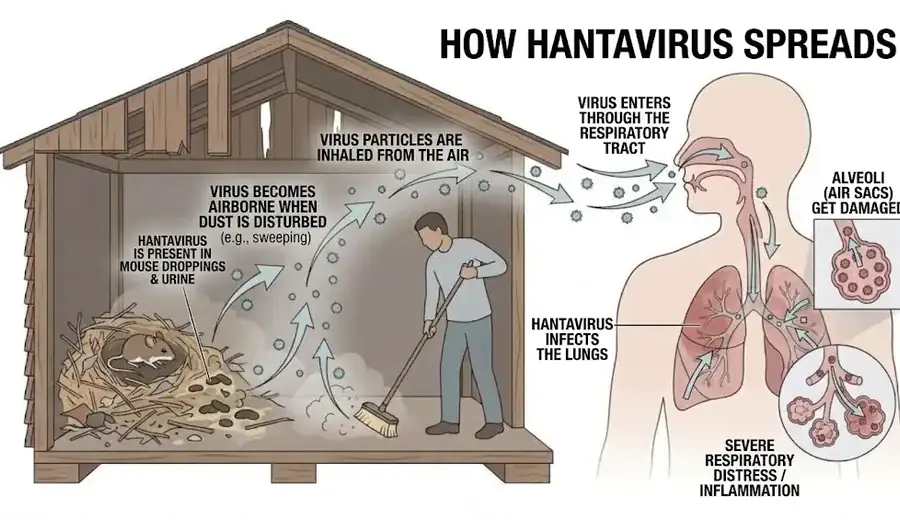
Deer mice are dangerous because they are the main carrier of Sin Nombre virus in California. The virus does not seem to make the mouse sick. The mouse sheds it in urine, droppings and saliva, and people can become seriously ill when they inhale contaminated particles.
How Common Is Hantavirus in Deer Mice?
Most deer mice do not carry the virus, and the share varies by region and year. Public health surveillance in California has found evidence of Sin Nombre virus in roughly 10 to 15 percent of tested deer mice in recent years. Some local trapping studies after human cases have found higher rates, so a nearby case raises the risk for that area. The CDPH reports that California sees only a few human cases in a typical year.
Important: You cannot tell an infected mouse from a healthy one by looking at it. Treat every deer mouse, nest and dropping pile as potentially contaminated.
How Hantavirus Spreads to People
Hantavirus does not spread through casual contact between people in the United States for Sin Nombre virus. You catch it from rodents or their waste. The main routes are:
- Inhaling aerosolized particles. Dry urine, droppings and nesting material break into dust when disturbed. Sweeping, vacuuming, opening a sealed cabin or moving stored boxes can launch that dust.
- Touching contaminated surfaces, then your face. Virus on your hands can reach your nose or mouth.
- Eating contaminated food. Mice that walk across counters and open packages leave waste behind.
- Bites or scratches. This route is rare, but it can happen when you handle a live or trapped rodent.
Enclosed, poorly ventilated spaces raise the risk because virus particles stay concentrated. That explains why many cases link to cabins, sheds, barns and garages rather than open-air exposure.
Hantavirus Pulmonary Syndrome: Symptoms and Timeline
HPS begins like the flu, which makes it easy to miss. Symptoms usually start one to eight weeks after exposure, so you may not connect the illness to a cleanup you did weeks earlier.
Early symptoms (first few days)
- Fever and chills
- Deep muscle aches, especially in the thighs, hips, back and shoulders
- Headache and fatigue
- Nausea, vomiting, diarrhea or stomach pain in some people
Late symptoms (4 to 10 days after the first signs)
- Coughing and shortness of breath
- Chest tightness, as if a band is squeezing the chest
- Fluid filling the lungs
Seek emergency medical care right away if you have a fever plus breathing trouble and you have recently been around rodents or rodent droppings. Tell the doctor about the exposure. Early hospital care improves the chance of recovery, and there is no specific cure, so supportive treatment in intensive care makes the difference. The CDPH notes that about one in three California HPS cases has been fatal, which is why prevention matters so much.
Other Ways Deer Mice Harm Your Home and Health
Hantavirus gets the headlines, but deer mice cause everyday damage too. Understand the full picture so you can judge how urgent your situation is.
Property Damage
- Insulation and wiring: Mice shred insulation for nests and gnaw wires. Chewed wiring creates a fire risk.
- Stored items: They destroy cardboard, upholstery, clothing, papers and holiday decorations.
- Vehicles and equipment: Mice nest in engine bays, air filters and RV interiors, and they chew hoses and wire harnesses.
- Stored food and pet feed: They contaminate grain, seed and pantry staples.
Contamination and Secondary Health Concerns
- Food contamination: Droppings and urine can foul anything they touch.
- Allergens: Rodent dander and dried waste can aggravate asthma and allergies.
- Parasites: Mice can carry fleas, ticks and mites into your living space.
- Other pathogens: Wild rodents can spread bacteria such as Salmonella through contaminated surfaces and food.
Who Faces the Highest Risk?
Anyone can be exposed, but certain situations raise the odds:
- Cabin and second-home owners. Closed buildings let waste dry and accumulate.
- Homeowners near open land. Foothill, mountain, desert-edge and rural properties have more wild mouse pressure.
- People cleaning sheds, barns, garages and crawl spaces. Dusty cleanups cause many exposures.
- Campers and hikers. Rodent-visited shelters, bunks and trail cabins can be contaminated.
- Workers in construction, pest control, utilities and ranching. They often enter rodent-infested spaces.
Households in dense urban areas more often deal with house mice or rats, which are not known carriers of Sin Nombre virus. Even so, a correct identification should come first, because pest type decides your cleanup precautions and removal plan.
How to Clean Up Deer Mouse Droppings Safely
Never dry-sweep, dry-dust or vacuum rodent droppings. Those actions are the classic path to inhaling virus-laden dust. Follow this wet-cleaning method instead, which matches CDC and CDPH guidance.
Step 1: Ventilate Before You Enter
Open doors and windows for at least 30 minutes before you go in. Leave the space while it airs out. Keep pets and children away.
Step 2: Gear Up
- Rubber, latex or nitrile gloves
- Protective eyewear
- A well-fitted respirator rated N95 or better for heavily contaminated or enclosed areas
- Disposable coveralls and shoe covers for large infestations
Step 3: Wet Everything Down
Spray droppings, nests and dead rodents with a household disinfectant or a bleach solution made with one part bleach to nine parts water. Soak the area thoroughly and let it sit for five minutes, or follow the label’s contact time.
Step 4: Wipe, Do Not Sweep
Pick up wet material with paper towels. Place it in a sealed plastic bag, then place that bag in a second bag. Dispose of it in your regular trash according to local rules.
Step 5: Disinfect Surfaces
Mop floors with disinfectant. Wipe counters, shelves, tools and storage bins. Wash bedding and fabrics in hot water. Steam-clean carpets and upholstery.
Step 6: Remove Gear and Wash Up
Disinfect your gloves while you are still wearing them, remove them carefully, then wash your hands with soap and water for at least 20 seconds. Wash your work clothes separately.
When to call a professional instead
Call an expert if you find a large accumulation of droppings, extensive nesting in insulation, rodents in ducts or wall voids, or any contamination inside an attic or crawl space. Insulation cleanup and attic work are the hardest places to avoid disturbing dust.
How to Get Rid of Deer Mice and Keep Them Out
Effective control follows a sequence: inspect, trap, seal, sanitize and prevent. Skipping the sealing step is the most common reason mice return.
1. Inspect for Entry Points
Mice squeeze through openings about the size of a pencil or a dime. Walk the exterior and look for gaps around:
- Utility lines, pipes, vents and cable entries
- Garage door bottoms and weather stripping
- Foundation cracks and crawl-space vents
- Roof edges, soffits and gable vents
- Dryer vents and chimney flashing
2. Trap Before You Seal Everything
Use snap traps. Public health agencies, including the CDPH, recommend snap traps because glue boards and live traps leave a live, stressed animal that can shed virus. Set traps along walls, behind appliances and near droppings. Place them perpendicular to the wall so the trigger end touches it. Use a pea-sized amount of peanut butter as bait. Wear gloves, and spray each caught mouse and trap with disinfectant before disposal.
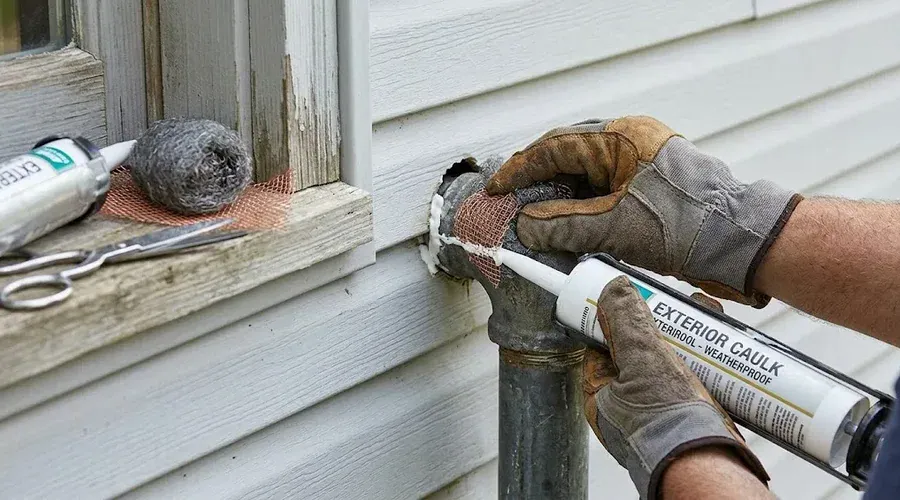
3. Seal Gaps Permanently
Plug openings larger than a quarter-inch with materials mice cannot chew through:
- Steel wool or copper mesh pressed tightly into gaps, then covered with caulk
- Hardware cloth or sheet metal over larger holes and vents
- Door sweeps on garage and exterior doors
- Cement or mortar for foundation cracks
4. Remove Food, Water and Shelter
- Store pantry food, pet food and birdseed in sealed metal or thick plastic containers.
- Fix leaky outdoor faucets and irrigation lines.
- Stack firewood at least 18 inches off the ground and away from walls.
- Trim vegetation and keep branches away from the roof.
- Clear clutter from garages, sheds and storage rooms.
5. Avoid Ineffective Shortcuts
Ultrasonic repellers, mothballs and scent deterrents have weak, inconsistent results against established mice. Poison baits can also drive mice into walls, where they die and cause odor and further cleanup hazards. For guidance on integrated pest management, review University of California Integrated Pest Management resources.
Seasonal Prevention Checklist for Californians
| Season | Priority actions |
|---|---|
| Fall | Seal exterior gaps, move firewood away from walls, and clear garage and shed clutter before cold weather pushes mice indoors. |
| Winter | Check traps weekly, inspect attics and crawl spaces for chewed insulation, and store pet food securely. |
| Spring | Air out sheds and cabins before entry, wet-clean any droppings, and repair damage from winter nesting. |
| Summer | Trim vegetation, fix irrigation leaks, and check RVs, trailers and stored vehicles before trips. |
Cabin, Shed and Seasonal Home Safety
Properties that sit empty carry the most concentrated risk. Before you enter after a long closure:
- Open doors and windows and leave for at least 30 minutes.
- Look for droppings, nests and chewed material from the doorway first.
- Wet-clean as described above before you unpack, sweep or open furniture.
- Check the stove, drawers, mattresses and cabinets, which mice often use as nesting sites.
- Leave cabinet doors and drawers open during storage, and keep food in rodent-proof containers.
If you rent out a cabin or manage a seasonal property, document your cleaning steps and post simple instructions for guests. Clear communication reduces risk for everyone.
Common Mistakes That Increase Exposure
- Sweeping or vacuuming droppings. It aerosolizes the dust.
- Assuming a clean-looking home is safe. Nests sit in attics, walls and stored boxes where you rarely look.
- Handling dead mice with bare hands. Always wear gloves and disinfect first.
- Using glue traps or live traps. They keep a living animal near you.
- Cleaning without sealing. New mice replace the old ones within days.
- Ignoring delayed symptoms. Flu-like illness within eight weeks of rodent exposure deserves a doctor visit.
When to Call a Pest Professional
You can handle a single mouse in a garage with traps and careful cleaning. Bring in help when the situation exceeds safe DIY limits:
- You see mice during the day, which signals a larger population.
- Droppings are widespread or you smell strong ammonia-like odors.
- You hear activity in walls, ceilings or ducts.
- You cannot find how mice get in.
- Someone in the household is pregnant, elderly, immunocompromised or has a lung condition.
- Previous trapping and sealing did not stop the problem.
What a Professional Visit Should Include
- Species identification, so you know whether you face deer mice, house mice or rats.
- A full exterior and interior inspection for entry points and nesting areas.
- A written explanation of what the inspector finds and recommends.
- Snap-trap placement and monitoring rather than reliance on poison.
- Exclusion work that seals gaps with durable materials.
- Clear guidance on sanitation and follow-up.
PestPunt is a California Service Area Business. We dispatch field representatives directly to your property across the state. We do not operate a walk-in office, so every visit happens where the problem is.
Frequently Asked Questions About Deer Mice
Are deer mice dangerous to pets?
Deer mice can carry fleas and ticks that bite pets. Cats and dogs do not typically become ill from Sin Nombre virus, but they can carry rodents, parasites or contaminated material into the home. Keep pet food sealed and remove dead rodents with gloves.
Can deer mice climb walls and enter attics?
Yes. Deer mice climb well and jump, so they reach rooflines, vents and attics. Seal high entry points as carefully as ground-level gaps.
Do deer mice bite?
They bite only when handled or cornered. Avoid touching live or dead mice with bare hands. If a bite occurs, wash the wound with soap and water and contact a healthcare provider.
Are deer mouse droppings different from house mouse droppings?
The two look similar: small, dark and rice-shaped. Droppings alone are not a reliable identification method. Use the animal’s appearance and the location to decide, and take the same precautions either way.
Can hantavirus spread from person to person?
Sin Nombre virus, the strain found in California, does not spread easily between people. Exposure comes from infected rodents and their waste. The CDPH has also stated that Andes virus, a different hantavirus, is not found in California.
Do I need to worry if I only saw one mouse?
One mouse often means more. Check for droppings and nests, set snap traps, and seal entry points. Treat the area with precautions until you are sure.
How fast can a deer mouse problem grow?
Mice reproduce quickly when they have food and shelter. A small group can grow into a large infestation within a few months. Acting early saves cleanup effort and reduces exposure.
Is it safe to stay in my home during treatment?
In most cases, yes. Follow your technician’s instructions, keep children and pets out of cleanup zones, and avoid disturbing droppings before they are wet-cleaned.
Key Takeaways
- Deer mice can carry Sin Nombre hantavirus, but most do not. Treat all of them as potentially infected.
- The main danger is inhaling dust from dried droppings, urine or nests.
- Identify the rodent by its white belly, big ears and two-toned tail.
- Ventilate, wear protection and wet-clean. Never sweep or vacuum.
- Use snap traps, seal gaps larger than a quarter-inch, and remove food and shelter.
- Get medical help fast if you develop fever and breathing trouble after rodent exposure.
- Call a professional for large infestations, attic or wall contamination, or high-risk households.
California Statewide Deer Mouse Control
Need Help With Mice at Your Property?
Deer mice carry a serious health risk, and safe cleanup matters. Contact our team at (888) 217-6759 to schedule a species identification, entry-point survey and tailored exclusion plan.