Get Mice Out Fast: Same-Day Rodent Removal in California
Scratching in the walls, droppings in the kitchen, or chewed wires behind the stove all mean mice are already settled in. PestPunt dispatches technicians directly to your property to inspect, remove the mice, seal the entry points, and clean up, with same-day arrival offered where scheduling allows.
How Same-Day Mouse Removal Works — At a Glance
Bottom Line & Key Takeaways
Call: Describe the signs and your location. Dispatch confirms the earliest arrival available for your area.
Inspect: A technician checks the attic, crawl space, walls, garage, and exterior to find activity trails and entry points.
Remove and seal: Traps reduce the population while hardware cloth, metal, and cement-based fillers close the gaps mice use.
Verify: A follow-up visit confirms activity has stopped, and cleanup removes droppings and nesting material safely.
What Same-Day Mouse Removal Actually Includes
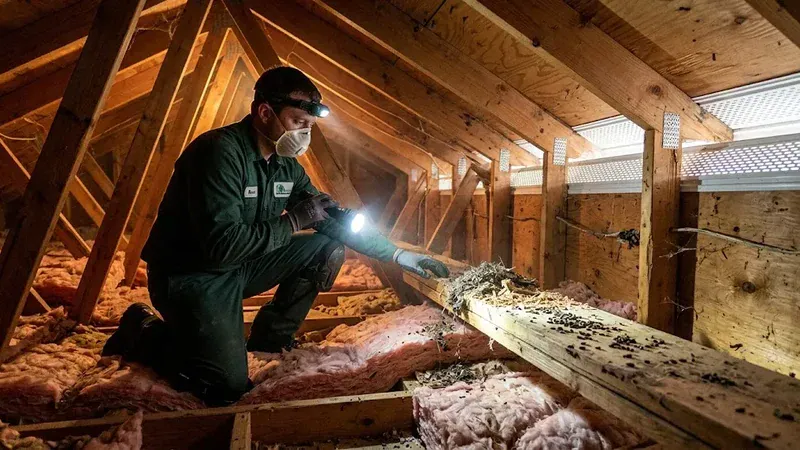
Same-day service is about speed to the first visit. It is not a promise that every mouse disappears by nightfall. A good removal job has four parts, and the first visit starts all of them: inspection, population control, exclusion, and cleanup. Skipping any one of them is the most common reason mice return.
The Four Parts of a Complete Removal
- Inspection: The technician walks the whole property, inside and out, to locate activity, nests, food sources, and every entry point.
- Population control: Traps and, where appropriate, tamper-resistant bait stations reduce the mice already inside.
- Exclusion: Gaps larger than ¼ inch get sealed with materials mice cannot chew through.
- Cleanup and follow-up: Droppings and nesting material are removed safely, and a return visit checks that activity has stopped.
What “Same-Day” Depends On
Arrival time depends on where you live, what time you call, and how many technicians are on the road. Dispatch covers the whole state, so a call from a dense metro area is often easier to schedule quickly than one from a remote foothill community. When you call, the dispatcher will tell you the earliest window available for your address instead of guessing.
Calling earlier in the day usually gives you more scheduling options. If same-day arrival is not possible where you are, you will hear that on the phone and get the next available visit.
Who This Service Is For
This service fits homeowners, renters, landlords, and small commercial properties dealing with house mice. If you suspect larger rodents, our rat removal service covers roof rats and Norway rats, which need different traps and sealing materials.
Why Mice Cannot Wait: The Cost of Delay in California
Every day of delay gives the mice more time to nest, breed, and damage your home. According to UC IPM house mouse guidance, house mice with steady food and shelter can reproduce year-round, which is why populations can stay high for months or even years once they settle in.
How Fast a Small Problem Grows
The numbers explain the urgency. A female house mouse can have 5 to 10 litters in a single year, with about 5 or 6 pups per litter. Pups are born 18 to 21 days after conception, and they become sexually mature about 5 to 6 weeks after birth. Two mice in October can turn into a full infestation well before spring.
California’s mild climate removes the winter slowdown that limits mice in colder states. Homes from San Diego to Sacramento offer warmth, food, and shelter for much of the year, so activity rarely pauses. UC IPM also notes that outdoor mice often move into buildings in autumn when nighttime temperatures drop.
Damage You Can See and Damage You Cannot
- Chewed wiring: UC IPM reports that gnawing on electrical wires and gas lines is a real hazard, and many fires of unknown origin are believed to be caused by rodents chewing wires.
- Contaminated food: A mouse eats up to 20% of body weight daily in about 200 small meals each night, and it leaves droppings and urine along the way.
- Insulation and stored items: Nests are built from finely shredded paper and fibrous material, so boxes, insulation, and fabric get shredded.
- Allergens: House mouse urine is a major source of allergens, and exposure has been linked to early-onset asthma in sensitive children.
Signs You Need Mouse Removal Now
Most people never see the mouse. They notice the evidence first. If you recognize two or more of the signs below, treat it as an active infestation and call for an inspection instead of waiting to see whether it resolves.
Sounds at Night
Mice are mostly active at night, so scratching, scurrying, and squeaking inside walls or above ceilings usually start after dark. Gnawing sounds come in short, repeated bursts. Sounds in the ceiling often point to the attic, while sounds low in a wall often point to a kitchen, laundry room, or garage wall.
Droppings and Urine
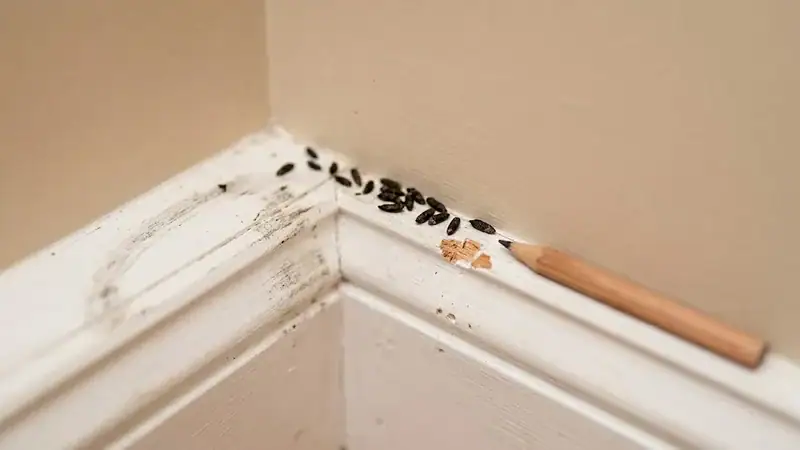
Mouse droppings are small, dark, and pointed at the ends, about the size of a grain of rice. Fresh droppings are dark and soft, while old droppings turn gray and crumble. Look along baseboards, inside cabinets, under sinks, and behind appliances. Heavy clusters usually mark a feeding area or travel route.
Gnaw Marks and Rub Marks
Fresh gnawing leaves pale, clean edges on wood, cardboard, and plastic. Mice also follow the same paths along walls, and their oily fur leaves dark smudges along baseboards and pipes.
Nests and Odor
Nests are loose balls or cups of finely shredded material in sheltered places such as behind boxes, in drawers, in garages, and around woodpiles. A musky odor is common in larger or longer-running infestations. A sharp rotting smell instead points to a dead mouse in a wall or attic.
Chewed Packaging and Pet Reactions
Torn cereal boxes, chewed bread bags, and gnawed pet food sacks are classic signs. Dogs and cats often stare, paw, or sniff at one spot where mice travel. For a deeper look at nest locations, read our guide on how to find a mouse nest in walls or attic.
What to Do (and Not Do) While You Wait for the Technician
A few simple steps before the technician arrives help the inspection go faster and protect your household. None of them requires special equipment.
Helpful Steps
- Note where you heard, saw, or smelled signs, and roughly what time of day.
- Take photos of droppings, gnaw marks, or damage without touching them.
- Clear access to the garage, under-sink cabinets, attic hatch, and crawl space entrance.
- Put pet food, birdseed, and dry goods into sealed metal or thick plastic containers.
- Keep children and pets away from any area with droppings or nesting material.
- Write down any questions about pricing, materials, or pet and child safety.
Things to Skip
- Do not sweep or vacuum droppings. This sends contaminated particles into the air.
- Do not remove a nest before the mice are controlled. This scatters adults and can send mice into new parts of the house.
- Do not set several poison products on your own. Poison can cause mice to die inside walls and creates risks for children, pets, and wildlife.
- Do not rely on ultrasonic repellers. UC IPM states that there is little evidence that sound, magnetic, or vibration devices drive established mice out of buildings.
How Same-Day Mouse Removal Works, Step by Step
Each job follows the same six steps. The order matters, because removing mice without sealing the building only creates a short break before the next group arrives.
Call or Request Service
Call dispatch at (888) 217-6759 any day of the week. Describe what you see or hear and share your address. Dispatch confirms the earliest arrival window available for your area.
Technician Arrives
A field technician comes to your property with inspection and control equipment on board. PestPunt operates as a Service Area Business, so technicians travel to you and there is no office visit.
Full Inspection
The technician checks the attic, crawl space, garage, kitchen, and exterior. They look for droppings, gnaw marks, rub marks, nests, and gaps, and they document entry points and travel routes.
Custom Treatment Plan
The plan reflects how severe the activity is, how the property is built, and who lives there, including children and pets. You review the plan and the written price before work begins.
Trapping, Exclusion, and Cleanup
The team places traps along walls and travel routes, seals entry points with materials mice cannot chew, and removes nesting material and droppings using wet-cleanup methods.
Follow-Up and Verification
A follow-up visit checks traps, looks for fresh droppings, and confirms the sealed points are holding. Ask about the service warranty on exclusion work, which is explained in your written estimate.

How We Seal Mice Out: Exclusion That Lasts
UC IPM calls exclusion the most successful and permanent form of house mouse control. Exclusion is what separates a lasting fix from a temporary one.
Find Every Gap Over ¼ Inch
Mice can squeeze under gaps ¼ inch tall and through openings about 3/8 inch wide. The technician checks the full exterior, including the foundation, rooflines, vents, garage door seals, and utility lines.
Choose Materials Mice Cannot Chew
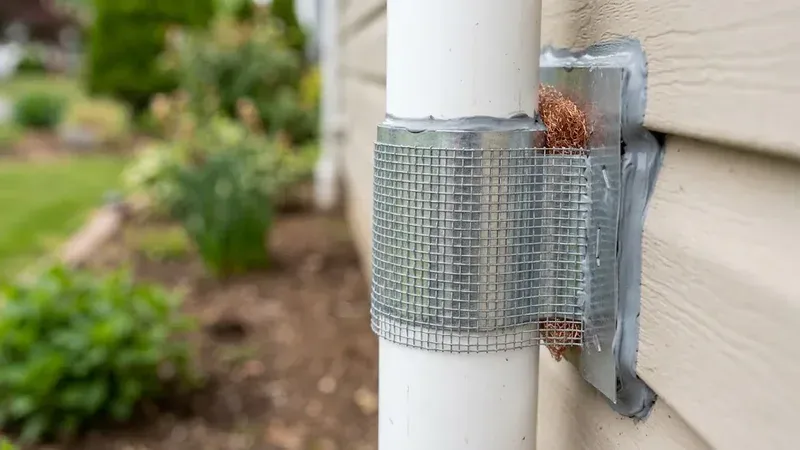
Hardware cloth, sheet metal flashing, coarse steel wool combined with sealant, and cement or metal fillers hold up. UC IPM notes that plastic, rubber, vinyl, wood, and expanding foam are ineffective because mice gnaw through them.
Seal Pipes, Cables, and Conduits
Gaps around plumbing, gas, electrical, and cable penetrations are common entry routes. Each opening is packed and sealed so mice cannot slip in along a line.
Secure Doors, Windows, and Vents
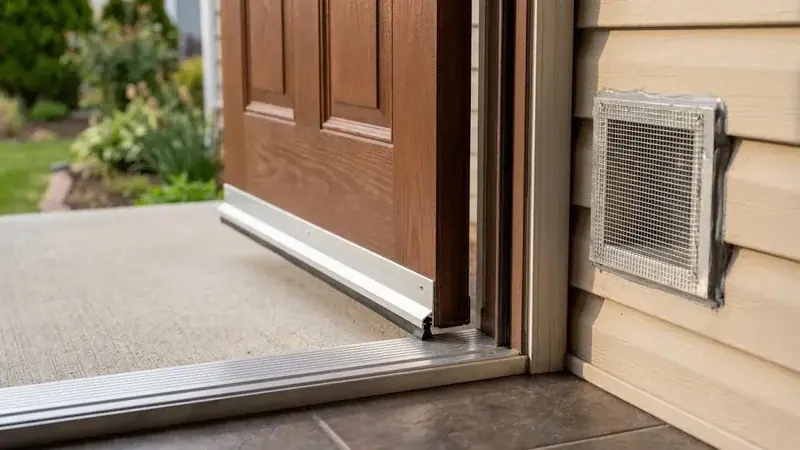
Door sweeps close the gap under exterior doors. Vents and crawl-space openings receive metal screening. Doors, windows, and screens should fit tightly, and edges that get gnawed can be covered with metal.
Close Roofline and Attic Entries
Mice are excellent climbers and can run up any rough vertical surface. Eaves, soffit gaps, and roof-to-wall junctions are checked and sealed, and branches or vines that give mice a bridge to the roof are flagged.
Verify the Seal Holds
After sealing, the technician watches for new activity. Fresh droppings near a sealed point mean the mice found another route or a gap was missed, and that spot gets rechecked.
Mouse Pressure Across California’s Regions
California covers deserts, valleys, coast, and mountains, and rodent pressure changes with each. The principles stay the same everywhere: remove food and shelter, trap, and seal. The details below help explain what technicians watch for in your area.
Coastal Cities: Los Angeles, San Diego, and the Bay Area
Mild weather keeps rodents active through the year. Older homes with gaps at rooflines, vents, and pipe penetrations give mice many ways in. In some coastal neighborhoods roof rats live in landscaping and climb to attics, so the first inspection also checks which species is present. See our local pages for Los Angeles, San Diego, and San Francisco.
Central Valley: Fresno, Bakersfield, and Stockton
Farm fields, irrigation canals, and open lots sit close to many neighborhoods. When fields are harvested or disturbed, rodents look for new shelter, and homes at the edge of town take the pressure. Perimeter sealing matters most here. Our Fresno rodent page covers local service.
Foothills and Mountains
Cabins and foothill homes often face deer mice and other native rodents in addition to house mice. Deer mice can carry hantavirus, so careful wet cleanup of any nesting material is especially important in these areas.
Inland and Desert Communities
Extreme heat and cold both push rodents toward structures. Garages, crawl spaces, and attics offer stable temperatures, and sheds and stored boxes make easy nesting sites.
Mouse Removal Methods Compared: What Works and What Does Not
Many homeowners try a mix of products before they call for help. The table below compares common methods using UC IPM house mouse guidance. The right plan usually combines trapping with exclusion and sanitation.
| Method | Where It Works Best | Watch Out For |
|---|---|---|
| Snap traps | Homes and garages with a small to moderate number of mice, placed along walls and in dark corners | Needs enough traps and regular checks. Keep traps away from children and pets. |
| Multiple-capture live traps | Catching several mice without resetting | Mice must be removed often and humanely euthanized. Relocating them off the property is illegal in California without a permit. |
| Electronic traps | Properties that want a sealed, battery-powered kill trap | Higher cost, and traps need frequent checking and cleaning. |
| Glue boards | Narrow runways along walls where no pets or wildlife can reach | Adults often avoid them, and trapped mice do not always die quickly. |
| Rodenticide bait stations | Larger infestations, used by trained applicators | California limits residential options to ready-to-use bait stations. Mice can die inside walls, which creates odor. |
| Exclusion (sealing) | Every property, every time | Must use materials mice cannot chew. Plastic, foam, and wood are ineffective. |
| Ultrasonic and magnetic repellers | Not recommended | UC IPM reports little evidence that they drive out established mice. |
Sanitation helps, but it rarely solves the problem alone. UC IPM says good housekeeping seldom completely controls house mice, while poor housekeeping lets them thrive in greater numbers. That is why technicians combine trapping, sealing, and cleanup in one plan.
Humane Options in Practice
Many households ask for humane methods. In California, relocating live house mice away from the property where they were captured is not allowed without a special permit from the Department of Fish and Wildlife. Live traps still end with humane euthanasia of captured mice. The most humane long-term step is exclusion, because sealing the home reduces the need for repeated control.
After Removal: Cleanup, Follow-Up, and What Affects the Price
Removing live mice is only part of the job. Droppings, urine, and nesting material remain behind, and so do odors and damaged insulation. This section explains what usually happens next.
Cleanup and Sanitation
Technicians remove nesting material and droppings using wet methods, in line with the CDC’s approach. Contaminated insulation may need to be bagged and replaced. For larger jobs, our rodent cleanup and decontamination service covers attics, crawl spaces, and heavily affected rooms, and our mouse cleanup guide explains the process.
Dead Mice in Walls
If poison was used, or a mouse died in a hard-to-reach void, odor can last for weeks. A technician can locate the source and remove it. See our page on dead rodent removal in California for details.
Attic Work
Attics hold insulation, ducts, and wiring, which makes them a favorite mouse location and a hard place to clean. Our California attic rodent solutions page explains the process.
What Affects the Price
The price depends on the job, so we explain the plan and give you a written price before work begins. The main factors are:
- How severe the infestation is and how many mice are present
- The size and layout of the property and how easy the attic or crawl space is to reach
- The number and type of entry points that need sealing
- How much cleanup and insulation replacement is needed
- The number of follow-up visits needed to confirm activity has stopped
Health Risks and Safe Cleanup of Mouse Droppings and Nests
The CDC explains that rodent-borne diseases mainly spread when people breathe in contaminated air. Droppings, urine, and nesting material can send tiny particles into the air when they are swept or vacuumed. See the full CDC guidance on cleaning up after rodents for every step.
Diseases Linked to Mice
- Lymphocytic choriomeningitis (LCM): A viral disease linked to exposure to fresh urine, droppings, saliva, or nesting material from infected house mice.
- Salmonellosis and leptospirosis: Bacterial illnesses that mice can spread through contaminated food and surfaces.
- Hantavirus: Carried by deer mice rather than house mice, but relevant in foothill and mountain areas where deer mice enter cabins and sheds.
Safe Cleanup Steps
Open doors and windows for about 30 minutes and leave the area while it airs out. Put on rubber or plastic gloves. Spray urine, droppings, and nests with a bleach solution (1.5 cups of bleach in 1 gallon of water) or an EPA-registered disinfectant until very wet, and let it soak for 5 minutes or as the label directs. Wipe up with paper towels, double-bag the waste, and place it in a covered garbage can. Mop hard surfaces with disinfectant, wash gloved hands, then wash your hands with soap and warm water.
When to Seek Medical Advice
If you develop illness after exposure to rodents, tell a healthcare provider about the exposure. Contact your local health department with questions about your situation. Heavy infestations call for extra protective equipment, which is why professional cleanup is worth considering for large jobs.
DIY Mouse Control vs. Professional Removal
A few mice in one room can sometimes be handled with snap traps and careful sealing. Larger or repeating problems need professional inspection. This guide helps you decide.
When DIY Can Work
- You see signs of a few mice in one room.
- You can find and safely reach every entry point.
- Snap traps stop the activity within a few days.
- No one in the home has a health condition that raises cleanup risk.
When to Call a Professional
- Activity continues after a week or more of trapping.
- You hear mice in walls or the attic and cannot find the nest.
- You see chewed wiring, which can be a fire risk.
- There are heavy droppings, nests, or a dead-animal odor.
- The attic or crawl space is tight, steep, or unsafe to enter.
- You may have rats instead of mice.
What a Professional Inspection Adds
A trained technician sees what homeowners miss: small gaps at rooflines, utility lines, and garage seals; hidden runways inside walls; and signs that point to a different species. They also match the control method to your household, including children, pets, and allergies, and they give you a plan for sealing and cleanup.
Prevention Checklist: Keep Mice From Coming Back
Once the mice are gone, prevention protects the work. UC IPM recommends a mix of sealing, sanitation, and reducing shelter. Use this checklist each season.
Exterior
- Seal every gap larger than ¼ inch around pipes, cables, vents, and foundation edges.
- Install tight-fitting door sweeps on all exterior doors, including the garage.
- Cover vents and crawl-space openings with metal screening.
- Thin or remove plants that touch or climb the building, because mice are excellent climbers.
- Keep firewood, lumber, and debris away from the walls.
- Keep garbage and compost containers sealed.
Interior
- Store dry food, pet food, and birdseed in sealed containers.
- Feed pets only the amount they will eat at one feeding.
- Replace cardboard storage with plastic bins in garages and attics.
- Reduce clutter that offers nesting spots, especially in garages and closets.
- Fix leaks and clean behind appliances twice a year.
Seasonal Habits
Check your home in early autumn, when outdoor mice start moving inside as nights get colder. Check again in late winter. Walk the attic and garage each season and look for fresh droppings, shredded material, and new gnaw marks.
Common Mistakes When Getting Rid of Mice
1. Trapping Without Sealing
Trapping removes the mice you have, but open gaps let new ones in. Seal every entry point as part of the plan.
2. Sealing With Foam or Plastic
Mice chew through foam, plastic, rubber, and wood. Use hardware cloth, metal, or cement-based materials.
3. Setting Too Few Traps
A trap or two cannot control an active population. Use enough traps along travel routes to make the trapping period short and decisive.
4. Relying on Ultrasonic Devices
These devices have very limited use, and mice get used to repeated sounds. They do not drive out established mice.
5. Using Poison Without a Plan
Mice often die inside walls after eating bait, which creates odors and risks for children, pets, and wildlife. California limits residential rodenticides, so ask a professional first.
6. Sweeping Up Droppings
Dry sweeping or vacuuming sends contaminated particles into the air. Wet the area with disinfectant first and follow the CDC steps.
Frequently Asked Questions About Same-Day Mouse Removal in California
Same-day arrival is offered where scheduling allows, and it depends on your location, the time of your call, and technician availability. The first visit starts inspection, trapping, and sealing plans the same day. Mice are not usually gone within hours, because trapping and sealing take a few days to confirm.
Price depends on how severe the infestation is, the size and layout of the property, the number of entry points to seal, and how much cleanup is needed. PestPunt explains the plan and gives you a written price before work begins, so you can decide with the full picture.
Small infestations are often controlled within days to a couple of weeks, while larger ones take longer. Technicians keep monitoring until trap catches stop and no fresh droppings appear. Sealing entry points is what keeps mice from returning, so it is part of every plan.
Yes, when the method is chosen for your household. Technicians use snap traps, enclosed stations, and exclusion where possible, and they place devices out of reach. Tell the dispatcher about children, pets, and allergies, because all rodenticides are toxic and must be kept away from them.
No. In California it is illegal to relocate live house mice away from the property where they were captured without a special permit. Live traps still end with humane euthanasia. The most humane long-term step is sealing the home so mice cannot enter.
Mice return when entry points stay open or food and shelter remain available. Mice can squeeze through gaps about ¼ inch tall, so small cracks matter. Exclusion with metal, hardware cloth, and cement-based materials, plus a follow-up visit, stops most repeat problems.
It matters, because rats need larger traps and different sealing. Mouse droppings are about ¼ inch long, while rat droppings are about ½ inch. Large nests in attics, gnawing on thick materials, or signs near rooflines can point to roof rats, and the inspection confirms the species.
Usually not for trapping and sealing. If bait stations are part of your plan, follow the technician’s instructions and the product label. Heavy cleanup of droppings or insulation may need protective gear, so the technician will tell you when to stay out of an area.
Final Takeaways
Fast mouse removal works best when speed and thoroughness go together. Inspect the whole property, remove the mice with enough traps, seal every gap over ¼ inch with materials they cannot chew, and clean up using wet methods. Mice breed quickly, so a small problem can multiply within weeks, and relying on repellers, foam, or poison alone often leaves the underlying problem in place.
If you hear activity in the walls, find droppings, or see chewed wiring, call PestPunt at (888) 217-6759. Our field technicians travel directly to your property anywhere in California.
Mobile Rodent Control Services
Get the Mice Out Before They Settle In
Every day of delay lets mice nest, breed, and chew. Call (888) 217-6759 to describe what you see and hear, and dispatch will confirm the earliest arrival window for your address in California.