
Rat Proofing Services That Block Roof Rats and Norway Rats From Your Home
Rats climb, dig, and chew. A rat-proof home answers all three. PestPunt field representatives travel to your Los Angeles property, seal the roofline, vents, utility lines, and foundation against rats, and show you which trees, wires, and burrows give them a way in.
Rat Proofing Services — At a Glance
What it blocks: Roof rats that climb to attics and Norway rats that burrow beside foundations, drains, and block walls.
What it seals: Rooflines, eaves, vents, pipe and cable gaps, foundation cracks, burrows, doors, and garage seals.
What it adds: Advice on trees, wires, fruit, trash, and pet food that draw rats to the property.
Next step: Call (888) 217-6759. A field representative comes to you, so you never visit an office.
What Rat Proofing Services Include
Rat proofing is rodent exclusion built around the size, strength, and habits of rats. Rats are larger than mice, so the gaps they use are bigger. They are also stronger, so weak patches fail faster. And they climb, which means the roof matters as much as the foundation.
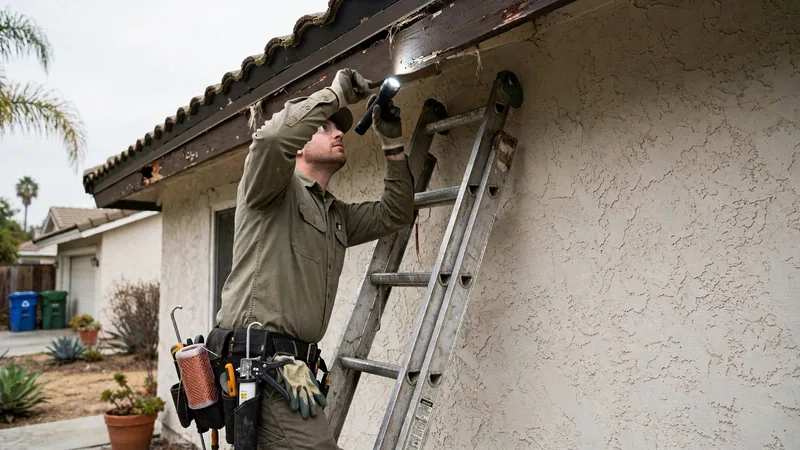
A rat proofing visit has three parts. First, a field representative inspects the building and yard for rat routes and entry points. Second, technicians seal the openings with metal, mortar, and heavy-gauge mesh. Third, the representative explains what you can change outside to cut food, shelter, and travel routes.
This page focuses on rats. If you want the broader process, start with our rodent exclusion services overview. For the sealing details, see rodent entry point repair.
Roof Rats and Norway Rats Need Different Proofing
| Trait | Roof rat | Norway rat |
|---|---|---|
| Movement | Climbs trees, wires, fences, and walls | Digs and stays near the ground |
| Typical nest | Attics, upper walls, palm fronds, dense vines | Burrows, crawl spaces, basements, under slabs |
| Droppings | About ½ inch, spindle-shaped, pointed ends | About ¾ inch, capsule-shaped, blunt ends |
| Entry points | Eaves, roof vents, fascia gaps, wire entries | Foundation cracks, drains, door gaps, burrows |
| Proofing focus | Roofline, vents, branch and wire bridges | Foundation, burrows, drains, ground-level doors |
Many Los Angeles properties host both species. Roof rats may use the attic while Norway rats use the crawl space or yard. A complete plan covers both levels. For help telling them apart, read our guides on the roof rat and Norway rat and roof rat droppings.
Why Los Angeles Properties Attract Rats
Palms, Citrus, and Dense Plants
Palm fronds, fruit trees, and thick ivy give roof rats food, shelter, and travel routes. Fallen fruit and unpicked citrus feed them through the year.
Canyons and Hillsides
Homes in Laurel Canyon (90046), Bel Air (90077), Pacific Palisades (90272), and Sunland-Tujunga (91040, 91042) sit beside brush and mature trees that link wild habitat to roofs.
Dense Urban Blocks
Downtown (90014), the Fashion District (90015), and Boyle Heights (90033) offer trash rooms, alleys, and drains that sustain Norway rats.
Mild weather matters too. Rats breed through much of the year when food and shelter stay available, so a small problem can grow in any season. For more on how fast rats multiply, read our guide to the rat breeding cycle.
Food drives rat behavior. Pet food left outside, open trash, bird feeders, and compost all draw them in. Our guide on what rats eat explains the common attractants.
How Rats Reach and Enter Your Building
Rats follow predictable routes. They prefer travel along edges, wires, branches, and pipes, and they test every opening they pass. According to guidance from the Internet Center for Wildlife Damage Management, roof rat proofing should focus on the roof and roofline, and all openings larger than ½ inch should be plugged with materials such as mortar, steel wool, or metal flashing.
Common Routes
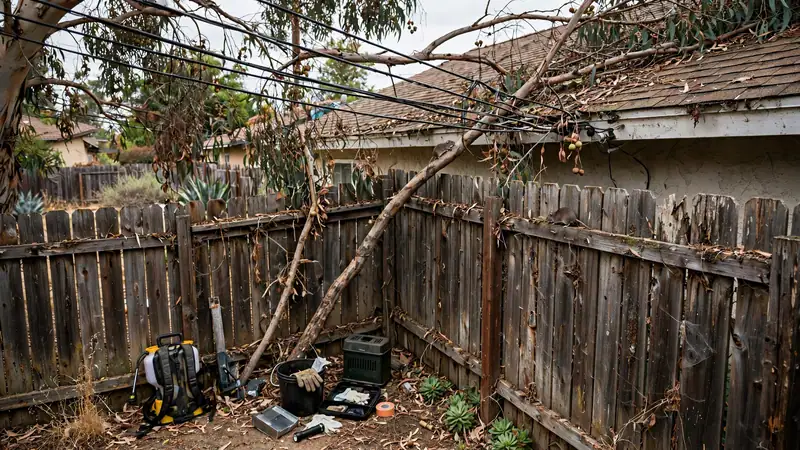
- Overhead wires and cables: Rats run along wires from poles and neighboring buildings to the roof.
- Branches and vines: Limbs that touch or hang near the roof form a bridge.
- Fences and block walls: Rats travel the top of the fence, then jump to a roof or eave.
- Pipes and downspouts: Rats climb pipes and conduits to reach vents and gaps.
- Ground gaps: Norway rats use burrows, cracks, and door slots at ground level.
How a Rat Proofing Visit Works
A rat proofing visit blends inspection, sealing, and advice. Here is the sequence a field representative follows on site.
Call and Describe the Activity
Call (888) 217-6759 and describe scratching, droppings, or sightings, plus the time of day.
Inspect the Roof and Yard
The representative checks the roofline, eaves, vents, trees, wires, fences, and ground-level burrows.
Confirm Species and Activity
The representative uses droppings, rub marks, and gnaw damage to judge whether roof rats, Norway rats, or both use the property.
Explain the Plan
You hear which gaps matter first, which materials will seal them, and which outdoor changes will help.
Trap and Seal
The team traps animals still inside, then seals the openings from the roofline down.
Verify and Follow Up
A final check confirms the repairs. The representative explains how to monitor and when to call back.
Protecting the Attic From Roof Rats
The attic is prime roof rat territory. It is warm, dark, and full of soft insulation. Rats nest there, chew wires, and contaminate insulation with droppings and urine.
Signs of Roof Rats Overhead
Listen for scratching, running, and thumping at night. Look for stained insulation, dark rub marks on rafters, and droppings along beams. Rats sound heavier than mice. If you are not sure whether the noise comes from a rat or a squirrel, our guide on scratching in the attic explains the differences.
What Proofing Does for the Attic
Rat proofing closes the roof entries first. Then trapping removes the animals already inside, and cleanup handles contaminated insulation. Our California attic rodent solutions page describes the full attic process, and our rodent cleanup and decontamination service covers insulation and droppings.
Blocking Norway Rats at Ground Level
Norway rats dig. They tunnel beside slabs, under sheds, and along block walls. Once they find a crack, they widen it.
- Burrows: Technicians fill active burrows and cap them with mortar or mesh. See how to destroy rat burrows in a yard.
- Foundation cracks: Technicians pack large gaps with hardware cloth, then fill with mortar.
- Drains and sewer lines: Broken or open lines let rats enter from below. Our guide to getting rid of sewer rats explains why plumbing may need repair first.
- Doors and garages: Worn sweeps and garage corners give rats easy entry.
A Six-Step Yard Walk to Reduce Rat Access
Proofing works best when the yard stops feeding rats. This walk takes about thirty minutes and costs almost nothing.
Trim the Bridges
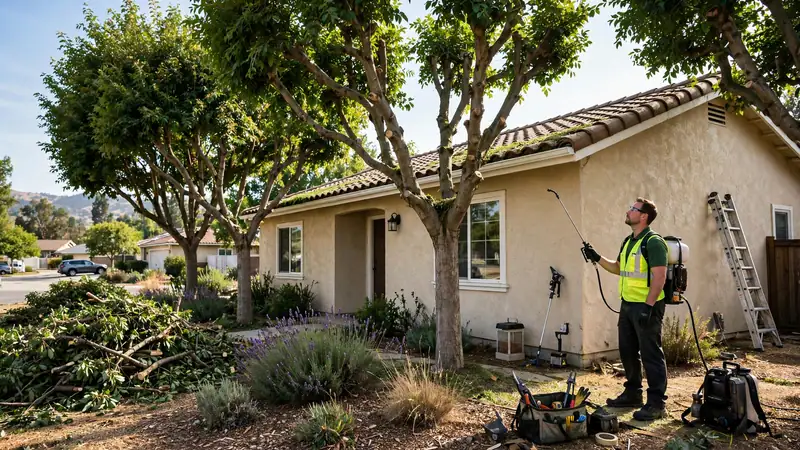
Cut branches and vines so they stay several feet away from the roof and walls.
Pick Up Fruit
Harvest citrus and clear fallen fruit weekly. Rats eat it, and it draws them in.
Secure Trash and Compost
Use bins with tight lids and keep compost in a rodent-resistant container.
Move Pet and Bird Food
Feed pets indoors or remove bowls at night. Clean up bird seed that falls to the ground.
Clear Clutter
Move wood piles, pallets, and storage away from walls and off the ground.
Look for Burrows
Check beside slabs, sheds, and fences for smooth, round holes. Photograph them for the representative.
Trapping, Poison Rules, and Why Proofing Comes First
Proofing keeps new rats out. Trapping removes the rats inside. The CDC summarizes the approach as seal up, trap up, and clean up.
California Limits Poison
California has prohibited most residential use of anticoagulant rodenticides since January 1, 2025. UC Agriculture and Natural Resources describes the earlier restrictions on second-generation products. For Los Angeles homeowners, that change makes sealing and trapping the core of rat control.
Why Dead Rats in Walls Matter
When a rat dies in an inaccessible space, odor and flies can follow. Careful trapping and sealing reduce that risk. If it already happened, see our dead rodent removal services. For active infestations that need removal, our professional rat removal services work alongside proofing.
Materials Built for Rat Strength
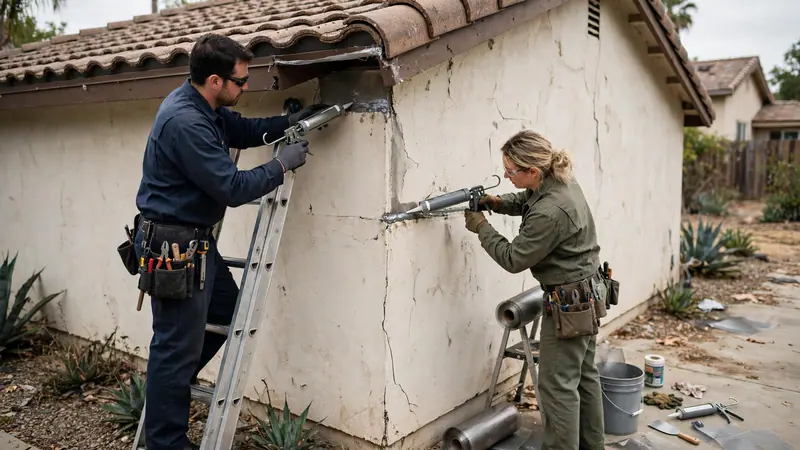
Rats bite harder and push harder than mice, so technicians choose heavier materials. Light screening that stops a mouse may fail against a rat.
| Opening | Material | Note |
|---|---|---|
| Roof and attic vents | Heavy-gauge galvanized hardware cloth | Fasten with screws and washers, not staples |
| Eave and fascia gaps | Metal flashing or cut-to-fit screen | Covers wood that rats can enlarge |
| Large wall or foundation holes | Hardware cloth backing, then mortar | Mortar alone can crack without backing |
| Pipe and cable entries | Copper mesh or steel wool with sealant | Fill the whole gap, not only the surface |
| Drain and chimney openings | Rodent-resistant caps or screens | Keeps airflow and blocks climbing rats |
Technicians pick the material that fits the opening and the conditions. They avoid soft plastic, foam alone, and wood patches, because rats chew them. For a wider view of materials and methods, read our rodent entry point repair guide.
Rat Proofing for Homes, Apartments, and Businesses
Homes and Condos
- Roofline, attic, and crawl space sealing
- Tree and wire bridge advice
- Garage and shed protection
- Yard and burrow checks
Apartments, Restaurants, and Warehouses
- Trash room, dumpster, and alley review
- Roof access and rooftop equipment sealing
- Loading dock and roll-up door gaps
- Coordination across shared walls and units
Shared buildings need extra coordination. A gap in one unit can feed rats into another, and a trash area can supply the whole block. Describe your building when you call, so the representative can plan for shared spaces and access.
Why Rats Come Back and How Proofing Stops It
Rats return to places that worked for them. They remember routes and nest sites, and they follow scent trails. If an entry point stays open, the next rat finds it. Our guide on whether rats return to the same nest explains this habit in detail.
Proofing breaks the cycle. When technicians seal the openings and you cut food and shelter, the property stops rewarding rats. Rats then move elsewhere. Some neighbors may still see activity, so share what you learned. Rat control works best when a whole block acts together.
Set a reminder to inspect the roofline each spring and autumn. Fresh droppings, new gnaw marks, or a loose vent screen mean it is time to act. Early action costs less effort than a full infestation, and it protects your insulation, wiring, and stored belongings.
Los Angeles Neighborhoods and ZIP Codes We Serve
PestPunt dispatches field representatives across Los Angeles. The list below shows common areas. Call anyway if yours is missing.
- Hills and canyons: Laurel Canyon (90046), Beachwood Canyon (90068), Bel Air (90077), Pacific Palisades (90272), Mount Washington (90065).
- Central and Eastside: Downtown (90014), the Fashion District (90015), Boyle Heights (90033), Echo Park (90026), Highland Park (90042).
- Westside and Mid-City: Brentwood (90049), Westwood (90024), Mar Vista (90066), Mid-Wilshire (90036), West Adams (90016).
- San Fernando Valley: Sherman Oaks (91423), Studio City (91604), Encino (91436), Reseda (91335), Sunland (91040), Tujunga (91042).
- Harbor Area: San Pedro (90731), Wilmington (90744).
See our locations page or the rapid rodent control page for Los Angeles for more coverage details.
What You Can Do and When to Call a Professional
What You Can Do
- Trim branches and pick up fruit.
- Secure trash, compost, and pet food.
- Seal small, low gaps with metal and caulk.
- Photograph droppings, burrows, and damage.
When to Call a Professional
- You hear rats in the attic or walls.
- You see gaps at the roofline or eaves.
- Droppings or damage keep appearing.
- You need to trap and seal in the right order.
How to Choose a Rat Proofing Provider
Rat proofing takes skill, because rats test every weak point. Ask these questions before you hire.
- Will you inspect the roofline, not just the ground level?
- Which materials will you use, and how will you fasten them?
- How will you trap rats that are already inside?
- How will you handle contaminated insulation or droppings?
- What will you check at the follow-up?
A provider who answers plainly and names materials usually knows the work. Learn more about our approach on our about page.
Six Rat Proofing Mistakes to Avoid
1. Sealing Only the Ground
Roof rats enter high. Check the roofline, eaves, and wires first.
2. Using Mouse-Sized Fixes
Rats chew harder and push harder. Use heavy-gauge mesh, metal, and mortar.
3. Leaving Trees Alone
A branch near the roof beats a sealed gap. Trim trees back.
4. Feeding Rats by Accident
Fruit, pet food, and open trash keep them nearby. Remove the food.
5. Sealing With Rats Inside
Trapped rats chew new holes or die in the walls. Trap first.
6. Ignoring the Neighbors
Rats cross property lines. Share what you learn and watch for new signs.
Frequently Asked Questions About Rat Proofing Services
Rat proofing services seal the openings that rats use to enter a building. Technicians close roofline and eave gaps, screen vents, seal utility lines, fill burrows, and advise on trees, wires, and food sources that draw rats to the property.
A rat can pass through an opening of about ½ inch, roughly the size of a quarter. Public health and wildlife guidance recommends sealing openings larger than that with durable materials such as mortar, metal flashing, and hardware cloth.
Roof rats climb, so proofing focuses on rooflines, vents, wires, and branches. Norway rats dig, so proofing focuses on foundations, burrows, drains, and ground-level doors. Many properties need both.
No. Proofing blocks entry. Trapping removes rats that are already inside, and cleanup handles droppings and insulation. A good plan combines all three and confirms the building is clear before the final seal.
California has prohibited most residential use of anticoagulant rodenticides since January 2025. Poison can also cause rats to die inside walls. Sealing and trapping give safer, more reliable control for most homes.
Yes, in most cases. Branches near the roof give roof rats a bridge to the attic. Trimming branches away from the roof, along with sealing gaps, cuts the route at both ends.
Metal, mesh, and mortar repairs can last for years, but buildings shift and screens loosen. Walk the exterior twice a year and after storms, and fix new gaps early.
Call (888) 217-6759 at any hour. Share your address, the signs you noticed, and the building type. PestPunt is a mobile service area business, so a field representative comes to your property.
Final Takeaways
Rat proofing works when it matches the rat. Seal the roofline and cut tree and wire bridges for roof rats. Fill burrows and fix foundation gaps for Norway rats. Trap what is inside, clean up contamination, and keep food and trash secured. If mice are also a concern, see mouse proofing services for the smaller gaps.
If you hear noises overhead, find droppings, or spot burrows, call PestPunt at (888) 217-6759. Our field representatives travel directly to your property anywhere in California.
Mobile Rodent Control Services
Make Your Property Hard for Rats to Reach
Call (888) 217-6759 to schedule on-site rat proofing for your Los Angeles home or business.