Peppermint Oil for Mice: Does It Really Work, and What Should You Do Instead?
Peppermint oil smells strong, costs little, and feels safer than poison, so many California homeowners try it first. The evidence for a lasting effect is thin. This guide explains what experts report, where peppermint oil may help for a few hours, the safety risks, and what actually removes mice.
Does Peppermint Oil Repel Mice? — At a Glance
Short answer: At best, a brief and unreliable deterrent. It does not remove mice that already nest in your home.
What experts say: An extension expert found no detailed research and noted any deterrent effect lasts about two hours.
Safety: Essential oils can irritate people and harm pets, and they can ignite near heat. Read labels and ask a veterinarian.
What works: Close gaps larger than a quarter inch, store food securely, set snap traps, and monitor.
Why So Many Homeowners Try Peppermint Oil First
Peppermint oil has a loud, clean smell, and mice depend on scent to find food and move through their territory. That combination makes the idea feel logical. Websites, videos, and neighbors all repeat the same advice: soak cotton balls in peppermint oil, tuck them into corners, and the mice will leave.
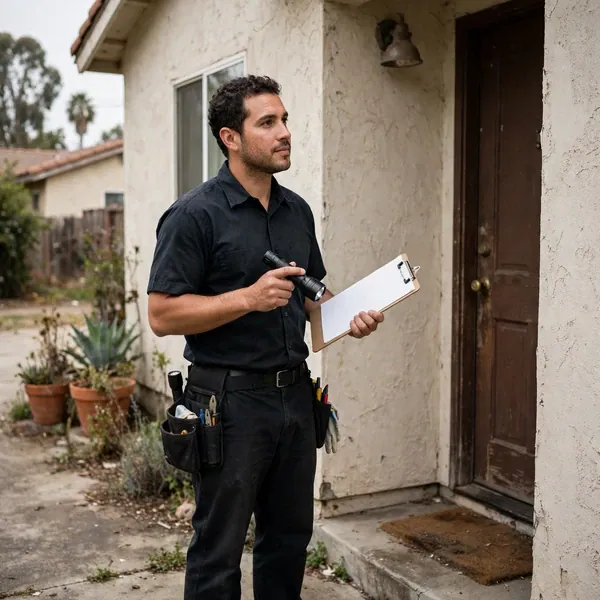
The method also appeals for practical reasons. You can buy the oil at any store, you avoid touching traps, and you avoid poison near pets and children. Our field representatives hear the same story again and again: a homeowner notices droppings, tries peppermint oil for a week or two, and then calls us because the scratching continues.
What We See in the Field
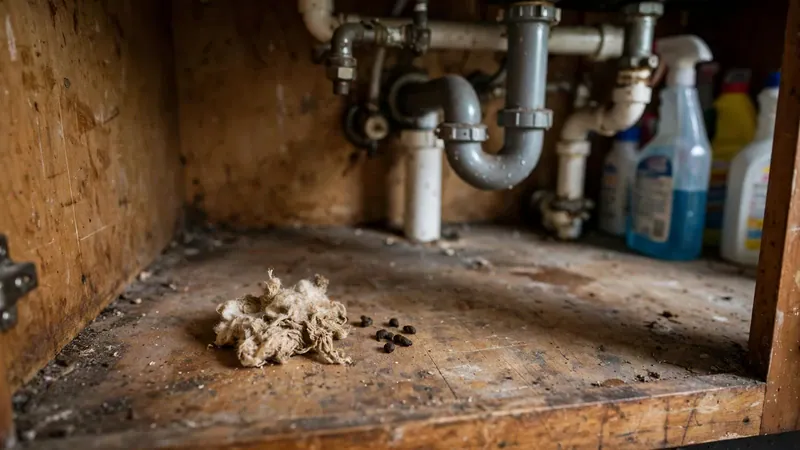
When we inspect a home after a peppermint oil attempt, we often find dried-out cotton balls near fresh droppings. That pattern does not prove the oil never bothers a mouse. It does suggest that the scent did not change the conditions that matter: food, shelter, and an open way inside. If you recognize your own home in that picture, you are not alone, and the rest of this guide can help.
What Research and Extension Experts Say About Peppermint Oil for Mice
Start with what UC IPM says about repellents in general. In its UC IPM Pest Notes on rats, the authors report that rats have an initial aversion to some odors and tastes, but no repellents have been found to solve a rat problem for more than a very short time. They also state that no truly effective rat repellents are registered for use in California. That page focuses on rats, and it does not test peppermint oil by name, but it sets a cautious baseline for scent-based products.
For mice and peppermint oil specifically, an Ask Extension answer from 2014 from a university extension expert offers a similarly careful view. The expert wrote that detailed research on peppermint essential oil as a mouse deterrent does not exist, and that any general deterrent effect appeared to last only about two hours. Treat that as a single expert response, not a controlled study, but note that it points in the same direction as UC IPM.
How Strong Is the Evidence?
- Short-term avoidance: Some reports and product claims describe mice avoiding strong scents. We could not find a strong, independent field study in homes that shows peppermint oil clears an infestation.
- Long-term control: UC IPM states that repellents have not solved a rat problem for more than a very short time.
- Product claims: Treat percentages and success rates on blogs and product pages with caution unless they cite a named, independent study you can read.
That last point matters. Many web pages quote confident statistics about peppermint oil and cite studies without linking to them. We left those numbers out of this guide because we could not verify them.
Why Peppermint Oil Rarely Stops a Mouse Problem
Even if peppermint oil bothers a mouse for a moment, several practical limits keep it from solving the problem.
The Scent Fades
Essential oils evaporate. A cotton ball that smells strong on day one smells faint within a day or two, especially in a warm attic or a drafty garage. You would need to refresh every placement often, and you would still leave long gaps between applications.
Mice Need Only a Short Detour
Mice live in small territories and follow walls, pipes, and wires. A scented spot in one corner does not block the wall void behind it. If a mouse finds food and warmth elsewhere in the building, a strong smell in one place does not force it out.
The Reasons to Stay Remain
Rodents choose a nest site for warmth, cover, and a short walk to food. Peppermint oil changes none of those. Pet food in a bag, crumbs behind the toaster, and a gap behind the dishwasher still make your home a good choice.
Open Gaps Stay Open
A house mouse can squeeze through a gap of about a quarter inch. UC IPM recommends sealing any opening larger than that, and it calls exclusion the most successful and longest-lasting strategy around structures. A scent does not seal anything.
Mice Reproduce Fast
Time works against you. Our guide on mouse reproduction and population growth explains why a small group can grow quickly. Spending weeks on a remedy that may not work gives them time to multiply. If you wonder whether you see one mouse or many, read one mouse versus an infestation.
Safety Risks of Using Peppermint Oil Around Your Home
Natural does not always mean harmless. Peppermint oil is a concentrated essential oil, and it deserves care.
Pets
Essential oils can irritate or poison pets, and cats are often described as especially sensitive. Dogs may also lick or inhale the oil. If you share your home with pets, ask a veterinarian before you place any essential oil within their reach, and never apply oil to a pet's fur to test a theory.
Children, Skin, and Breathing
Concentrated oil can irritate skin, eyes, and airways. People with asthma or strong scent sensitivities may react to fumes in a closed room. Keep bottles and oil-soaked items away from children, and avoid heavy use in bedrooms or small closed spaces.
Fire and Heat
Do not place oil-soaked cotton near a hot engine, a furnace, a water heater, a space heater, or any open flame. If you are protecting a vehicle, our companion guide on rodent damage to car engines and wiring explains why home remedies under the hood create risks.
Food Areas and Droppings
Keep oil away from food, dishes, and prep surfaces. Also, do not use oil to mask rodent odors or to cover droppings. Wet-clean droppings with gloves and a fitted respirator instead, as described in our droppings cleanup safety guide.
Peppermint Oil Compared With Other Home Remedies
Peppermint oil is only one of many home remedies. The table compares the most common ones with the physical methods that UC IPM recommends.
| Remedy | What people hope for | What to know | Our view |
|---|---|---|---|
| Peppermint oil | Scent drives mice away | No strong evidence of lasting control; scent fades; pet and fire risks | Optional short-term extra |
| Ultrasonic devices | Sound drives mice away | UC IPM calls frightening devices ineffective for rats; see our evidence review | Not a foundation |
| Mothballs | Fumes drive mice away | Labels limit their use, and the fumes can harm children and pets | Avoid |
| Ammonia | Smell mimics predators | Strong irritant; dangerous if mixed with bleach | Avoid |
| Steel wool and sealant | Blocks gaps | UC IPM lists steel wool, wire screen, and sheet metal for gaps larger than a quarter inch | Use for small gaps |
| Hardware cloth and sheet metal | Blocks larger openings | UC IPM recommends galvanized mesh for vents, not lightweight chicken wire | Use for vents and larger openings |
| Snap traps | Remove mice | UC IPM calls snap traps safe, effective, and economical for rodents when placed well | Core method |
Methods that physically block or remove mice sit at the bottom of the table, and methods that try to change mouse behavior sit near the top. Our experience matches that order.
How to Try Peppermint Oil Safely and Honestly
If you still want to try peppermint oil, treat it as a short experiment and protect your family while you do. These six steps keep the trial safe and the results honest.
Check Pets and Family First
Ask your veterinarian about essential oils if you have pets, and skip the trial if anyone at home has asthma or a strong scent sensitivity.
Count the Evidence Before You Start
Photograph droppings and record where you hear noise. Wear gloves and wet-clean the droppings afterward so you can spot fresh ones.
Seal and Store Food Anyway
Close visible gaps and put pet food, grains, and snacks in sealed containers. Without this step, you cannot tell whether the oil did anything.
Place the Oil Out of Reach
Use small amounts in spots that children and pets cannot reach, away from heat, food, and open flame. Follow any product label.
Keep Snap Traps Running
Place snap traps along walls where droppings appear. Traps tell you whether mice remain, and they protect your home while you test.
Judge by Droppings and Trap Catches
Compare fresh droppings and trap catches each week. If activity continues, stop the trial and book an inspection.
What Actually Removes Mice From a California Home
UC IPM describes successful control as sanitation, exclusion, and population control. Here is how that looks in a real house.
Confirm It Is Mice
Small, pointed droppings and fine gnaw marks point to mice, while larger droppings point to rats. Read our guide on Norway rats versus house mice if you are unsure.
Find Where They Enter
Check pipe penetrations, garage door corners, vents, and gaps behind appliances. Our entry point guide shows where to look.
Seal With Materials Mice Cannot Chew
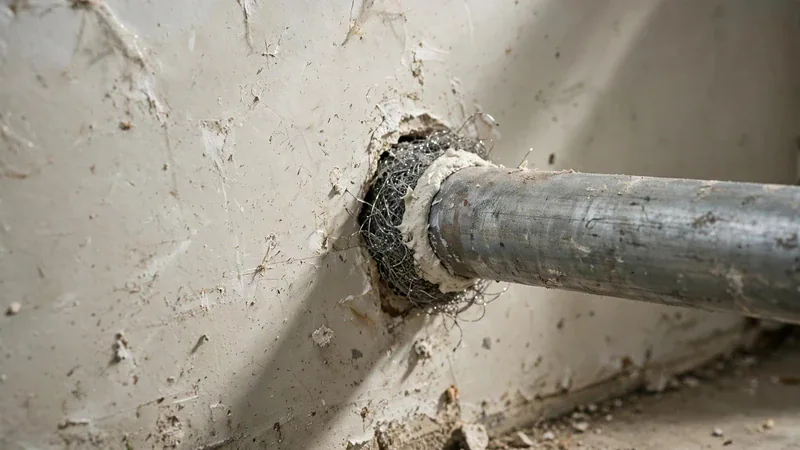
Use steel wool packed into small gaps, sheet metal or hardware cloth over larger ones, and quality door sweeps. Learn more about mouse proofing.
Remove Food and Clutter
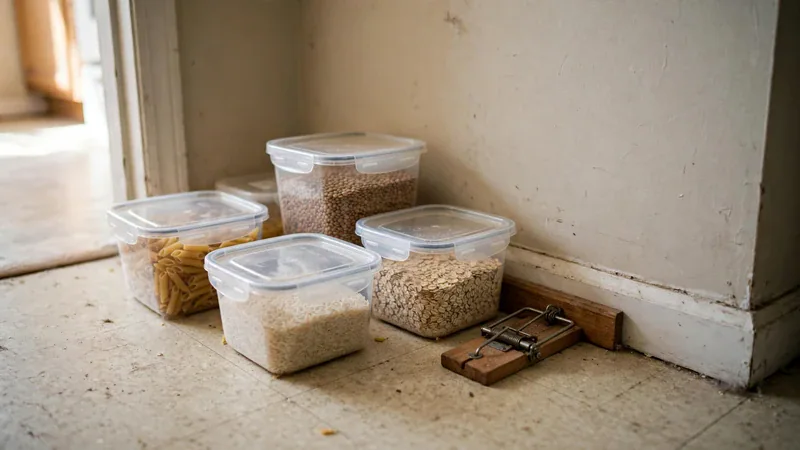
Store food in sealed containers, clean crumbs and spills, and lift boxes off the floor. See what attracts mice into a home.
Trap Where Mice Travel
Set snap traps in pairs along walls with the trigger toward the wall. UC IPM advises using enough traps to keep the trapping period short.
Clean Up and Monitor
Wet-clean droppings and nesting material with protection, then recheck traps and sealed gaps each week. A fresh dropping tells you a route remains.
Where California Homeowners Try Natural Remedies
Mice live in every California community, and homeowners in every region try home remedies first. The setting changes how a problem looks, so we share a few examples. We serve all of California and mention these neighborhoods only to help you picture your own home.
Bungalows and Older Apartments
In Echo Park in Los Angeles (ZIP 90026), older bungalows and small apartment buildings often have gaps around old pipes and wall heaters, plus compact kitchens where food sits close to walls. Our Los Angeles 24/7 rodent control page describes service in the area.
Row Houses and Condos
In Noe Valley in San Francisco (ZIP 94114), connected buildings and shared walls let mice travel between units, so one household's remedy rarely protects the whole building. See our San Francisco rodent pest control page.
Garden Homes and Midtown Streets
In Hillcrest in San Diego (ZIP 92103) and Midtown Sacramento (ZIP 95816), older homes, detached garages, and backyard storage give mice many places to nest. Visit our San Diego emergency rodent removal page, our Sacramento page, and the full locations list.
Handle It Yourself or Call a Professional?
You can do a lot yourself when the problem is small. Use the comparison below to decide whether your situation fits.
When DIY Control Can Work
- You see a few droppings in one area and no noise in walls.
- You can find and seal the entry gap safely.
- You are comfortable setting snap traps and wet-cleaning droppings.
- Activity drops after a week or two of sealing and trapping.
When to Call a Professional
- Scratching continues after you tried remedies and traps.
- You see droppings in several rooms or in the attic.
- You cannot find the entry points.
- You suspect rats instead of mice.
- You see chewed wires, which can create a fire risk.
- Anyone at home has asthma, a weakened immune system, or pregnancy.
Our same-day mouse removal page and our cleanup and decontamination page describe what our representatives do after a remedy fails. If you suspect deer mice, read deer mice dangers and health risks before you clean anything.
Many people who try traps at home run into new problems. We cover that next in why DIY rat traps often fail long-term.
Prevention Checklist for Mouse-Proofing Your Home
Prevention beats any scent. Work through this list, then repeat it each season.
Kitchen and Pantry
- Store grains, cereal, snacks, and pet food in sealed glass, metal, or thick plastic containers.
- Wipe crumbs and spills each night and sweep under appliances.
- Empty trash regularly and use lids that close tightly.
Walls, Floors, and Foundations
- Seal gaps larger than a quarter inch around pipes, wires, and vents.
- Fit door sweeps and check garage door corners.
- Cover vents with heavy-gauge mesh.
Garage, Attic, and Yard
- Lift stored boxes off the floor and away from walls.
- Pick up fallen fruit and nuts and keep bird seed in sealed containers.
- Trim plants and branches away from walls and the roof.
Our guide to the early signs of rodent infestation and our article on where mice hide during the day help you spot trouble early.
Six Mistakes People Make With Peppermint Oil and Home Remedies
Using It Instead of Sealing
A scent never closes a gap. Seal first and treat the oil as optional.
Soaking Cotton Near Heat
Keep oil away from engines, heaters, and flames. Fire is a real risk.
Ignoring Pets
Essential oils can harm cats and dogs. Ask a veterinarian before you use them.
Skipping Traps
Scent does not remove mice. Snap traps tell you whether mice remain.
Trusting Unverified Statistics
Many web pages quote success rates without a link to a study. Look for named, independent sources.
Waiting Too Long
Mice reproduce quickly. Set a short trial and then book an inspection.
How to Choose a Provider When Home Remedies Fail
When you decide to call someone, ask direct questions.
- Will you inspect the whole home and identify whether mice or rats cause the problem?
- How will you handle entry points, not only traps?
- How will you protect pets, children, and wildlife?
- What cleanup advice will you give for droppings and nests?
- What should I do after your visit, and how will I know it worked?
A good provider explains the plan in plain language and ties each step to the cause. A warning sign is a plan that relies on scents, gadgets, or poison inside the home without inspection. PestPunt sends local field representatives to your property to inspect first. Read more on our about page and review our services.
How to Prepare for a Mouse Inspection
A few notes and photos help your representative find the source faster.
- Note where you hear noise, at what time, and for how long.
- List the remedies you tried and where you placed them.
- Photograph droppings, gnawing, and nests before you clean.
- Clear access to under-sink cabinets, the attic hatch, and the garage walls.
- Secure pets and remove any essential oil items from reach.
After the visit, we explain what we found and what we recommend. If you ever need to document damage for an insurer, read our guide on insurance coverage for rodent damage in California. To review the research on gadgets, see whether ultrasonic rodent repellers work.
Frequently Asked Questions About Peppermint Oil and Mice
It may make mice avoid a spot briefly, but strong evidence for lasting control is lacking. UC IPM reports that no repellent has solved a rat problem for more than a very short time, and an extension expert noted a deterrent effect of about two hours.
Not long. One extension expert reported a general deterrent effect of only about two hours, and the oil evaporates, so scent fades within days at most. Treat any benefit as short-lived and do not rely on it.
Not necessarily. Essential oils can irritate or poison pets, and cats are often described as especially sensitive. Ask a veterinarian before you use peppermint oil in a home with pets, and keep oil out of reach.
It is unlikely to clear an established infestation. Mice stay for food, warmth, and shelter, and open gaps let new mice in. Sealing entry points, removing food, and trapping address those causes.
Use small amounts in places children and pets cannot reach, away from heat, food, and open flame. Pair it with sealing and snap traps, and judge the results by droppings and trap catches.
UC IPM describes sanitation, exclusion, and population control. Seal gaps larger than a quarter inch with steel wool, wire screen, or sheet metal, store food securely, and set snap traps along walls where mice travel.
Fresh droppings, new gnawing, or noise in the walls after a week or two means mice remain. Photograph and record what you see, stop relying on the oil, and book an inspection to find the source.
Yes. PestPunt is a Service Area Business that dispatches local field representatives across California. Call (888) 217-6759 at any hour, and we will explain how we can reach your property.
Final Takeaways
Peppermint oil may bother mice for a short time, but lasting control needs more. UC IPM reports that repellents have not solved a rat problem for more than a very short time, and an extension expert noted a deterrent effect of only about two hours. The oil also carries pet, health, and fire risks. Seal gaps, remove food, and trap.
If remedies have not worked, call PestPunt at (888) 217-6759. We dispatch a field representative to your property anywhere in California.
Mobile Rodent Control Services
Move From Home Remedies to a Real Plan
A representative can find how mice enter, set traps where they travel, and explain how to seal and clean up. Call (888) 217-6759 for 24/7 dispatch anywhere in California.